Red Brick

IMG_5145sq

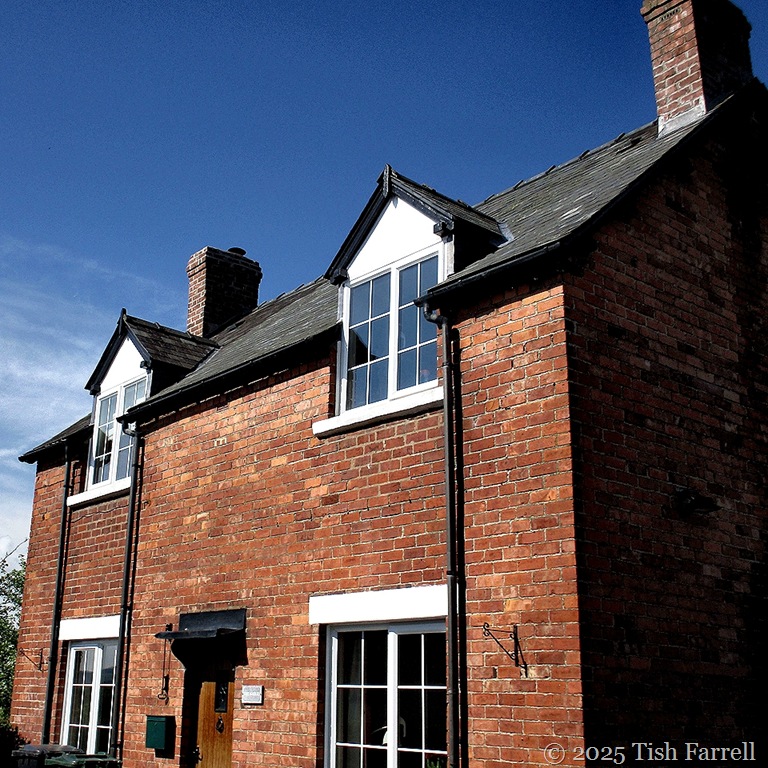
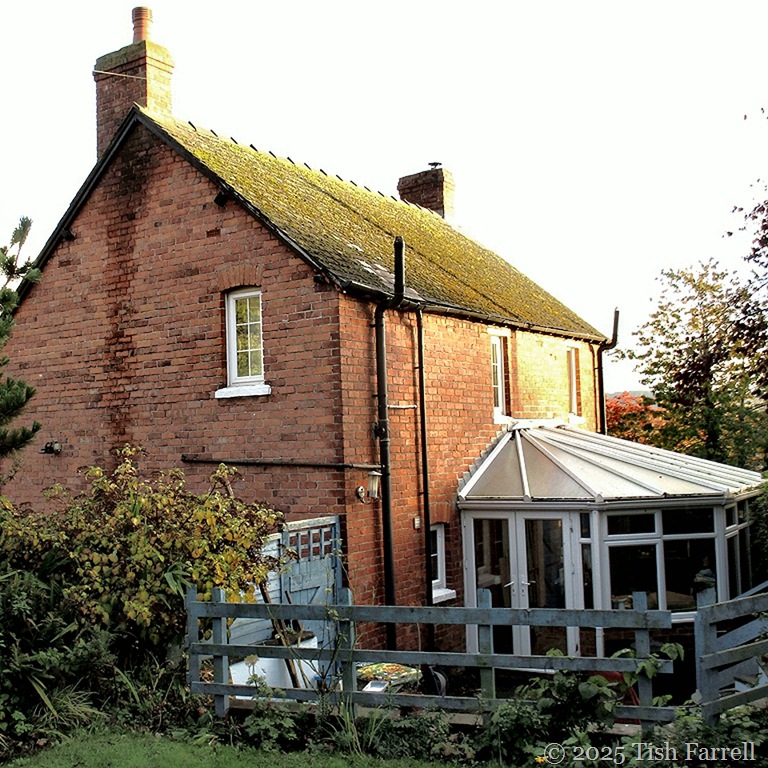
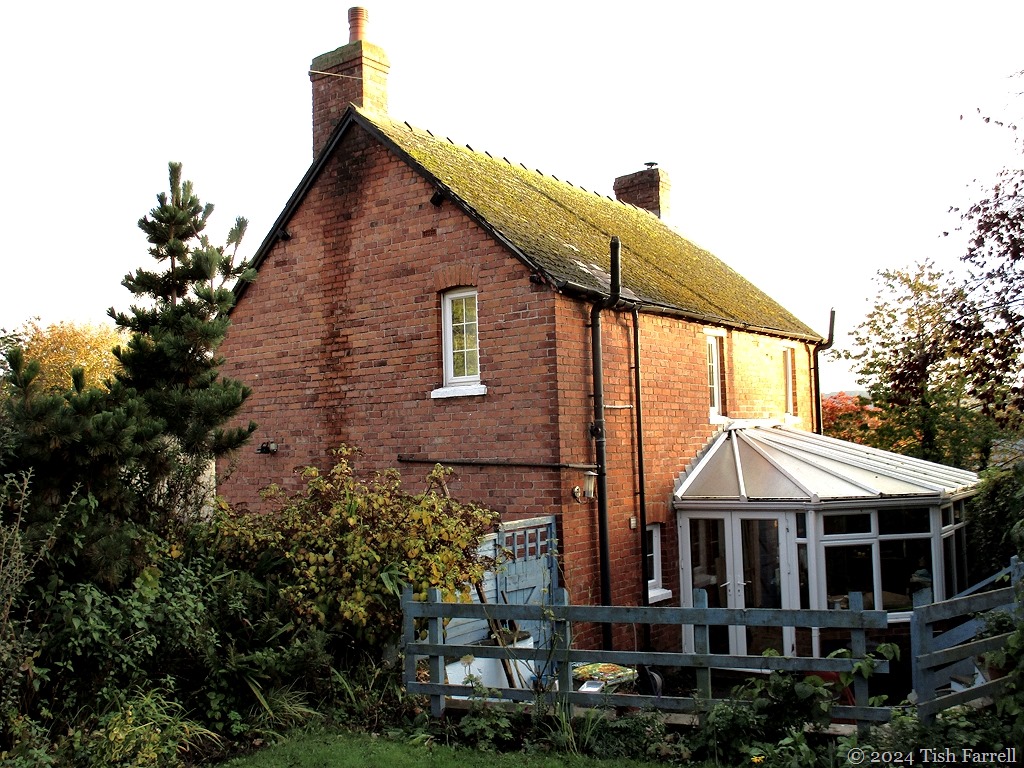
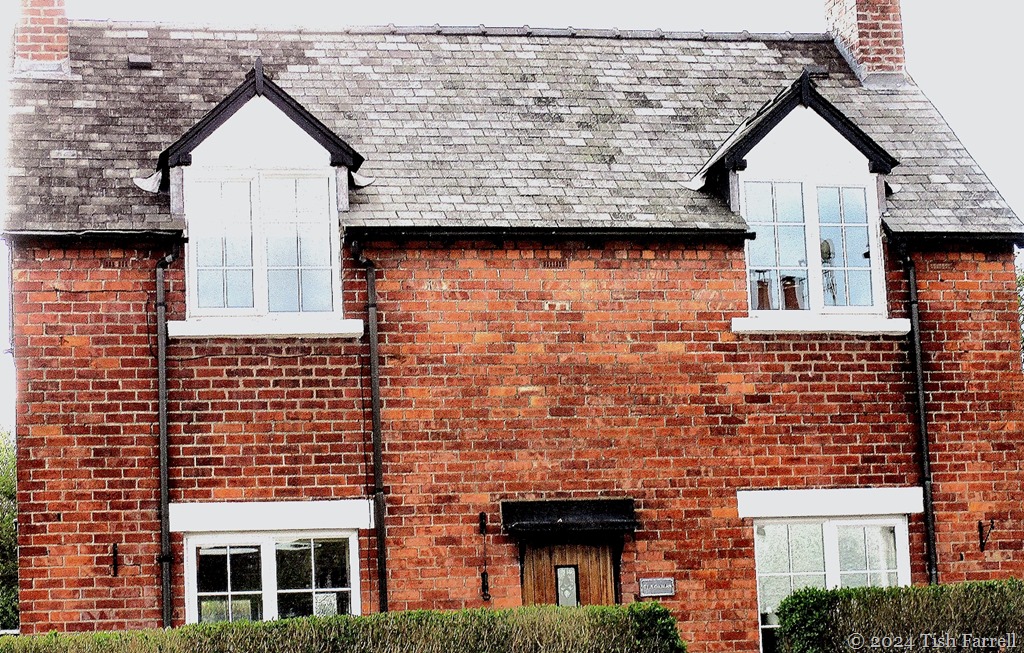
It’s very nearly two years since we moved into The Gables, a modest little house, built in the early 1920s by a local builder. It stands on ground that once belonged to the smithy and The Hit Or Miss pub further up the street.  (Both now family homes).

The move from Much Wenlock had been protracted: selling our cottage had taken time. Then there was six months in a rented house while we found somewhere to buy. It gave us chance to do some serious de-cluttering, but all the same we knew we would not fit comfortably into our new house without building a new kitchen. And so we bought it with that notion in mind.

We began, then, with something of the gamble. The Gables is in the Bishop’s Castle conservation area. Planning approval would be required, and our encounters with planning authorities in the past had not always gone well. We engaged local architectural designer, Henry Beddoes, to take care of the plans and the application. After all, it was scarcely an ambitious project replacing an old heat-leaking, plastic conservatory with a properly insulated room.

Even so, waiting for approval was still nerve-wracking. It took several months.

sq1

When it came to the actual plans, the site itself was anyway problematical. The south end of the conservatory was right on the boundary with a roadside verge, and most of the rest was nestled into the overgrown bank and hedge. There was not much room to manoeuvre, either outwards or upwards.

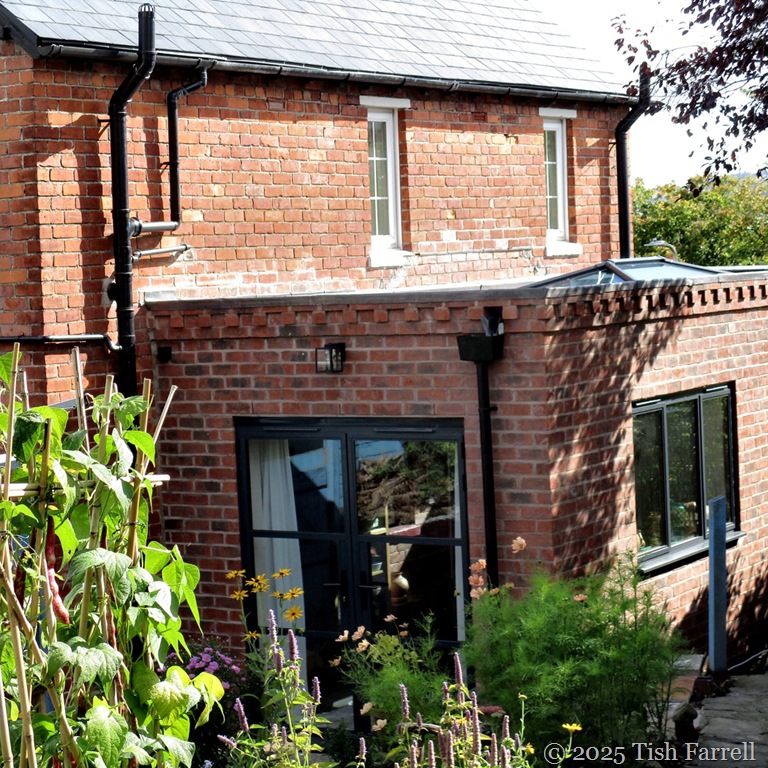
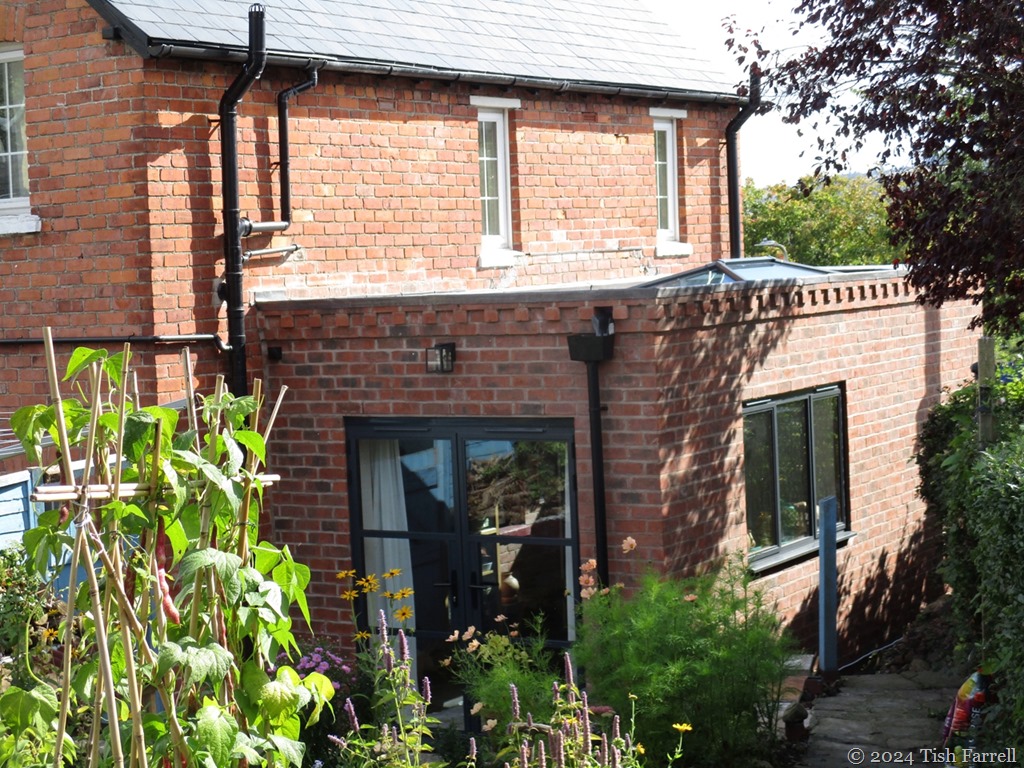
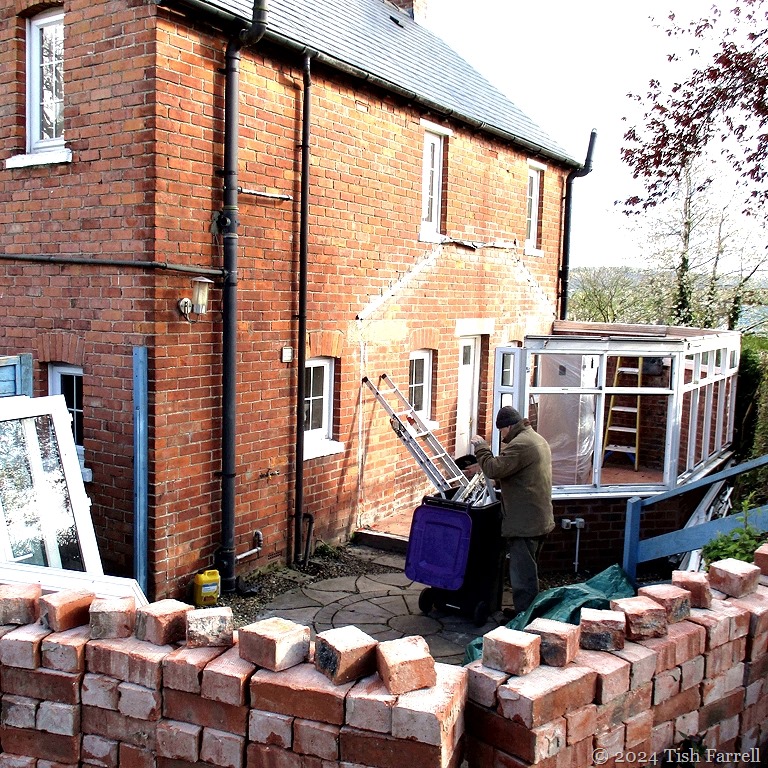
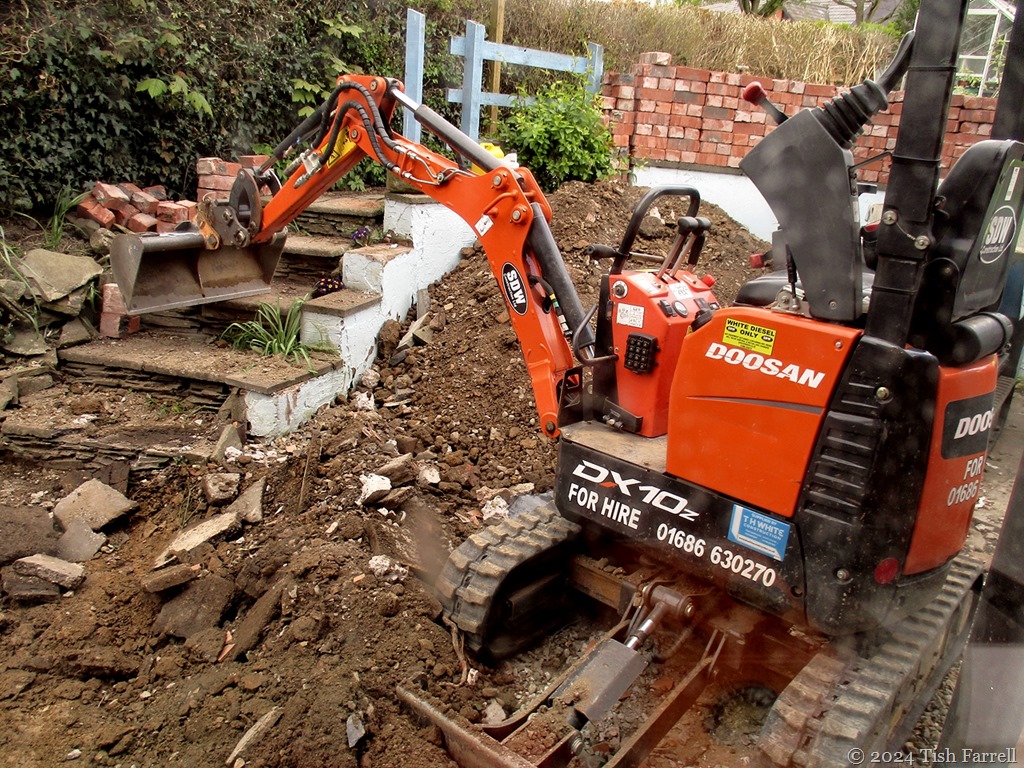
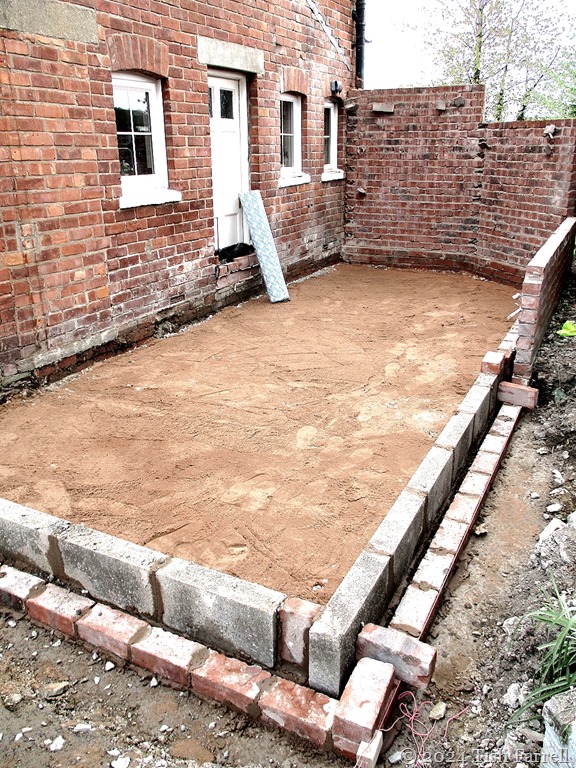
Flat roofs are never ideal, but a sloping roof that did not obscure the upstairs windows and had a good enough incline would have markedly reduced the height of the living space. (See previous post for internal restructuring.) And so instead we have a lantern skylight and some leaded nifty brickwork round the parapet. It seemed to us a reasonable compromise, not overburdening the existing house either in scale or fanciness. Builder Alan also cleaned and re-used all the conservatory bricks, and took pains to source new ones that were as near as possible to the 1920s fabric.

sq3

*

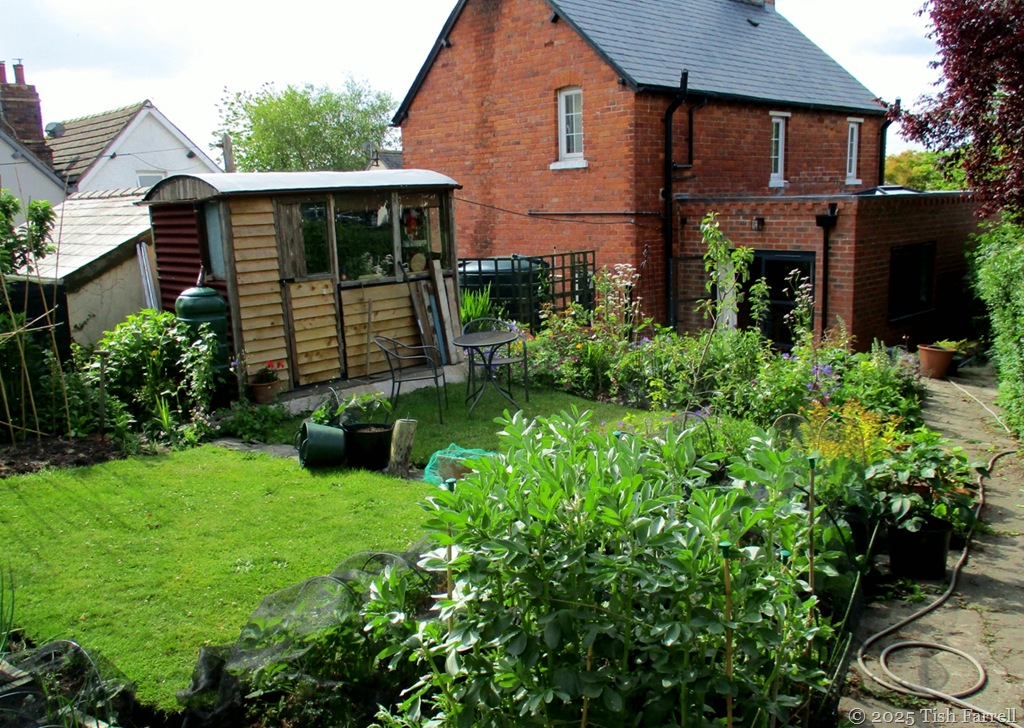
And so there you have it: the Farrell domain…plain and unassuming, but ever so well built and insulated.

IMG_7715 back garden

bricks header

#SimplyRed Day 8

In An Autumn Light: The New Kitchen

IMG_6545ed

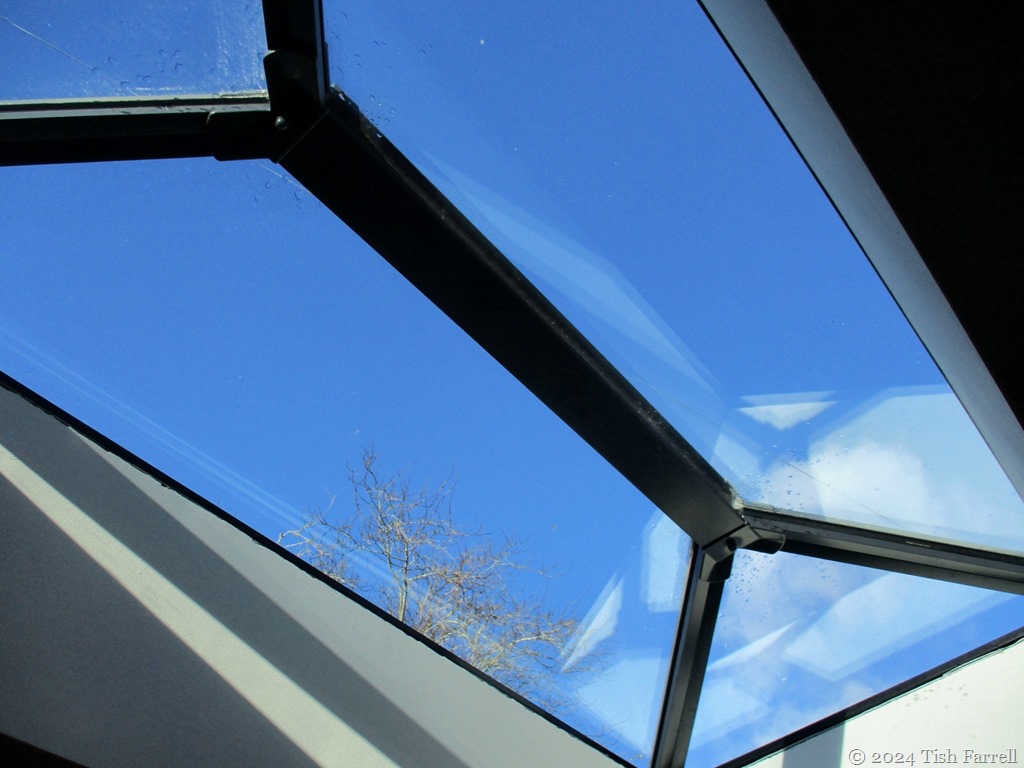
Henry, who produced the structural design brief and plans for our kitchen extension came round on Wednesday to take photos of the finished ‘product’. This reminded me that I had not posted any photos so far, mainly because there are a few bits and pieces to finish off. But then this week we’ve had some glorious light through our roof lantern and this morning it spurred me into action.

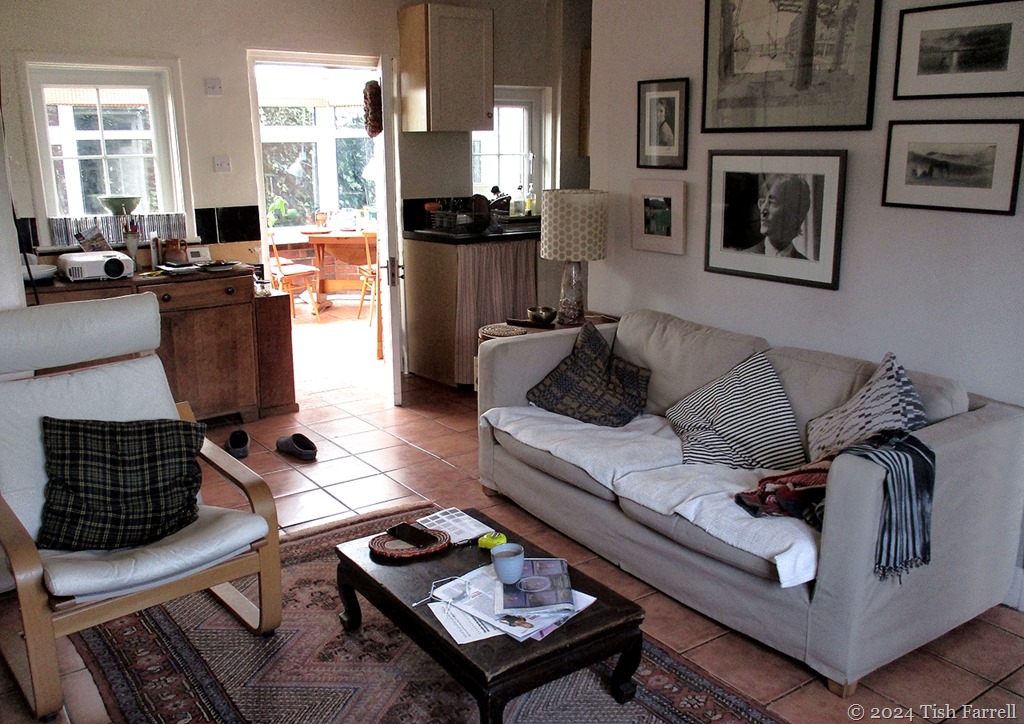
But first, this is how it was just after we moved in:

IMG_3687

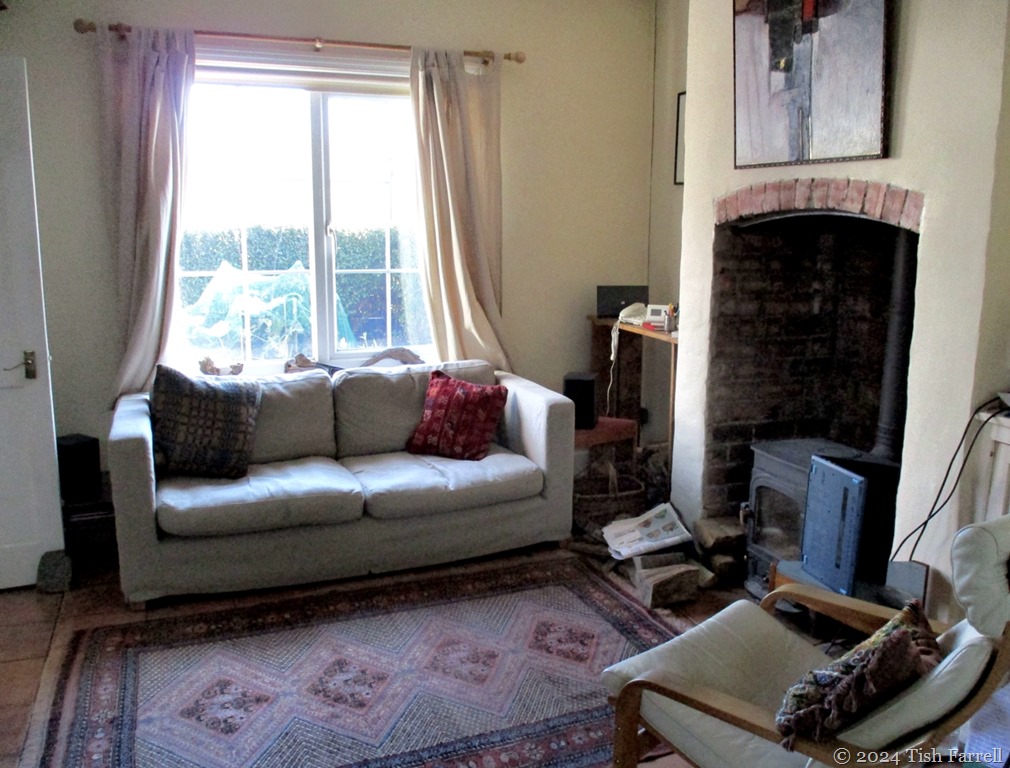
The sitting room then had a galley kitchen (around the right hand corner) and the back door opened onto an oldish, large uPVC conservatory. The conservatory was pleasant enough in summer being shaded by the house and the hedge on the south-west, but its doors also faced north so it was pretty chilly in the winter.

Our plans for replacing it with a properly insulated room were constrained by the hedge and the position of the upstairs windows. We are also in the town’s Conservation Area. We thus had to stick to the original footprint although we could add a metre or so along the rear wall, taking in the exterior downstairs former kitchen window. When it came to the roof, we could have had a shallow lean-to option with roof lights, but decided the parapeted flat roof with lantern would give us the best light.

before and after 1

finished!

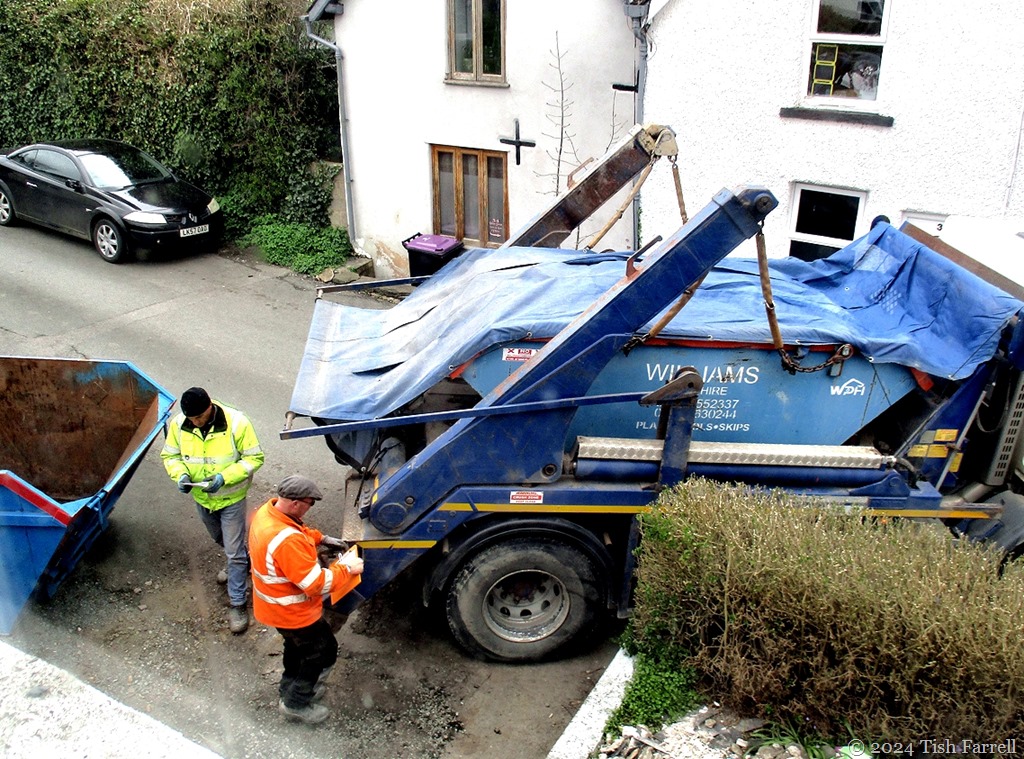
So: there were all sorts of compromises, including cost, and constraints over access at the rear of the house and to the front of the house for debris removal and deliveries. We also didn’t want to do anything that would be at total odds with this modest little 1920s town house.

It finally came to fruition thanks to weeks of conscientious in-put from builder-hero, Alan Morris, who project managed the whole thing. He was also responsible for some nifty brickwork, as well as taking pains to match, as far as was possible, the original brickwork.

IMG_5119

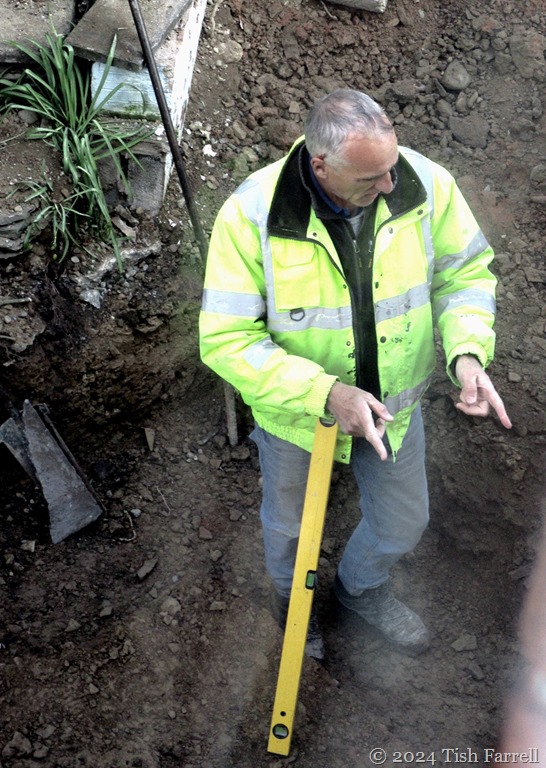
Alan Morris conducting a spot of problem solving  with Graham.

*

And the final result suits us very well.

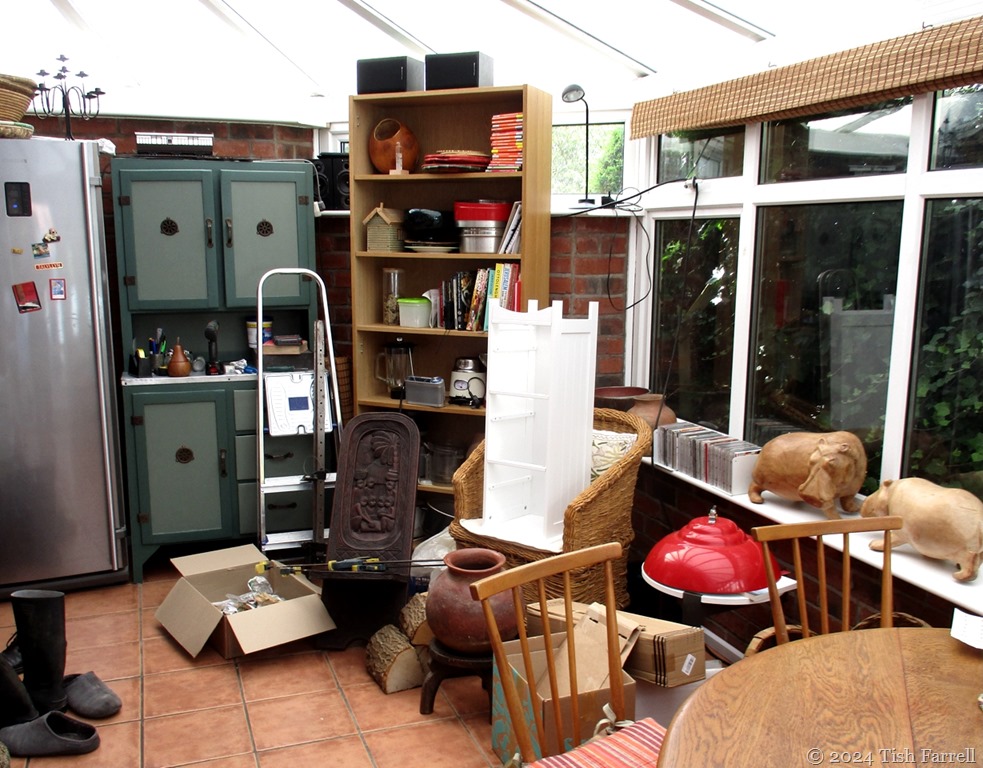
Here are some reminders of what happened in between, starting with the conservatory as moving-in dumping ground:

IMG_3682

demolition 4

demolition

IMG_5126

demolition 5

IMG_5395ed1

*

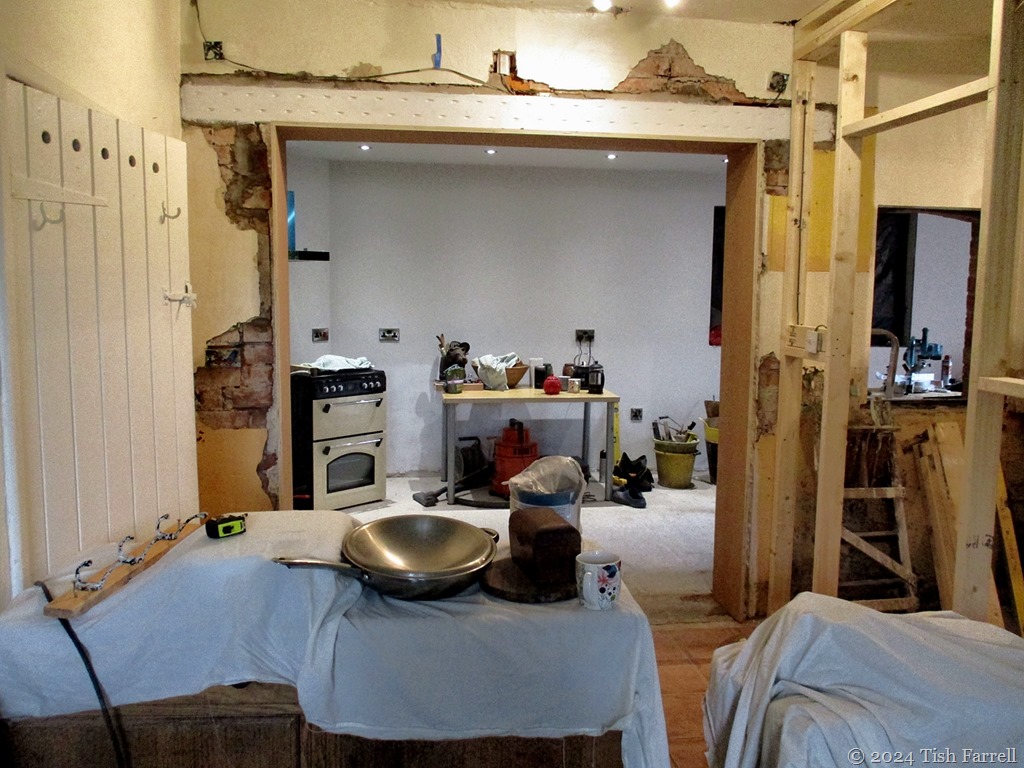
And inside, it all went on around us:

IMG_5383ed

IMG_5623

IMG_5865ed

*

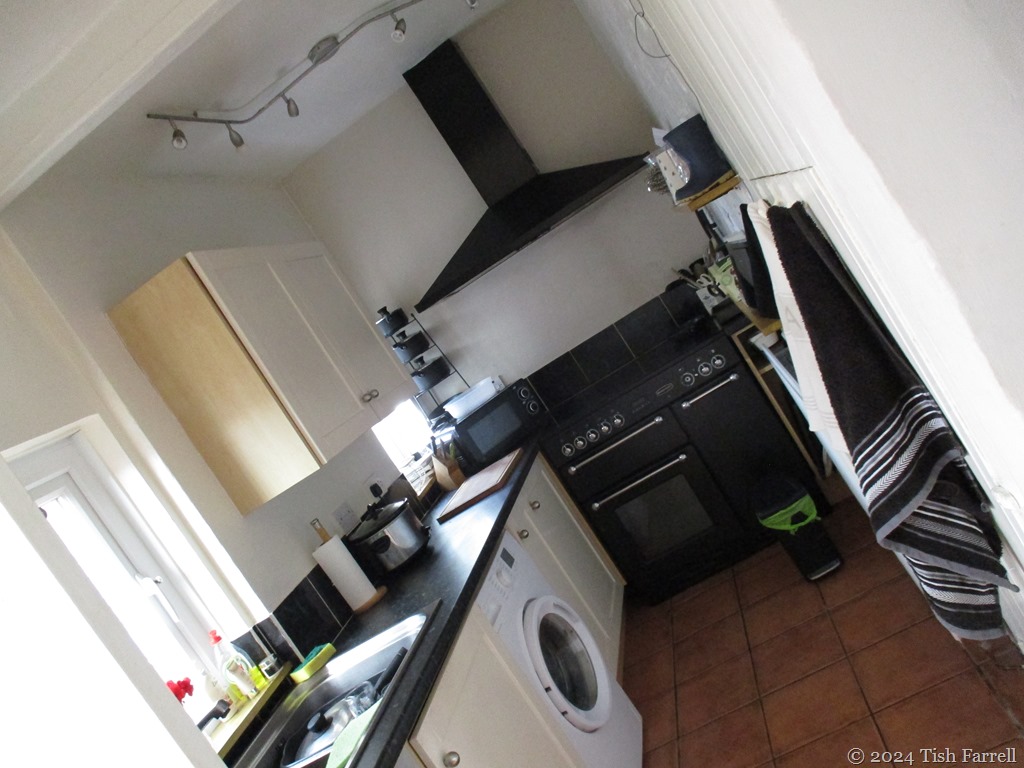
The old kitchen:

IMG_3192

IMG_5620ed

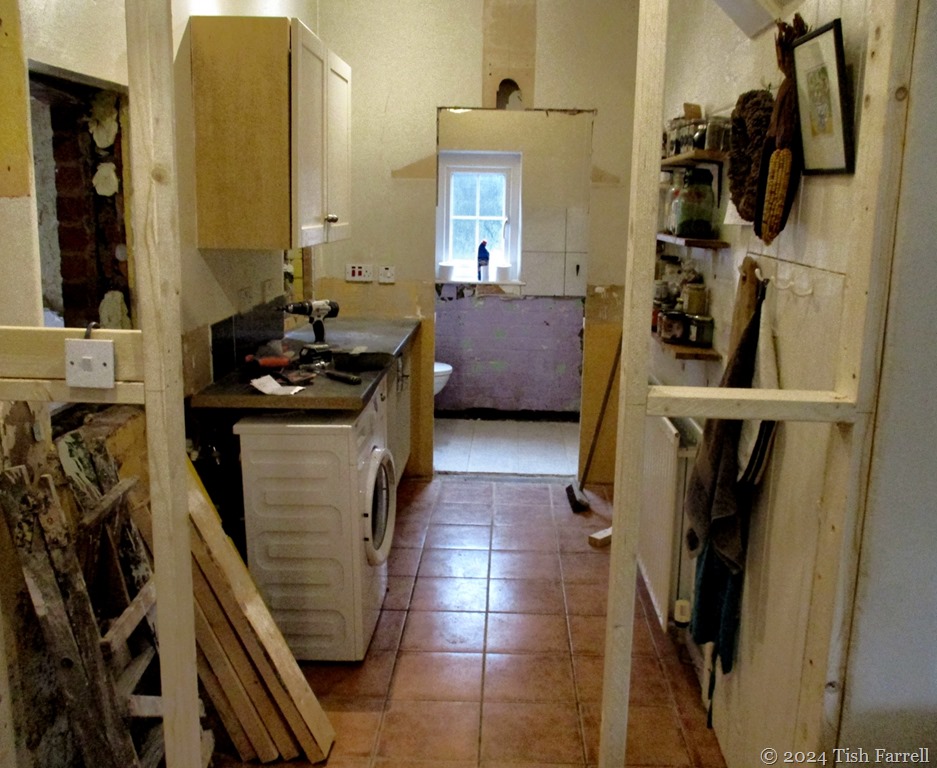
Range cooker gone and original access to cloakroom restored. This is now the utility room,  stud-walled and doored. The downstairs loo has been much smartened up and its parma violet and bottle green walls banished. Also discovered but covered up again was an old flue that probably served a laundry copper. Still some finishing off to do in this quarter.

New wall and door to the utility room on the right.

IMG_6545ed

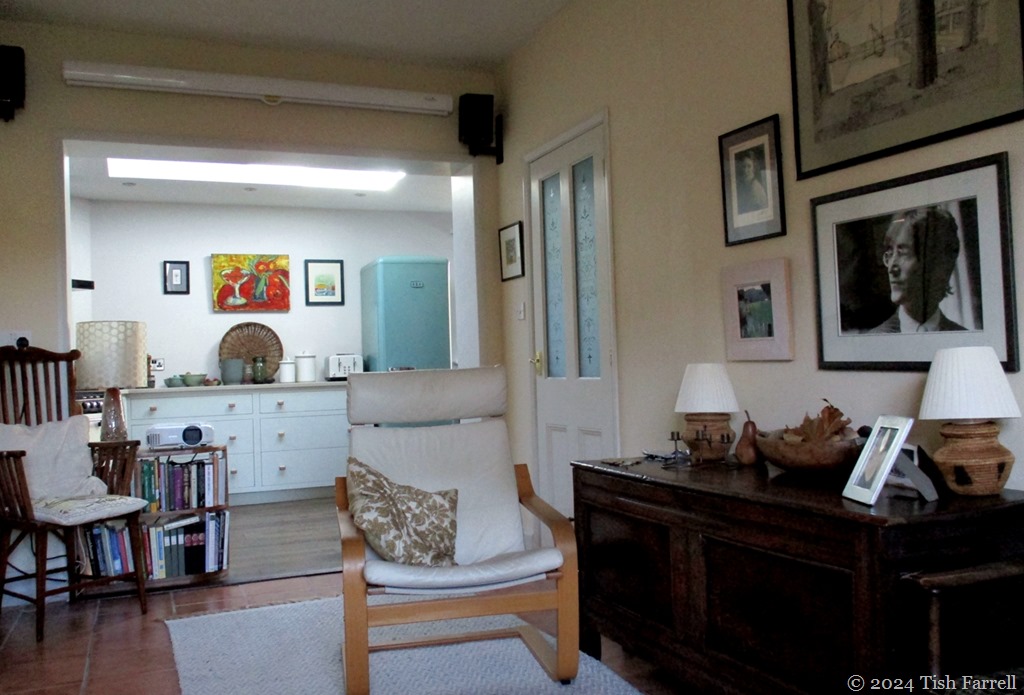
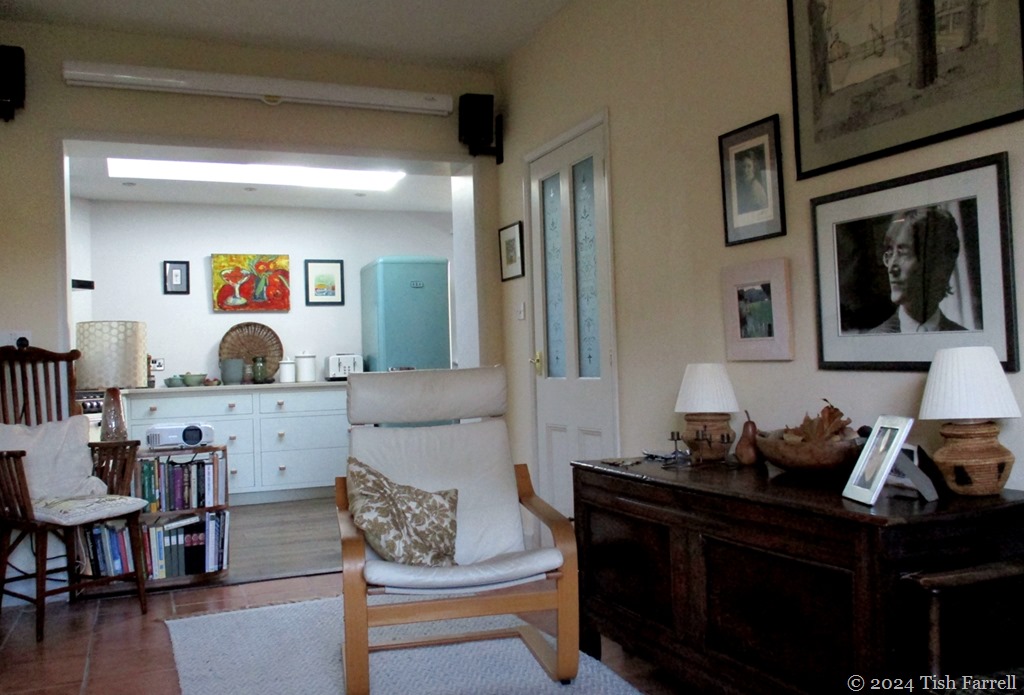
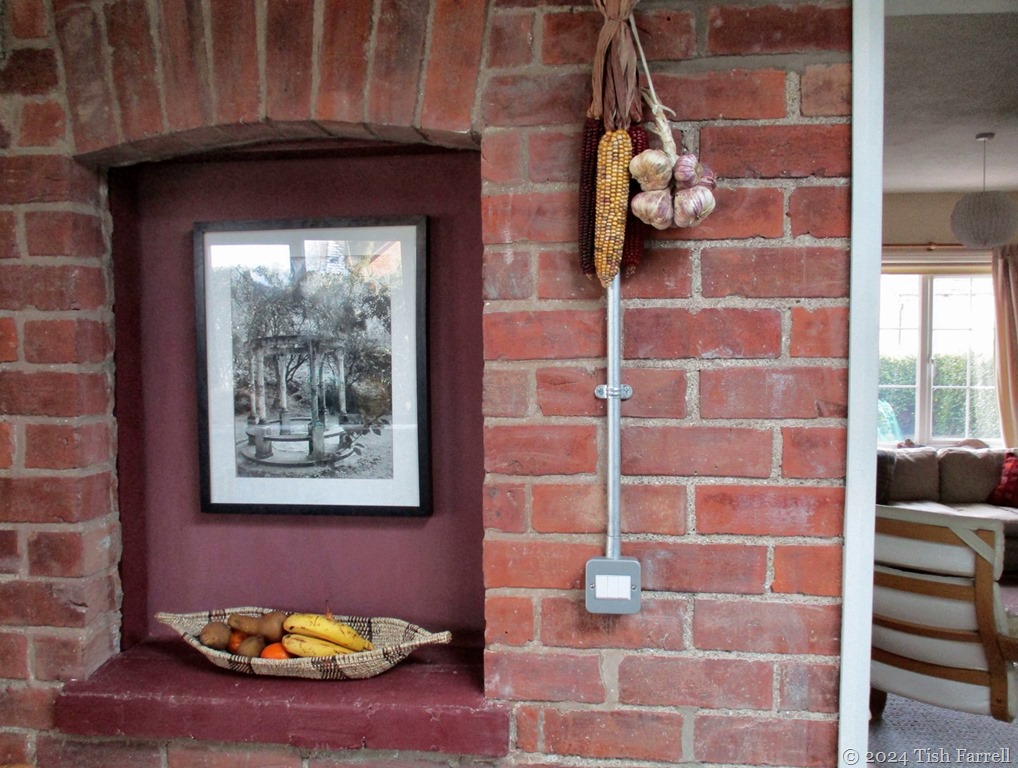
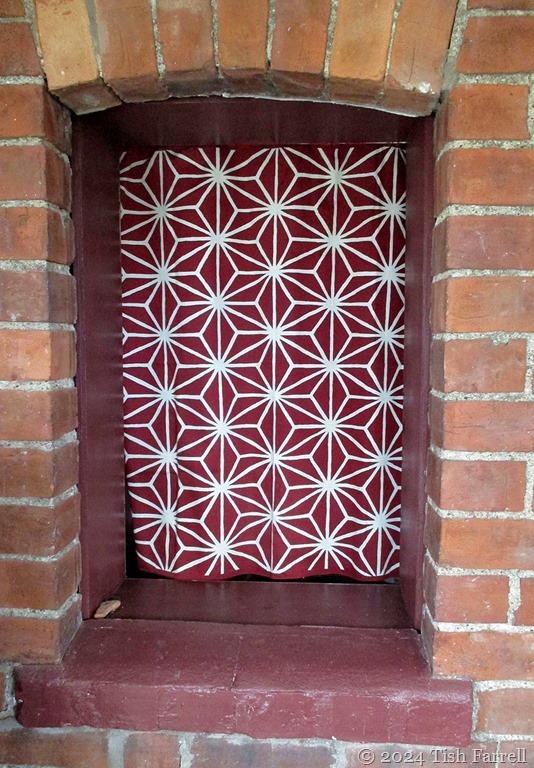
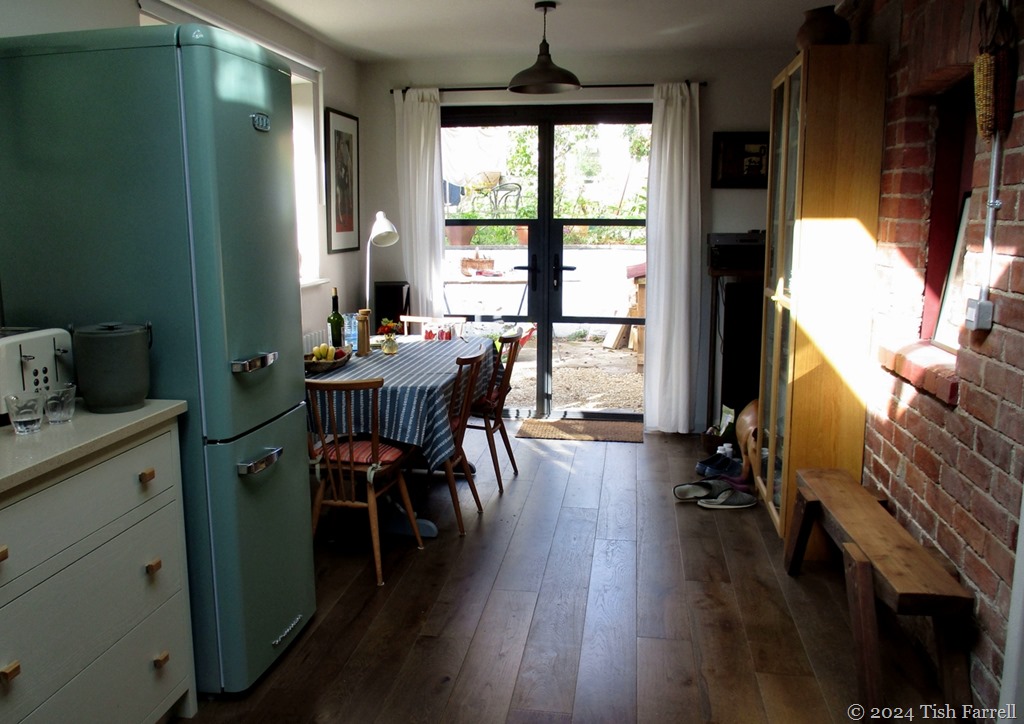
And the new kitchen – yes, I know, It is more than a touch quirky. For one thing, we didn’t domesticate the original outside wall, just washed the spiders off, and kept the window spaces too. Anyone who moves in after us can plaster board over them if they want to.

IMG_6564ed

IMG_6569

*

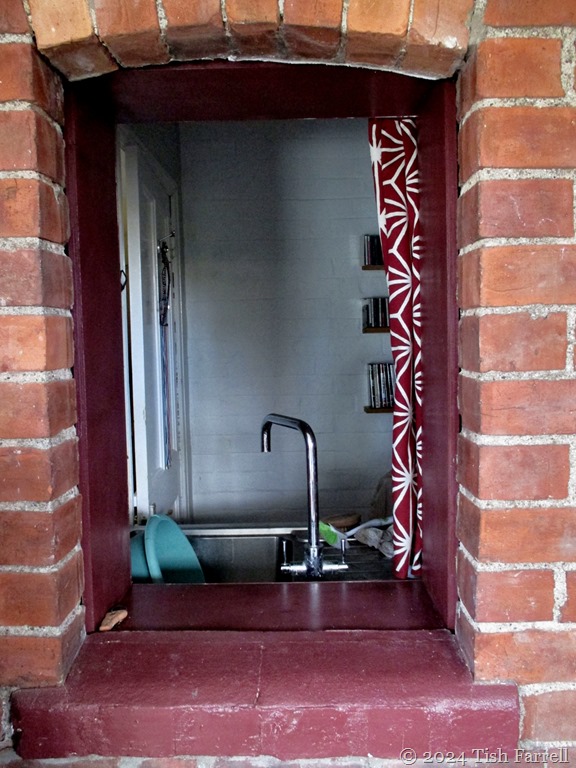
We left the window space by the back door open. A kitchen ‘hatch’ no less. It gives us instant access to the utility room sink. Ideal for chucking freshly dug spuds into it:

IMG_6565IMG_6567

*

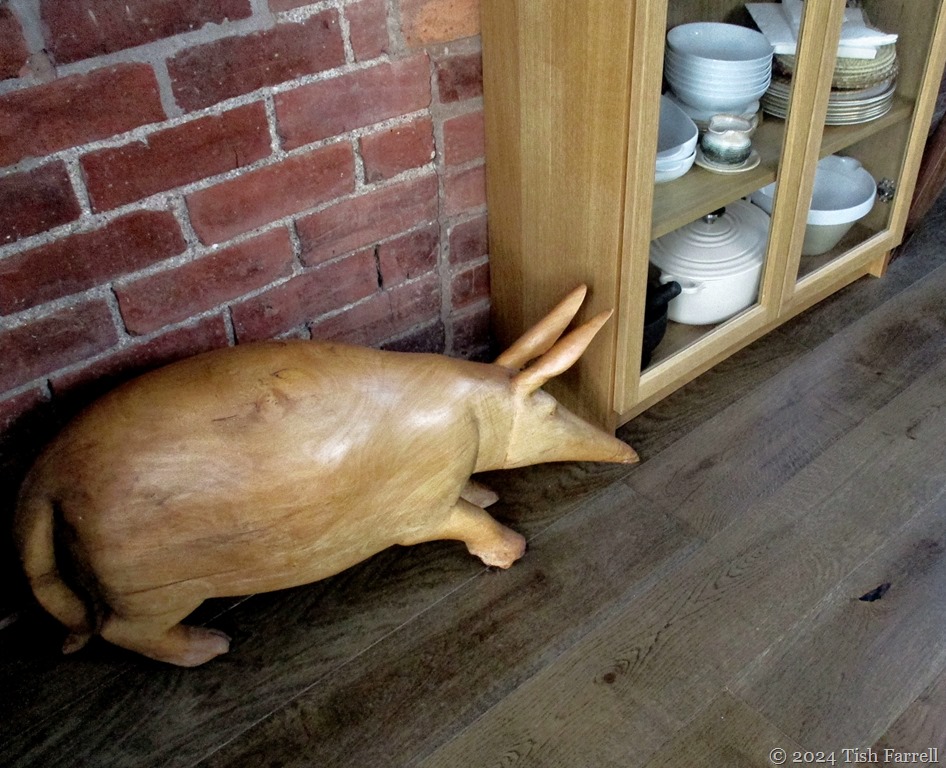
And of course there’s the aardvark:

IMG_6563

*

Handmade units made by Shepherd Hills cabinet makers. The angles either side the cooker were tricky to deal with:

IMG_6548

IMG_6245

IMG_6549

IMG_6555

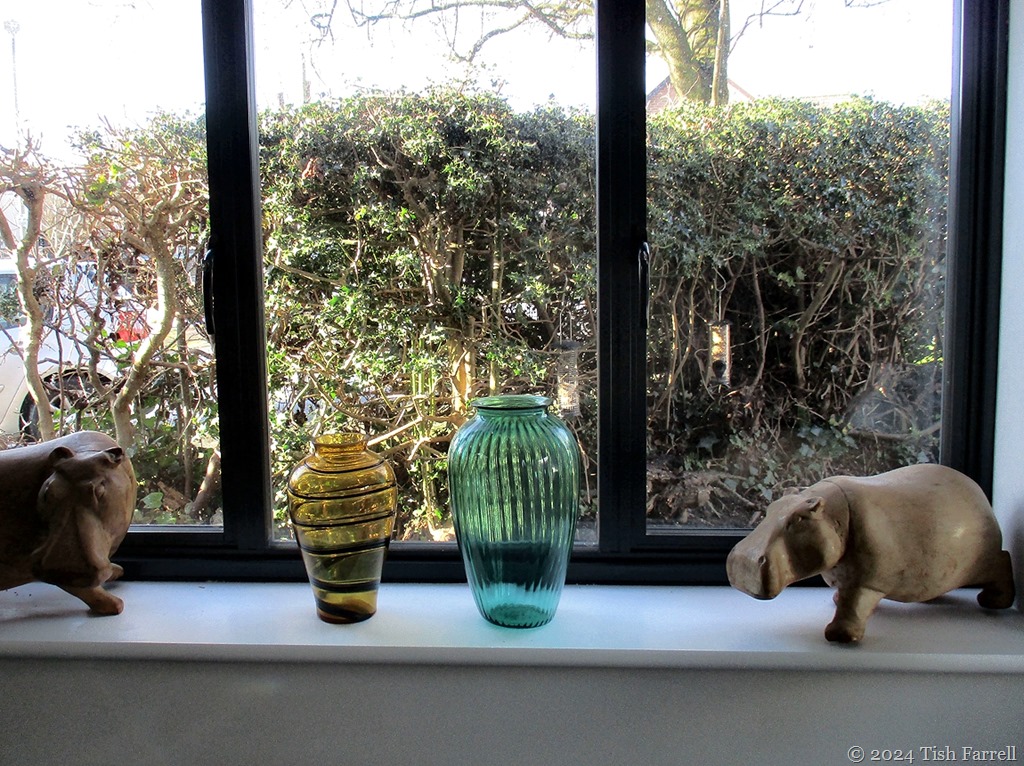
The ‘horrid hedge’, which I’m still tackling, has turned out to be just the place to hang some bird feeders. The sparrows and robin have found them, but the jackdaws haven’t (not yet anyway), and we have good mealtime views of passing birds.

And now, after all that, a good sit down beside the wood burner is called for:

IMG_6547

*

There’s still a lot to do. Top of my list is that Graham needs to get rid of all his trailing cables. We don’t have TV but stream and screen things we want to watch via a laptop and projector. At present the system is mobile and makeshift, waiting for the moment when all the wiring will be hidden under the bedroom floor. There are signs that this might happen soon. Apart from this, much decorating is still required, and we still haven’t quite moved in. One day…

In the meantime, the Castle is a good place to be.

header3

Of Acrow Props And Potatoes: June Update

IMG_5385ed

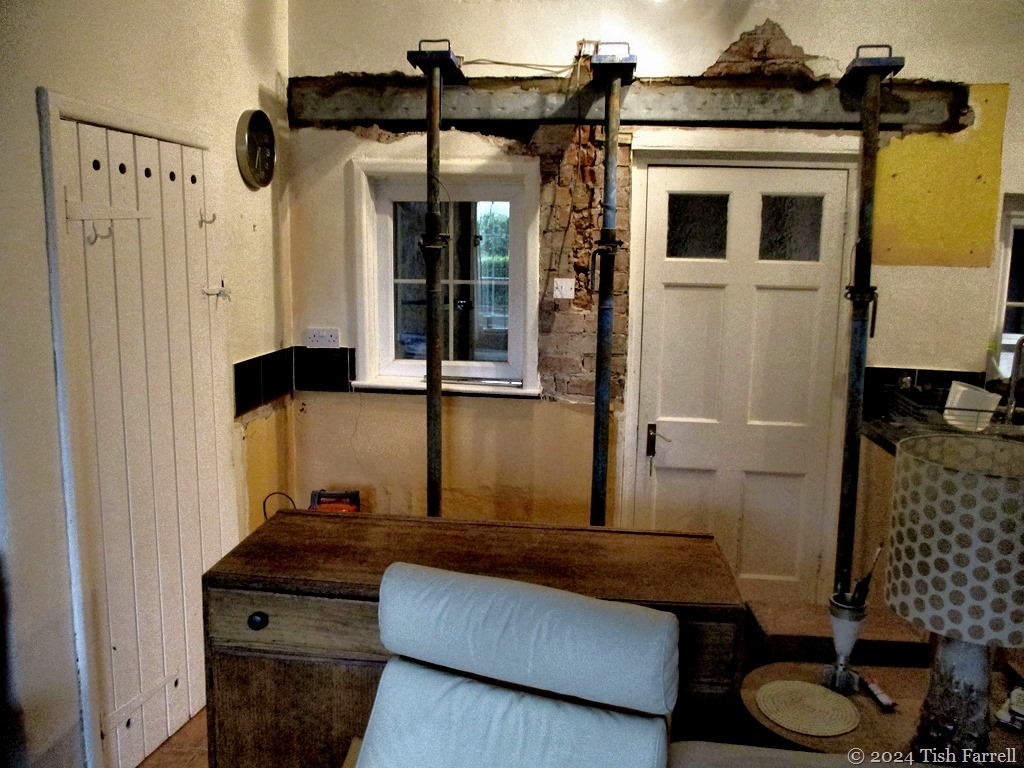
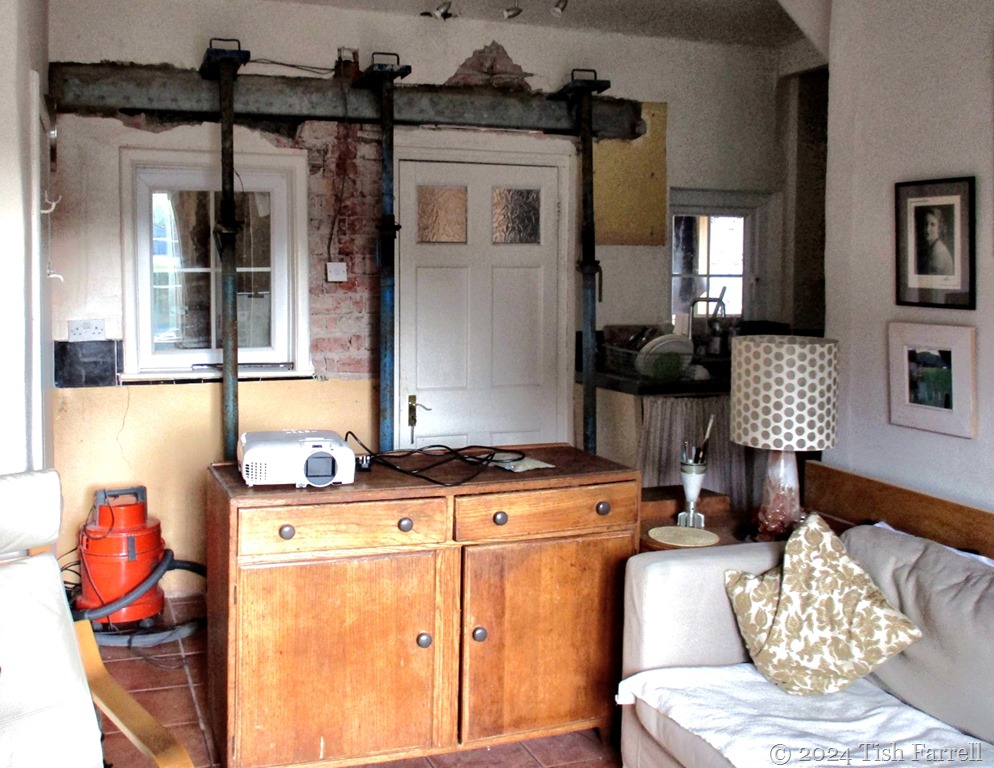
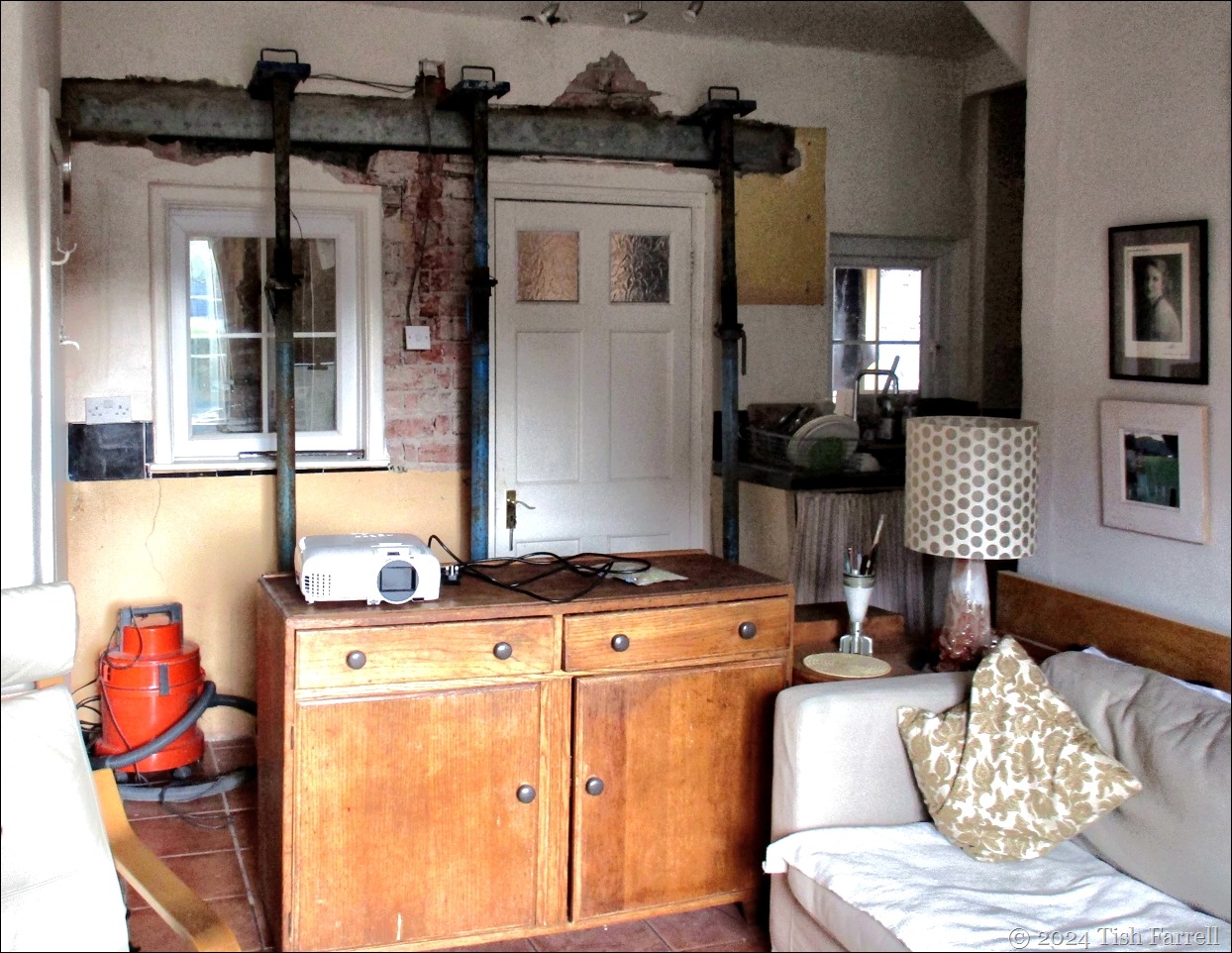
I hadn’t actually asked the question, as in how many stages are involved when it comes to demolishing a section of load-bearing house wall. I suppose I had wondered how the two steel beams (inside and out) would be inserted in the sitting-room-kitchen wall. And logically I would have assessed that this must be done before the actual wall, window and door were knocked out.

I also knew that this would not happen until the new kitchen extension was nearing completion (several weeks away). In other words I had not prepared myself for a double dust-storm event, mostly because the chaps, as in other half and builder Alan, had given me only scant (evening before) warning of the beam insertion process.

But the dust!

It was all I could say when I learned what was planned. Alan raised his eyebrows – part apology, part goes-with-the-territory. Plastic sheeting was duly taped, floor to ceiling, across the back of the sitting-room and across  the ‘L’ of the kitchen. More sheets were thrown over all the furniture, doors that could be shut were shut, and then the hammering began – first the plaster, then the wall whose bricks, as bricks go, are strangely adamantine. It’s likely they were made just down the road, in the days when Bishops Castle had a  brickworks.

And so here we are, a week on, still dusting; an activity that will doubtless segue into demolition phase II sometime in August.

But at least the acrow props have gone now and the furniture is back where it was, also a critical factor in a small house where we presently have more stuff than rooms to put it.

IMG_5378ed

*

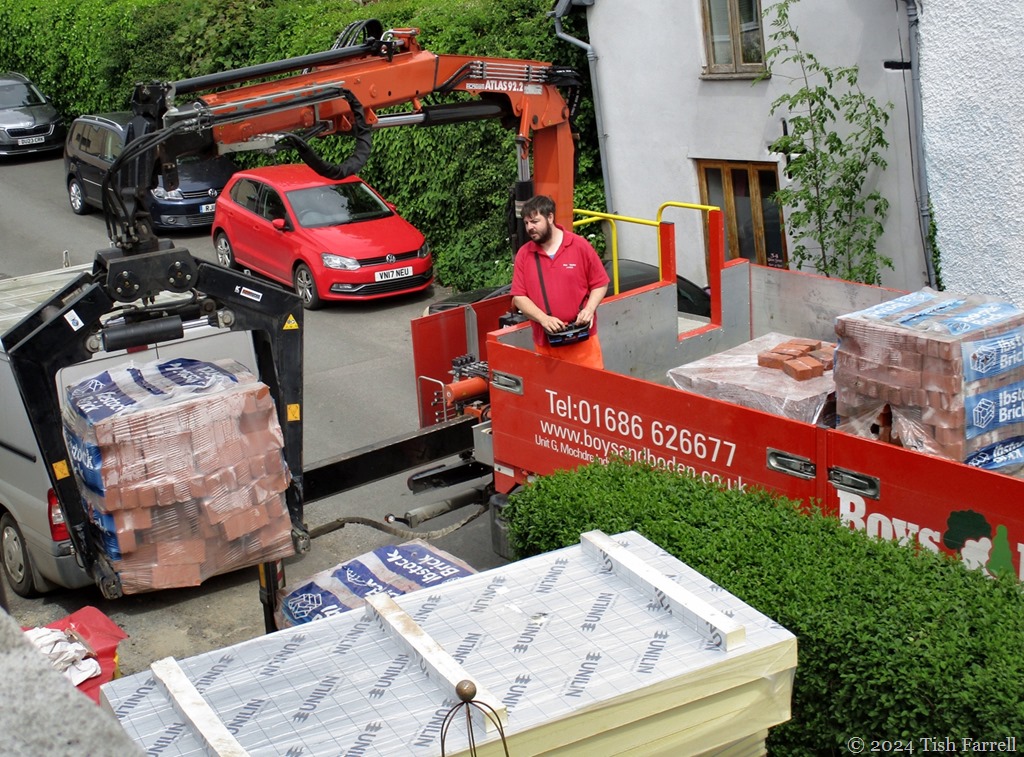
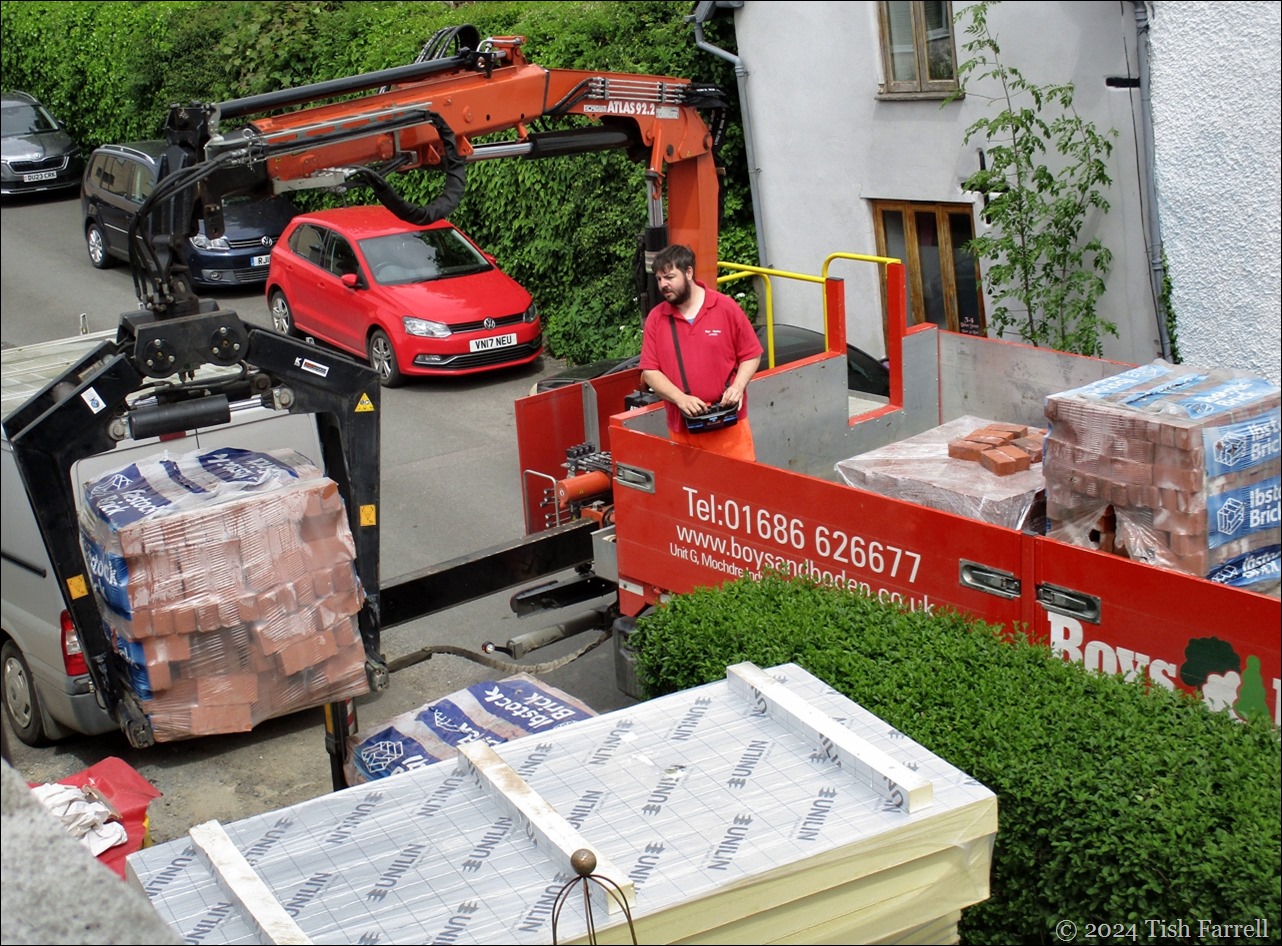
We’ve also been receiving deliveries  – the front garden now looking like a builders’ yard.
IMG_5395ed1

*

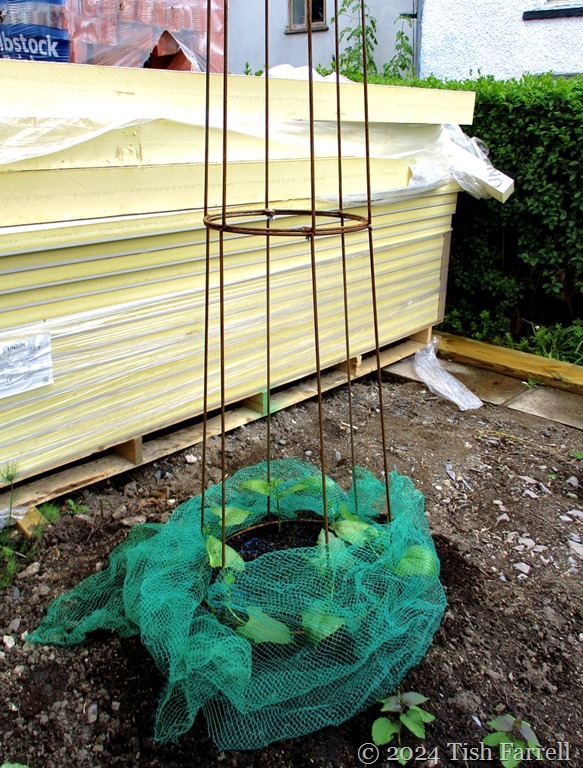
One half has been commandeered for supplies, it being the most accessible space for unloading. But I’ve hung onto a small corner and put in some Gigantes butter beans and two yellow courgette plants, tucked in between the insulation boards and the front door. Well, can’t miss the planting season, can I. And that border is particularly sunny. I popped in some Korean mint (Agastache) too.

IMG_5403ed

IMG_5405ed

*

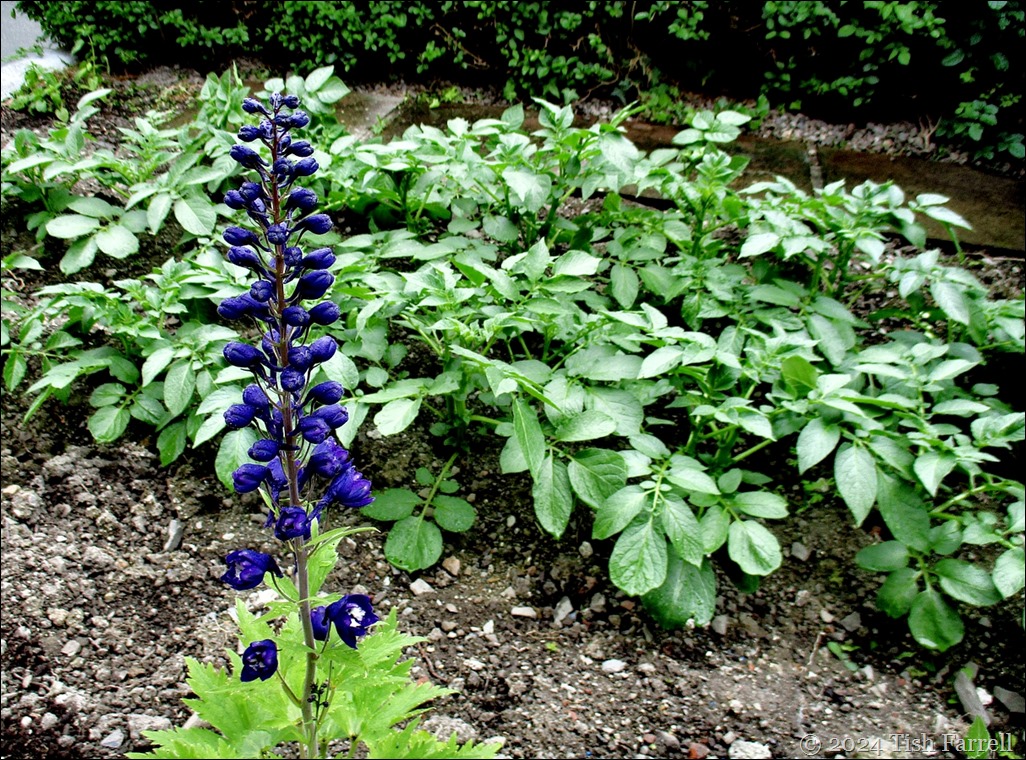
As to the bed on the other side of the front path, I staked a claim back in April, so the roofers wouldn’t bury it in waste tiles. I’ve put in three small rows of potatoes – Rocket and Charlotte, which have sprouted well. There’s also the beginning of a herbaceous border under the sitting-room window: a lone delphinium accompanying some young alcalthaea plants (a cross between mallow and hollyhock), knautia and verbascum, blue geraniums and achillea, a purple toadflax with has turned out to be pale pink.
IMG_5401ed

*

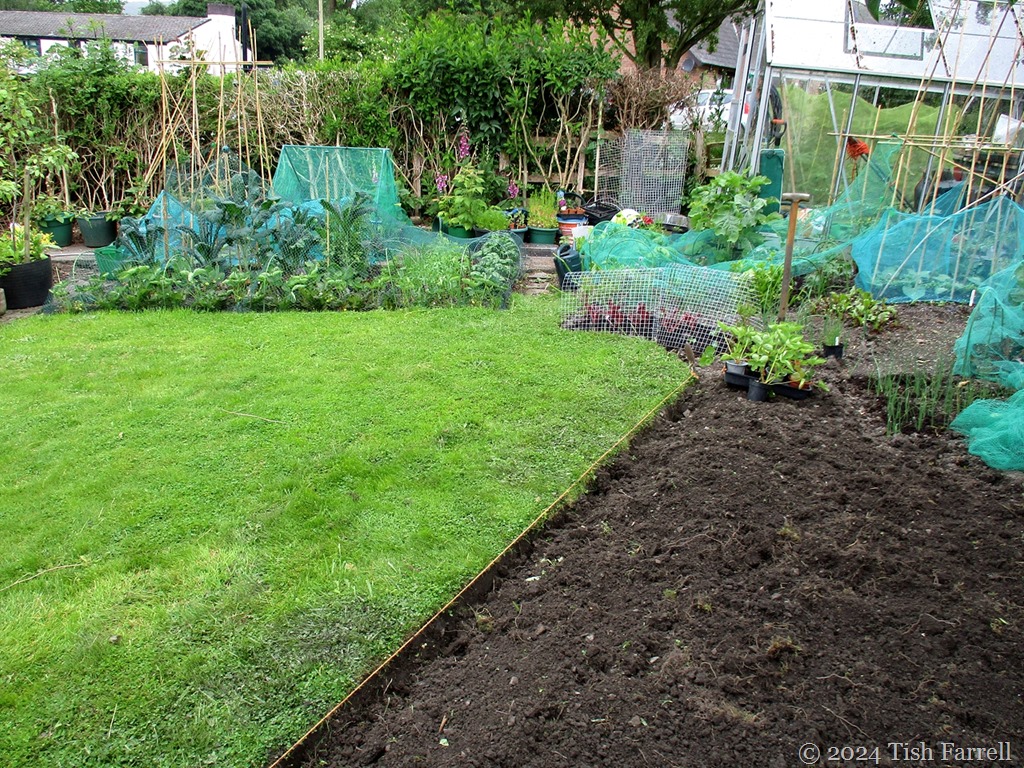
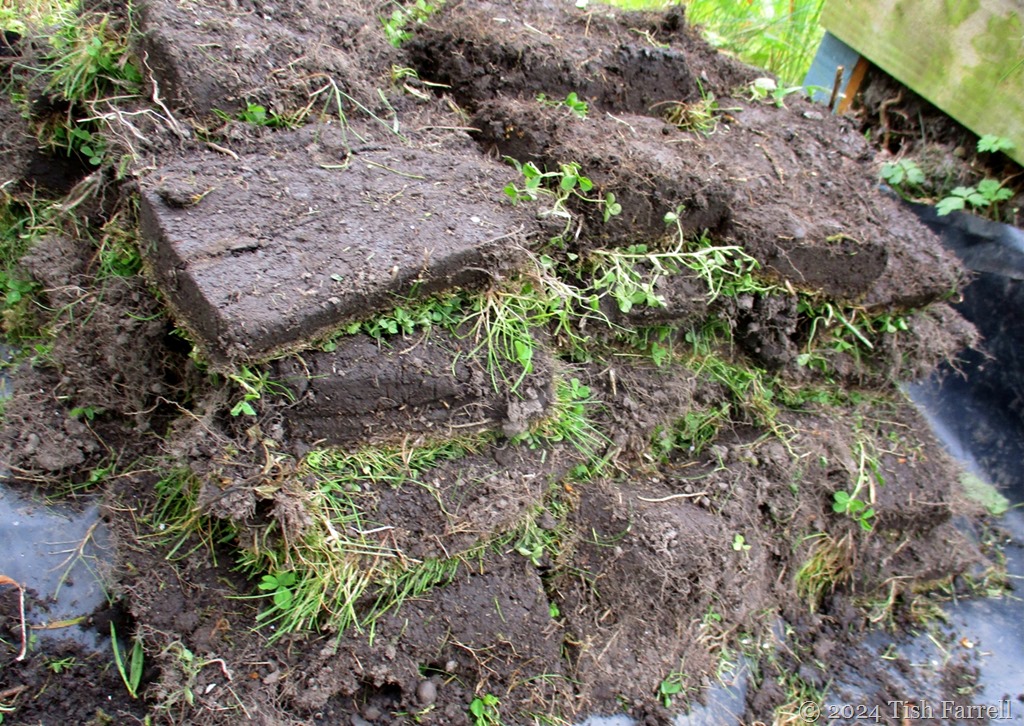
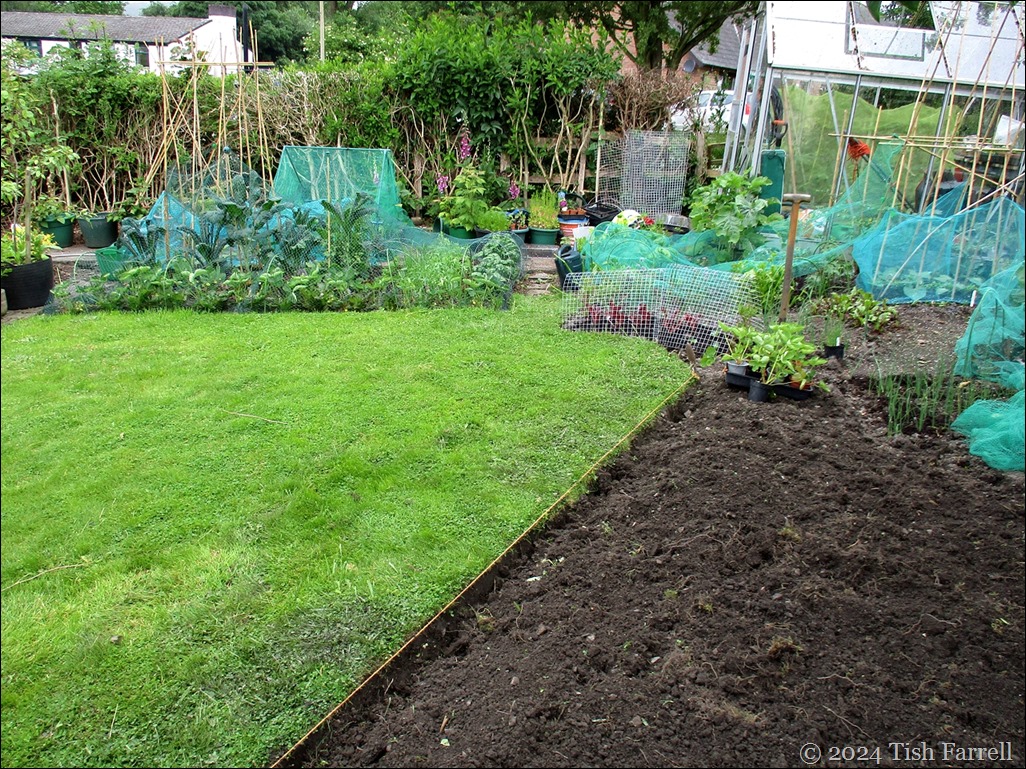
Meanwhile out in the back garden, the lawn has been continuing to disappear. Most of the turves are in the compost bin which is now full. I’m now stacking the rest, leaving them to rot down.

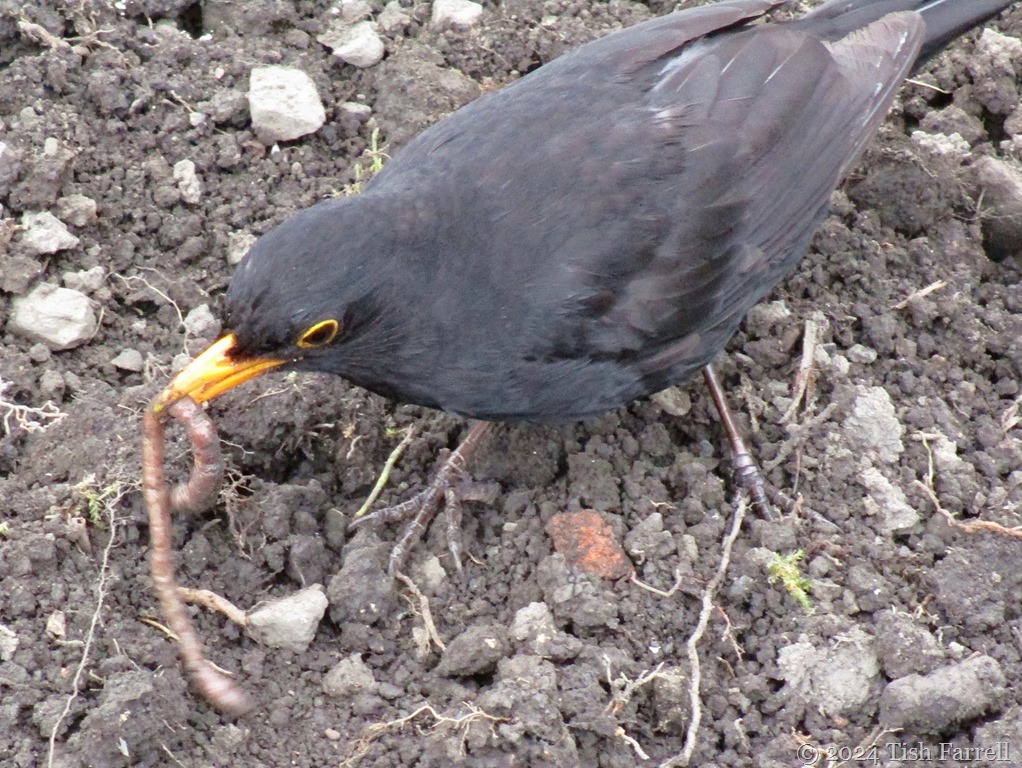
The more I dig, the bolder the blackbirds become, nipping in around my feet. I watched one carefully gather a stash of worms on the lawn whence they could not easily escape. When the bird had a good beak full, off it went, doubtless to feed a fresh brood of nestlings.
IMG_5408ed

IMG_5419ed

IMG_5427
*
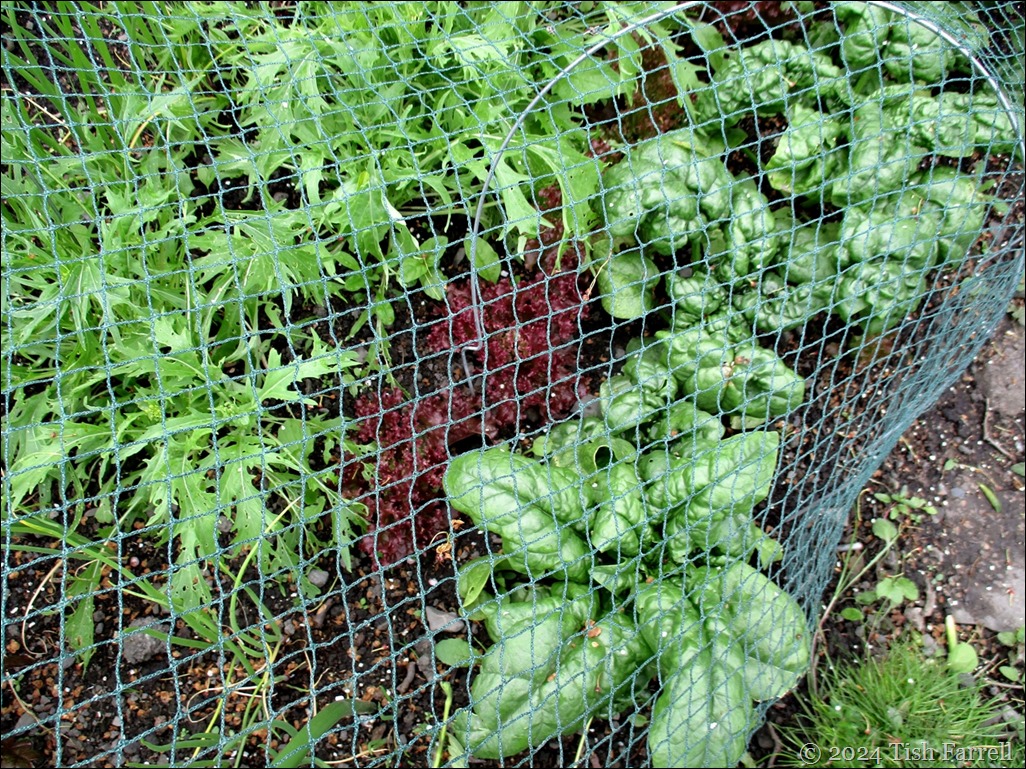
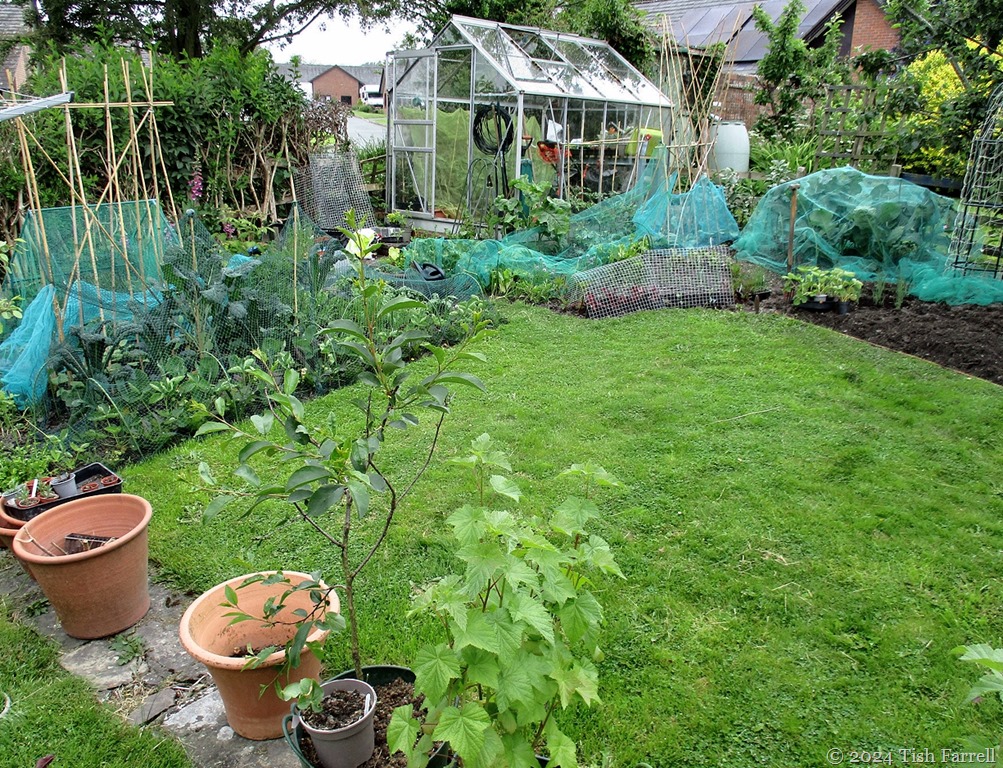
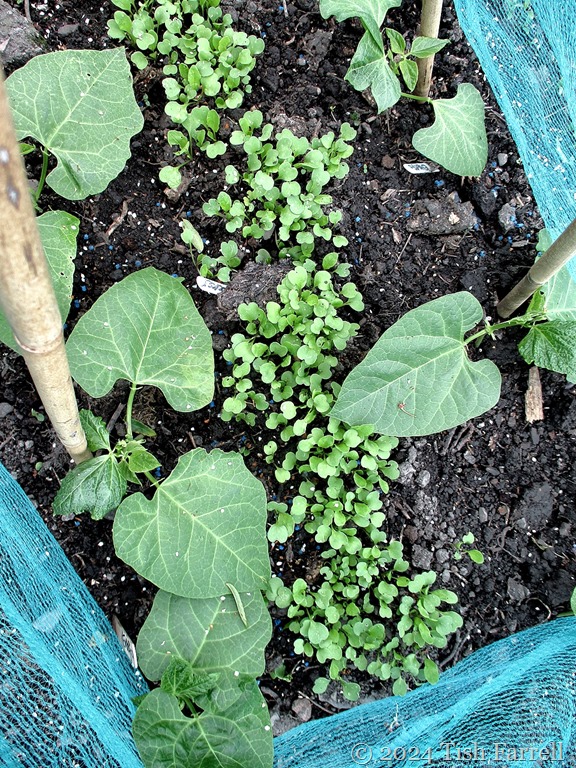
Much like the house, the garden is chaotic. Somewhere there’s a plan. For now, I’m simply pleased to have all kinds of kale, spinach and lettuce busily thriving. We’ve even had a handful of early purple sprouting. There are field beans forming at the top of the garden where the Romanesco caulis are growing ever more gigantic leaves, though no sign of flowers. There are tomato plants inside and outside the greenhouse. Strawberries are plumping up alongside cabbages, spring onions and Moroccan Cress, and the Emergo runner beans are looking pleasingly robust, though not yet climbing their sticks. In the interim, I have some rocket (arugula) growing mid-row. It needs thinning out.
IMG_5409ed
IMG_5412ed
IMG_5416
IMG_5410ed
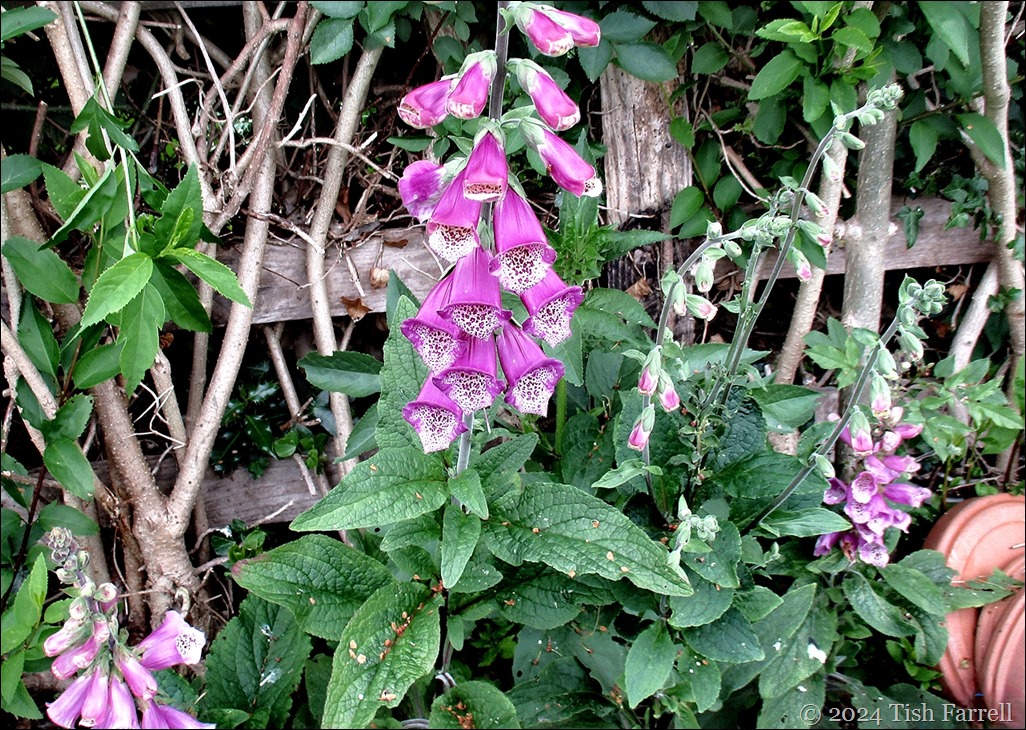
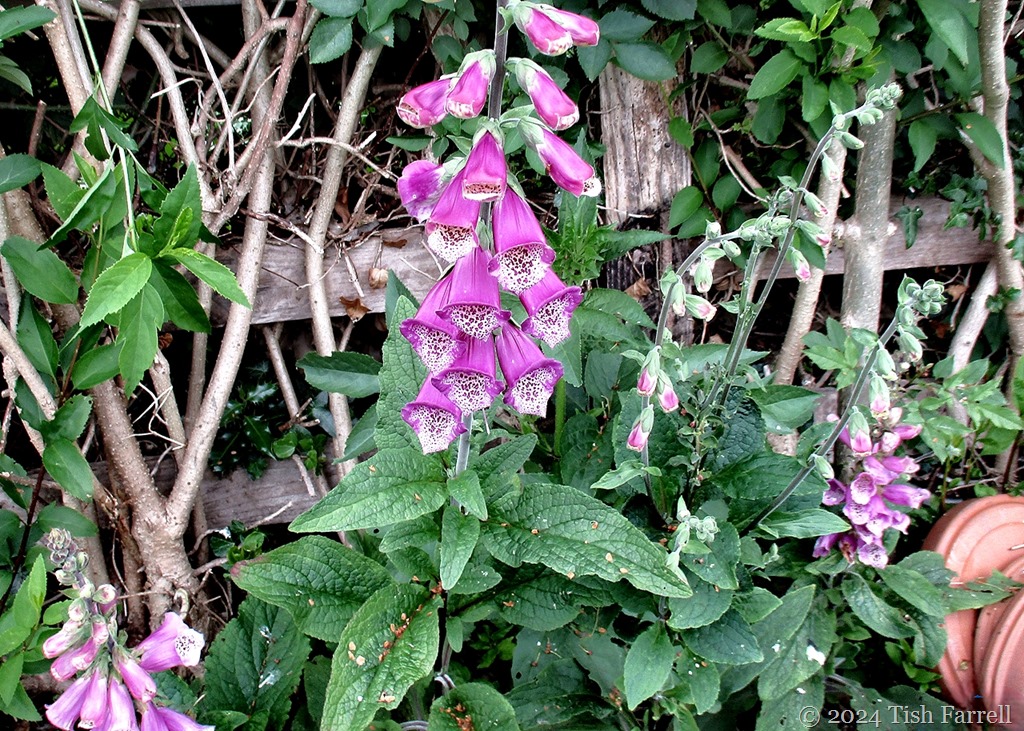
The horrid hedge still needs much work. I now see it’s full of sycamore and ash trees, some quite substantial, while the actual original hedge of holly, hawthorn, weigela and privet has been much mutilated by years of being squashed behind chicken wire and under great boughs of ivy. But that’s a job for autumn. I anyway think we’ll need a man with a chainsaw to cut it down to size so the lower quarters can regenerate. I’ve planted foxgloves to brighten up the bare patches.
*
So here we are in June with thoughts of summer, thoughts being the operative word. For although the gardens around the town say it is summer, the weather says otherwise. All this week builder Alan has been complaining of the cold, resorting to his winter windproof jacket. We’ve been going around  wrapped up in sweaters, lighting the wood burner each evening. And for sure we’ve had some sunshine, but the wind has an icy edge, and it’s hard to escape it. Still, the spuds are looking good, and apart from the dust, there is much to be happy about.

IMG_5401 header