wild shopping in Kenya

Scan-130602-0001

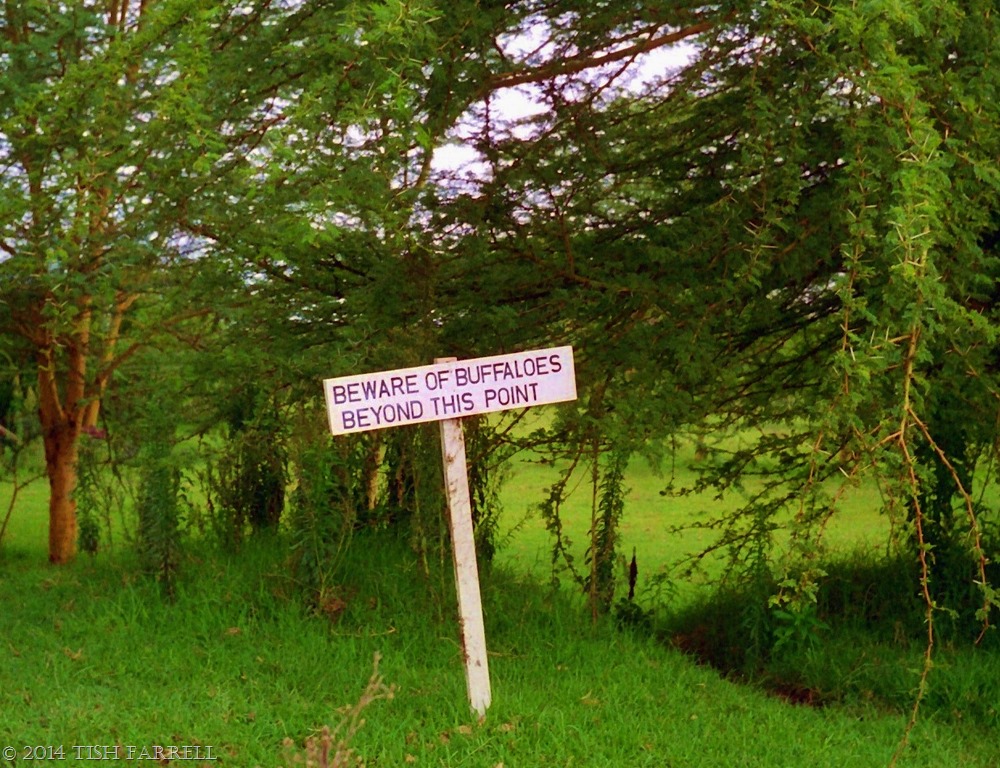
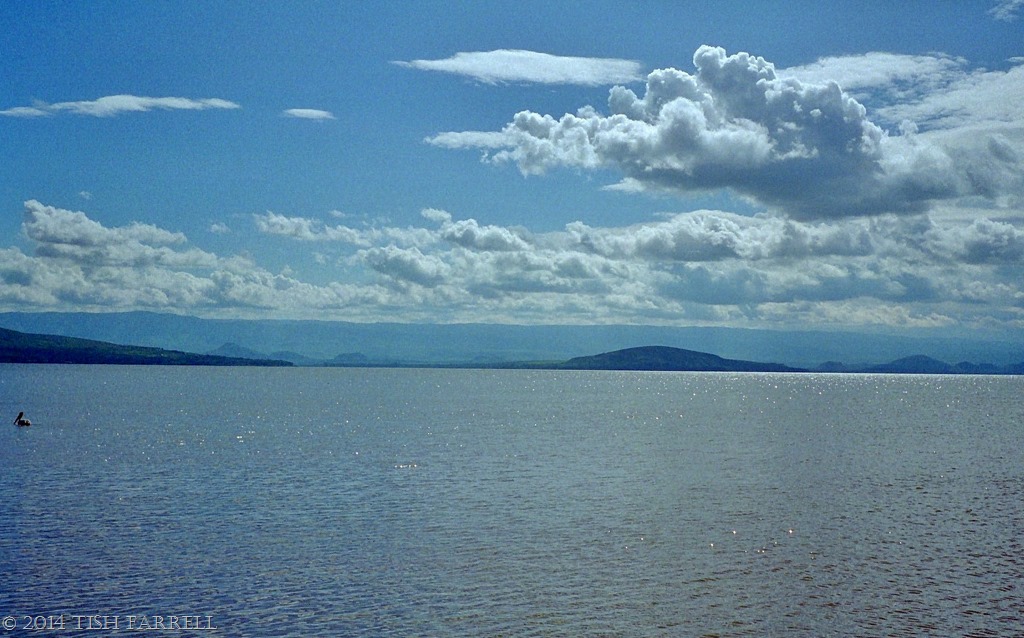
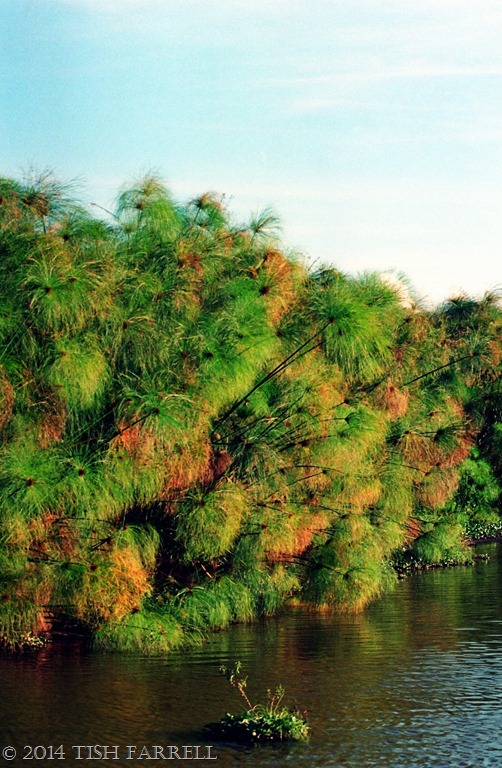
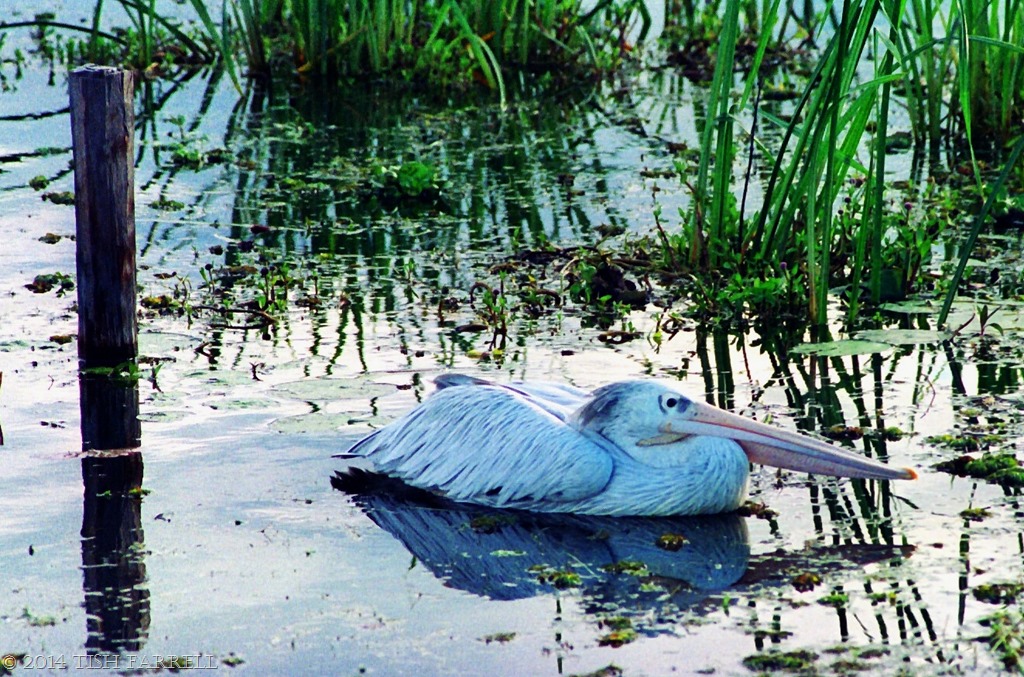
In Africa shopping is often an adventure. Well, who needs the thrill of the mall when you can strike a deal in a hippo-infested papyrus swamp? And for carnations too. I was most impressed by this young man’s opportunism, though puzzled too. Flower-buying customers seemed in short supply in this particular location. I was in the wilderness grounds attached to the Safariland Hotel on the shores of Lake Naivasha when he popped out of the papyrus. I had been wandering alone there (as I did over several days), not on the look out for retail therapy, but for Cape Buffalo (as indeed the sign warned me), and also for hippo whose very loud grunting was resounding off the lake. Both creatures can be deadly if you catch them, or they you, in circumstances not to their liking. 

In short then, I was engaged in my own form of adventure bird-watching, while the Team Leader, aka Graham, was back at the hotel, involved in workshop brain-storming with fellow scientists from across Africa. The other surprising factor is that I had some money on me so was able to buy a bunch. The flower seller kept his stock hidden from view in a swamp puddle. It seemed he was recycling the discarded side-shoots from one of the local flower factories. There are several of these huge horticulture enterprises along Lake Naivasha’s shore, all abstracting and polluting the only freshwater lake within Kenya’s Rift in order to export perfect metre-long stems of roses and carnations to Europe. The seller was thus making an opportunity out of stock control squeamishness over European “standards”. But as you can see, his little posy is very pretty. The flowers lasted ages, even surviving a hot drive back to Nairobi. A good buy all round.

You can read more of this story at CARNATIONS, CROOKS AND COLOBUS AT LAKE NAIVASHA  For now, here are more views of this unique wildlife outlet store:

Scan-130602-0003

Scan-130716-0012

Scan-130602-0006Scan-130716-0010Scan-130716-0013


DP weekly photo challenge: adventure

Ailsa’s Travel Challenge: merchandise

sunday stills: Get your pumpkinhead now


IMG_0394

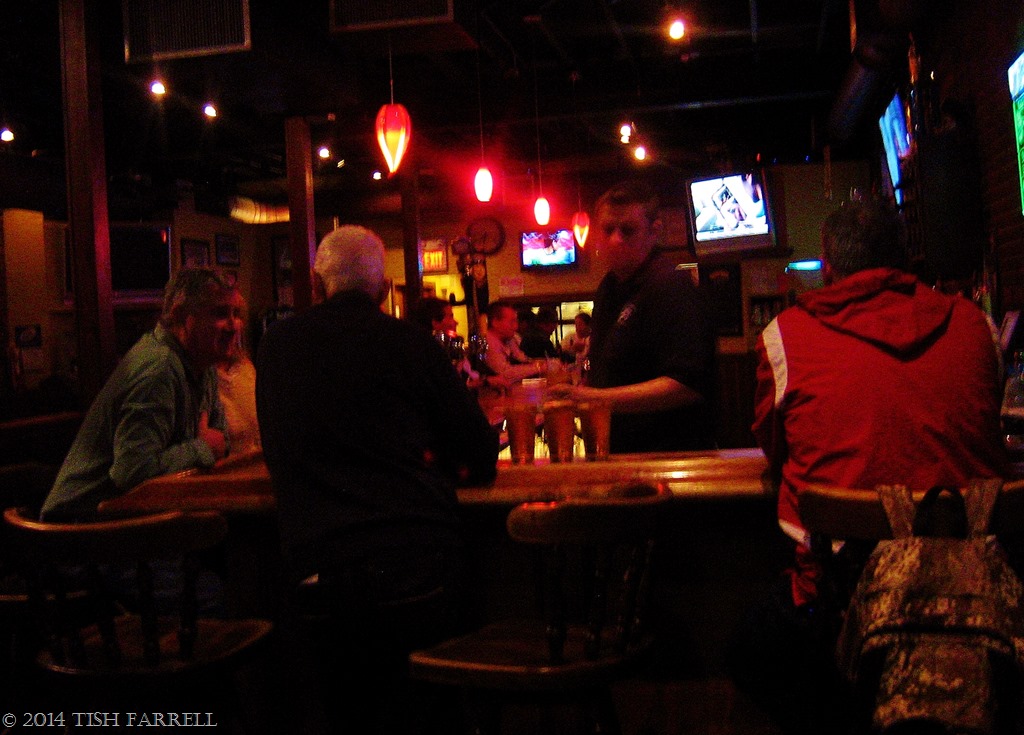
We had left Maine in late September sunshine, heading for Boston on the last leg of our journey before returning to the UK. We arrived mid-afternoon after mooching around Portsmouth. The sun lasted long enough for a fine view of Jamaica Pond, and then the rain moved in. By supper time it was cold and dreary and we did not feel like walking far from our B & B. We wandered a couple of blocks up and down Centre Street, looking for somewhere to eat. Nowhere beckoned, but at least the red glow of Costello’s sports bar looked welcoming. And it was welcoming. A query about the best brew on offer very quickly led to this:

IMG_0396

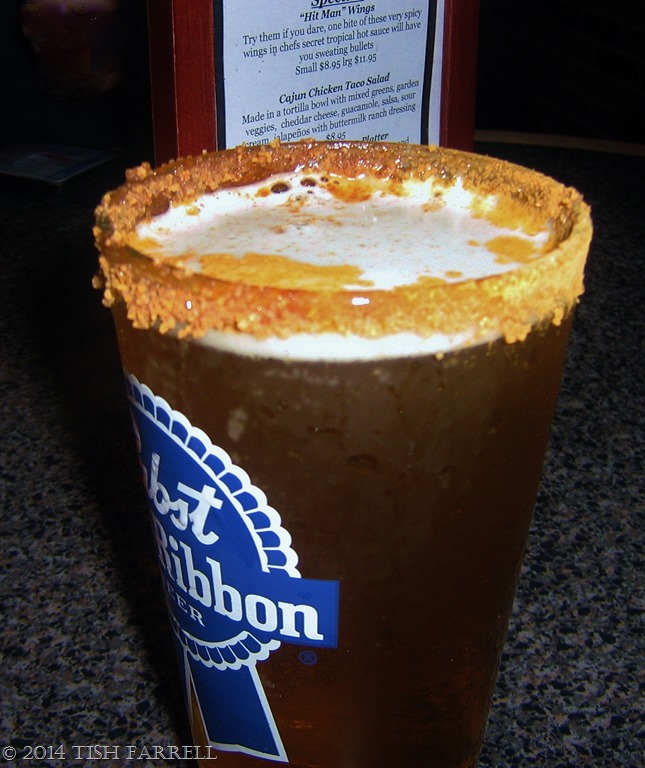
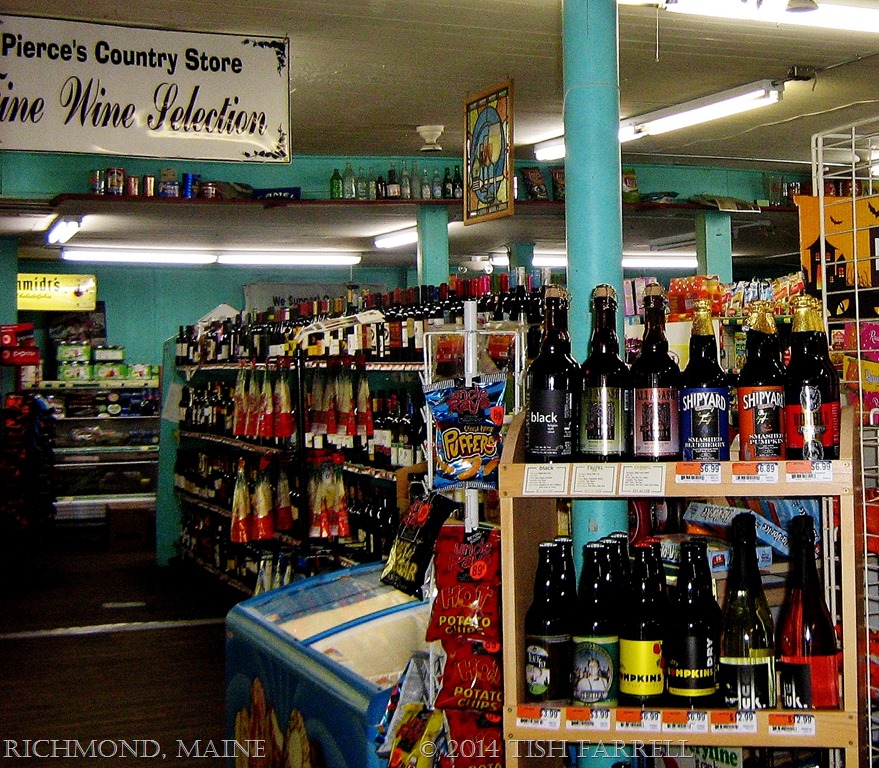
DA-DAAH! A round of applause for Shipyard Pumpkinhead Ale.

I have to tell you that this was a whole-body experience. The rim of the glass came coated in caramel, sugar and cinnamon, which then proceeded to dribble down the sides. And all over our hands, which then required clean-up trips to the rest-room. But never mind. The ale was delicious, and required further sampling, and more de-sticking, and finger-licking. To hell with it. Who needs supper.

I now discover that this ale was created first in 2002, and that the Shipyard Brewing Company had its beginnings in Kennebunkport Harbor ME. In 1992 entrepreneur Fred Forsley joined forces with English master brewer, Alan Pugsley and started Federal Jack’s Restaurant & Brew Pub. This was the birthplace of Shipyard ales, but so popular were their English and seasonal ales, they soon had to move production to bigger premises in Portland ME.

IMG_0328

The other thing you need to know is that Pumpkinhead Ale is strictly seasonal, and only available between August and November. So get yours now. It is described as “a crisp and refreshing wheat ale with delightful aromatics and subtle spiced flavor”. 

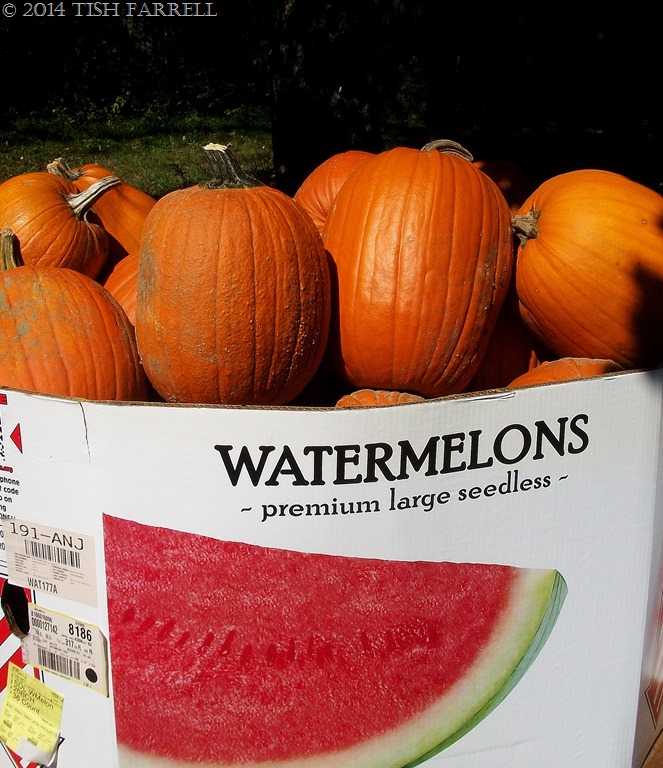
I’ll second that, or even third it. But just to finish off, and continue in the seasonal vein  (since autumn has definitely come to England a month early), this last photo was taken at a farm shop just outside Kennebunkport. It’s the sort of quite understandable confusion that might arise after a beer or two. Chin-chin!

073b


copyright 2014 Tish Farrell


Sunday Stills

giant gwendol makes the wrekin

100_5822


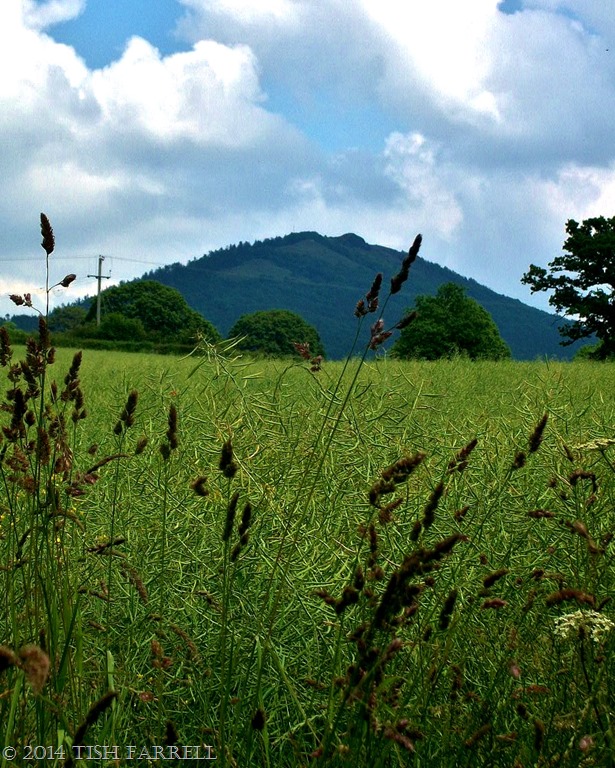
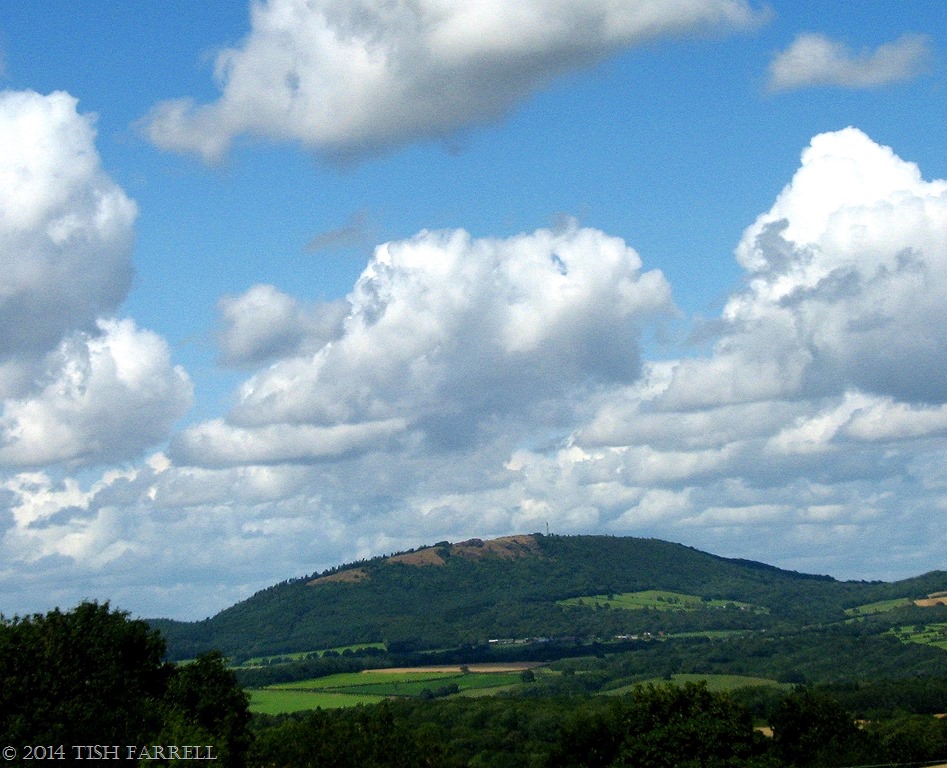
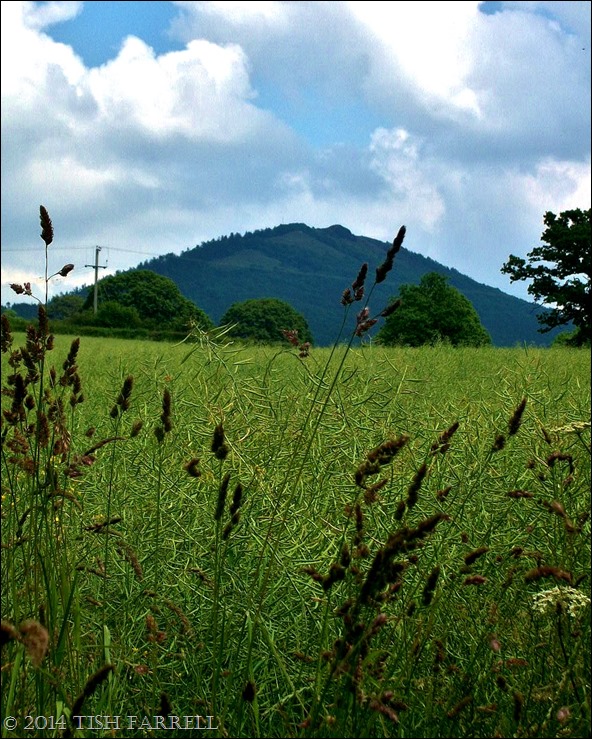
As hills go, The Wrekin (pronounced REE-kin) in my home county of Shropshire is not very high – just over 400 metres (1300 feet) . But then, as estate agents say, location is all, and this is the only big hill for miles around. It rises over a county of farm fields and the flatness of the Shropshire Plain beyond, and thus is a useful landmark when navigating the county’s ancient network of sunken rural roads. It has also long loomed large in local imagination. As with significant natural features the world over, it gives people something to think by, prompting many a tale and joke.

For instance, we have a saying whose usage extends into neighbouring  counties. To go all round The Wrekin means to ramble on for hours before arriving at the point. Hopefully not exemplified in this post. Because yes, I will get around to Giant Gwendol before too much longer. But first some geology. Please don’t groan. I’ll make it snappy.

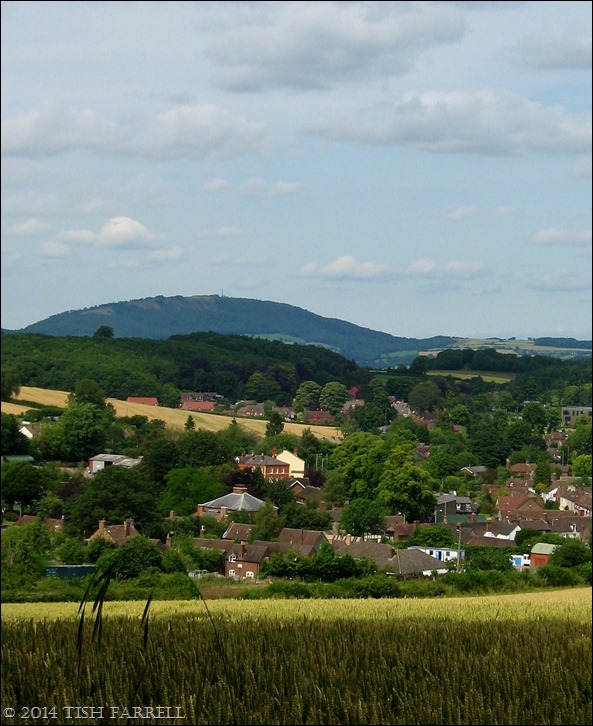
Looking at the photograph above, the first thing that strikes you is that the hill looks like an old volcano, and I seem to remember being told that it was in year 3 geography at secondary school. This apparently is not the case, although it is composed of volcanic rock. The vent that spewed it out is no longer around or visible. This is perhaps worrying. One has to put faith in notions of volcanic dormancy and, since the spewing forth of rhyolites, tuffs and agglomerates took place in the Precambrian some 680 million years ago, we can perhaps rest easy in our beds: Shropshire has had long enough to get over its hot phase. 

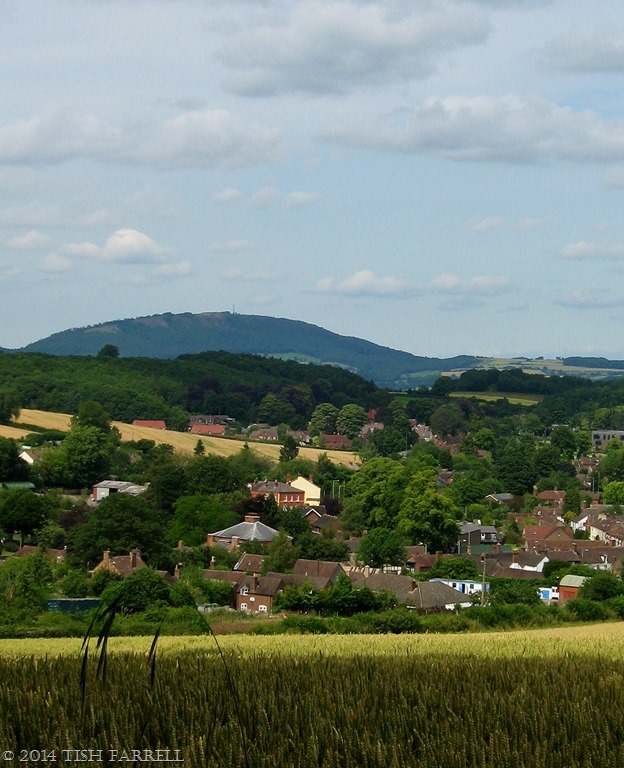
This is also good because as you can see from the second photo, the place where I live, Much Wenlock, is rather close to The Wrekin. The yellow wheat field in the middle ground is behind my house.

But now for the Gwendol story.
IMG_1285


There once was a Welsh giant called Gwendol. For reasons unknown he had conceived a grudge against the mayor and townsfolk of Shrewsbury, in the neighbouring county of Shropshire. Since the town lay within a nearly closed loop of the River Severn, Gwendol came up with a dastardly plan. He would dam the river and so drown the town and all who lived there.

He set off from Wales with a great spadeful of earth to do the deed, and headed for Shrewsbury. He tramped for mile after mile, but somehow lost his way, ending up instead near the town of Wellington. Weary with the search, and from carrying a heavy load, he sat down to rest.

After a time, an itinerant cobbler came walking by. He had walked from Shrewsbury and was heading for Wellington. Over his shoulder he carried a big sack of used shoes for mending.

Gwendol stopped the man and asked for directions. He even told the cobbler his plan to fill in the River Severn and so drown Shrewsbury and all who lived there.

The cobbler was horrified, and especially appalled at the prospect of losing so much trade.

He thought fast.

“Oh dear me,” he told the giant, “that town is so far away. Many days’ walk.” Then he opened his sack of  old shoes. “See,” he said. “I have worn out all these shoes and boots walking from Shrewsbury.”

At this, the giant groaned. “I am too tired,” he said, “to carry my load of dirt that far. I had better leave it here.” And so he emptied it out there and then and, as a parting shot, before setting off back to Wales, he cleaned the mud from his own boots, and so left behind little Ercall, the small hill that stands nearby.

And so now you have the true story of how The Wrekin was born. In fact, for a not very bright giant, I think Gwendol did a pretty good job, landscaping-wise. Also the damming plan would never have worked. Old Shrewsbury town may sit inside the loop of the River Severn, but it is also on a very steep hill. Just as well, though, that Giant Gwendol trudged back into Wales and was never heard of more in Shropshire.


IMG_1364


copyright 2014 Tish Farrell

SOURCE: This tale appears in Charlotte Burne’s Shropshire Folklore 1883. In other versions the Devil is the hill-builder.

Flickr Comments ‘G’ words