How To Look Like A Lord In The 13th Century ~ Build Yourself A Castle

IMG_5164cr

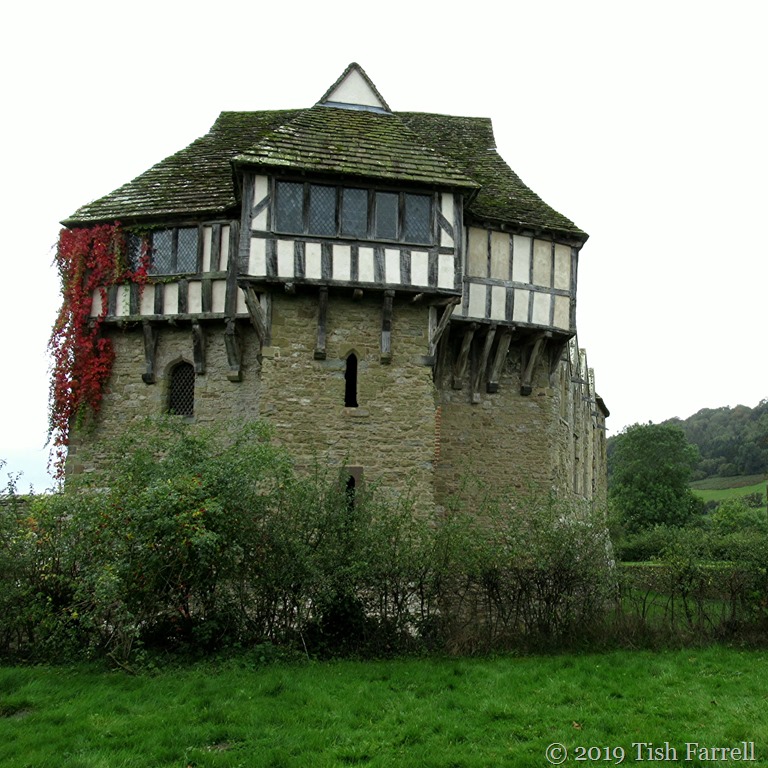
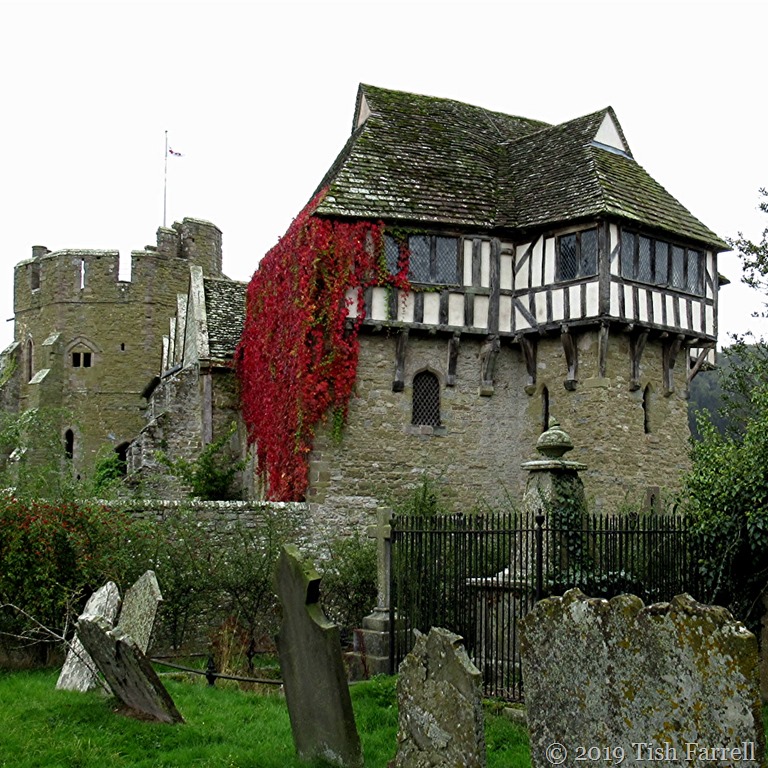
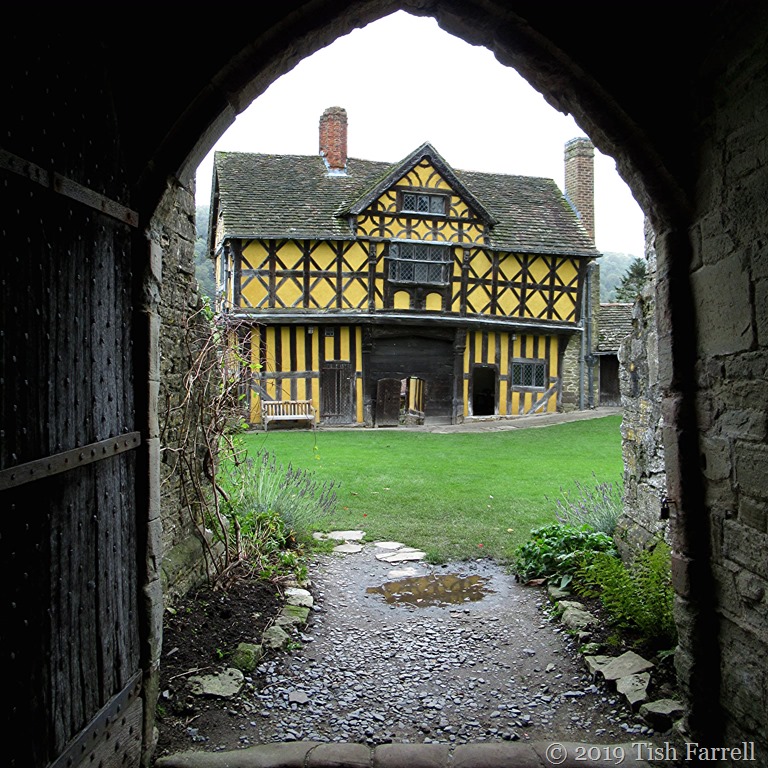
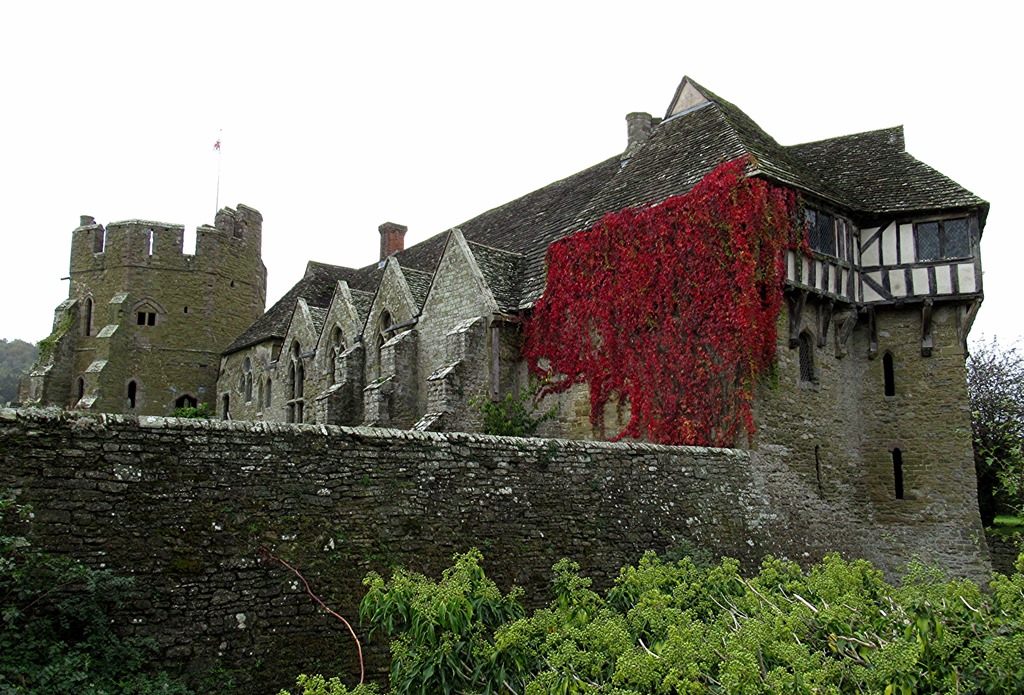
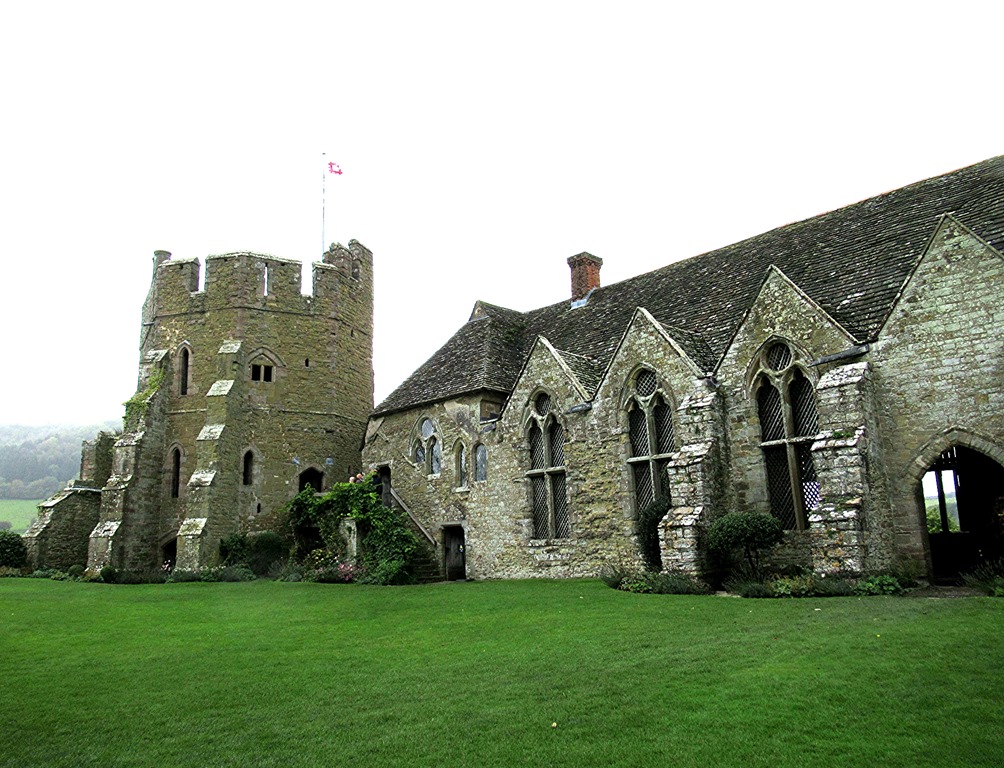
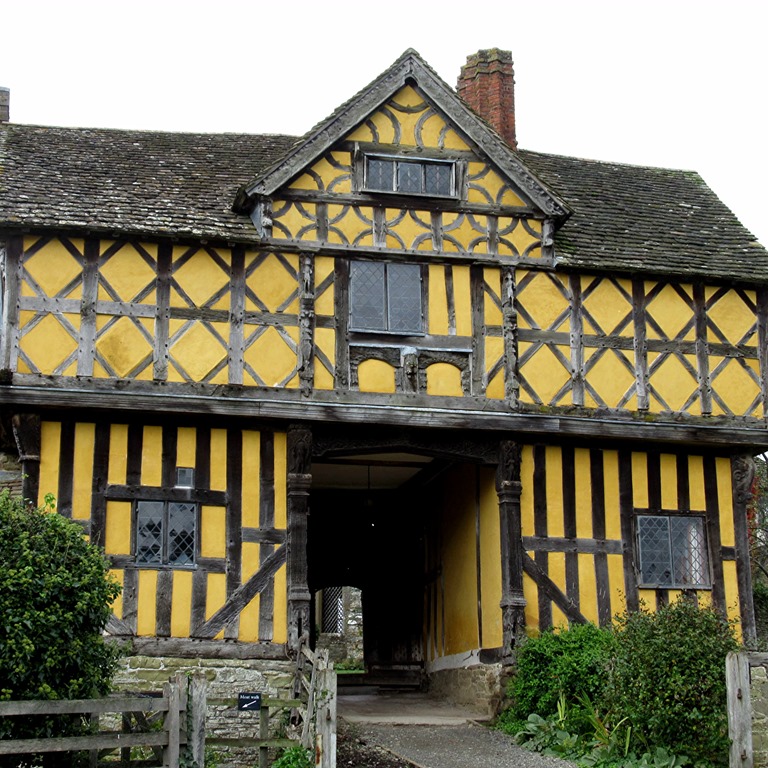
We were here last week with accompanying drizzle (so apologies for the gloomy vistas). This is one of Shropshire’s best loved historic gems – Stokesay Castle near Ludlow. Well, all right. It’s not so much a castle as a fortified manor house, though it does have a very huge moat. And it is one of the best preserved 13th century edifices of its kind in England. Pretty much everything still here was built between 1285 and 1290, and the only substantial later addition is the very impressive timbered gatehouse out front. This was built in 1640, and is seen in the next photo from the doorway of the Great Hall.

IMG_5130

The man who built Stokesay Castle was Laurence of Ludlow, a commoner and tradesman, but one of the richest men in England. Like his father before him, he was a big wheeler dealer in wool, the nation’s main export of the time. He did his trading face to face too, travelling to Europe  – to the Low Countries and to France – operating out of premises in Shrewsbury and in London, selling vast consignments of Shropshire-Herefordshire fleeces which were of the most excellent quality.

His business acumen earned him royal favour. He became Edward I’s financial advisor, and when the king needed funds for his war with France and thought to raise them by seizing all the nation’s wool, Laurence devised a very self-serving cunning plan. ‘Sire, why not triple the tax paid by the wool growers.’ And King Edward did. The wool growers were badly squeezed while the wool merchants got off unscathed. And so when in 1294 Laurence drowned in a sea-storm, en route for Europe to deliver wool and money to the Edward’s allies, there was self-righteous jubilation among the wool producers, or so it was written at the time:

‘Because he sinned against the wool-growers, he was swallowed by the waves in a ship full of wool.’

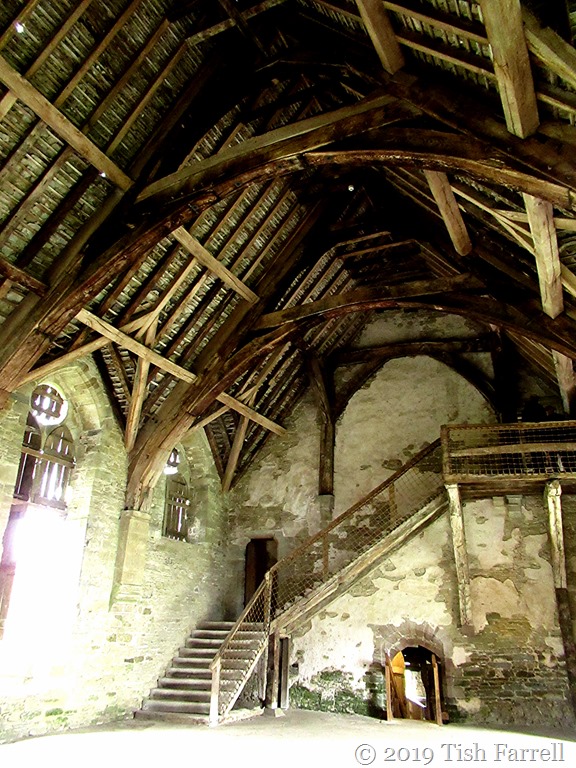
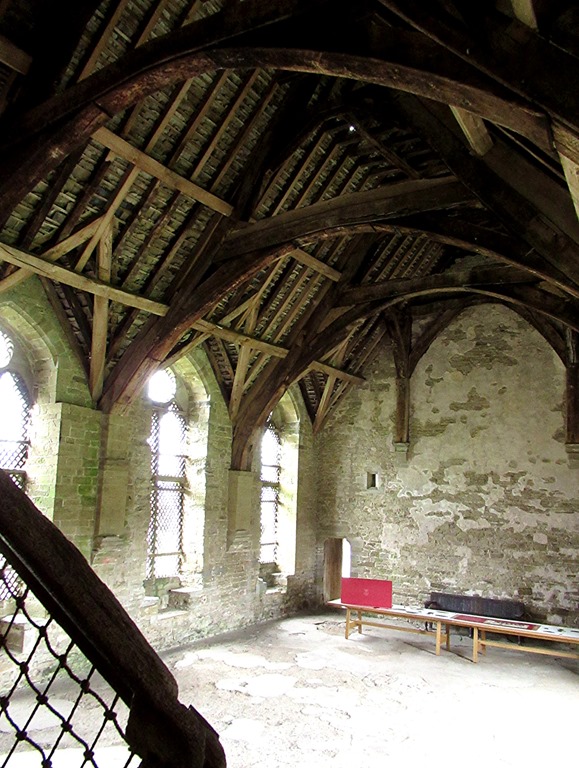
Anyway, here is what Laurence built with his wool money and where his descendants lived for the next 200 years before the house passed into the hands of other families. This is the Great Hall with its magnificent cruck (A-frame) beams. This is where most of the household business (including feasting) would have taken place.

IMG_5119

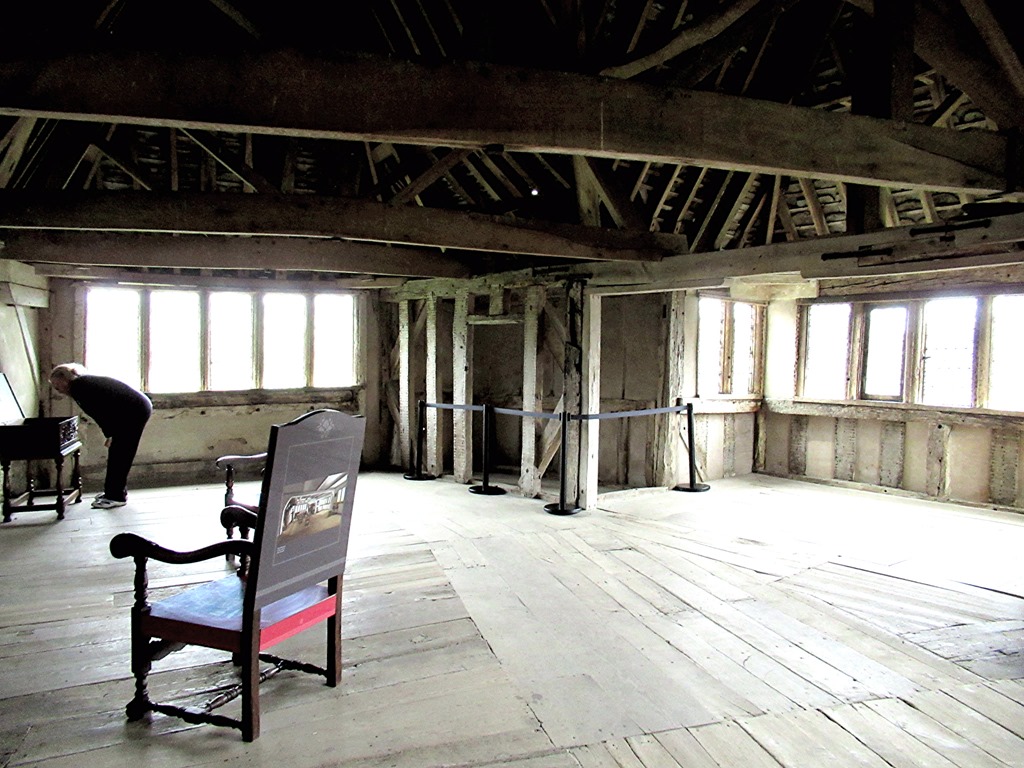
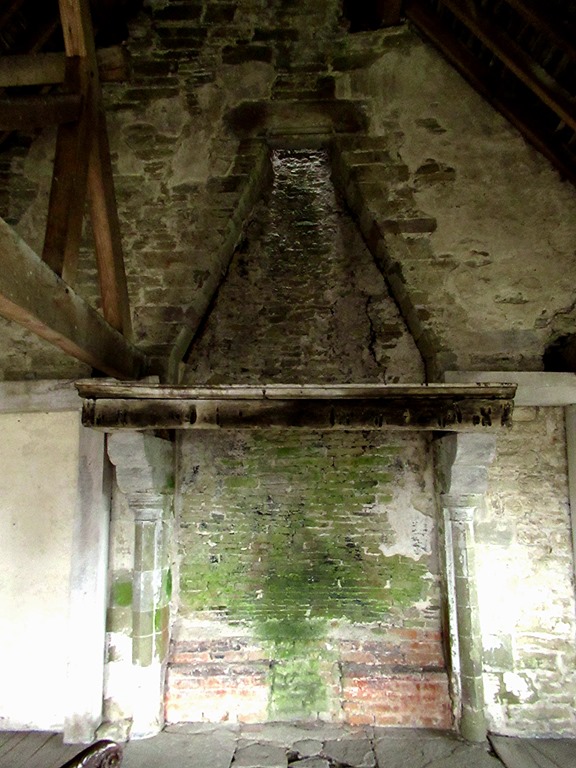
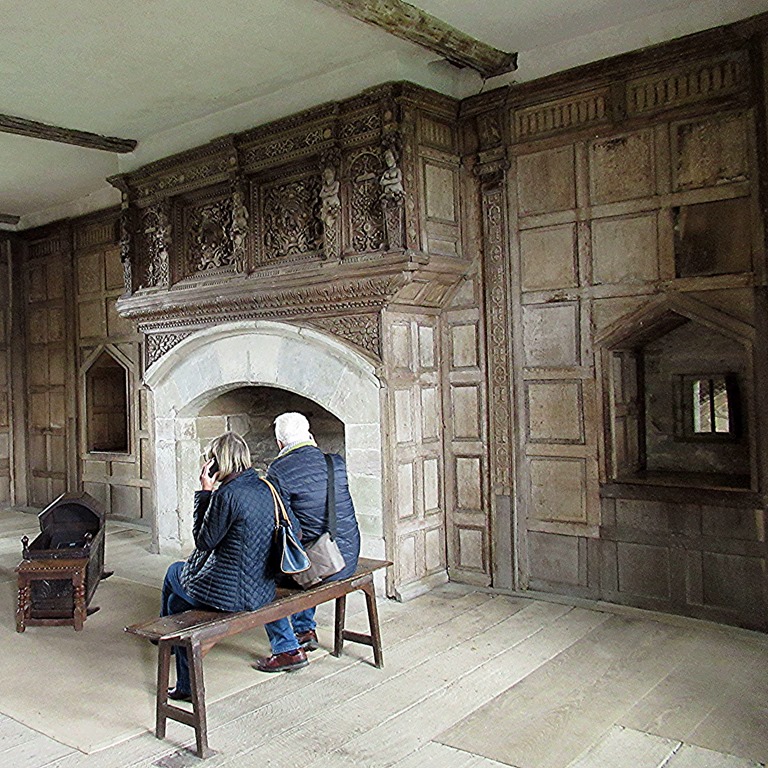
The hair-raising medieval staircase leads up to the timbered apartment seen in the header. This was probably the guest quarters. As you will see, they are spacious premises and once kept warm by a very substantial fireplace, now sadly lacking its 13th century canopy:

IMG_5131

IMG_5132

*

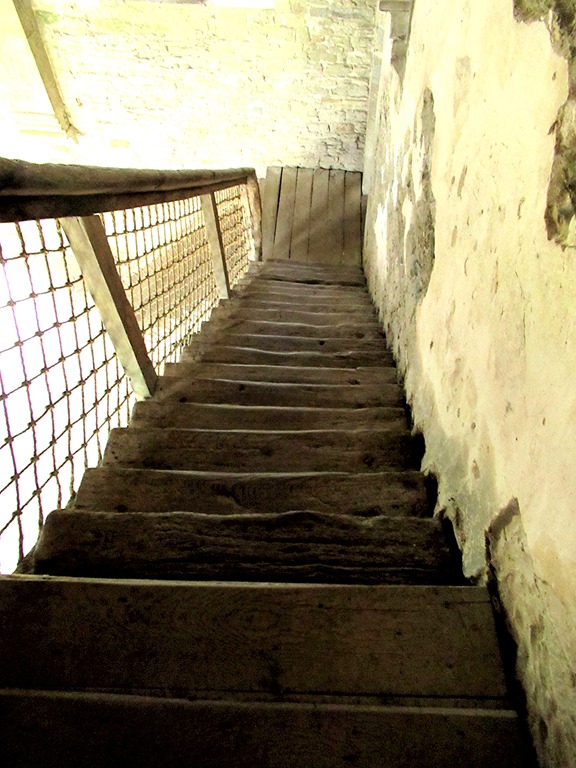
Here are the stairs from the downward perspective. The timbers were dendro-dated to the 1280s.  Anyone who suffers from vertigo should look away now:

IMG_5138

IMG_5125

Back in the Great Hall you must imagine that these windows were probably unglazed but protected at night by wooden shutters. There was a central hearth with no chimney, and so the smoke would have hung about in the rafters. The small window above the doorway allowed the ladies of the house to keep an eye on things from the privacy of the solar (coming up next).

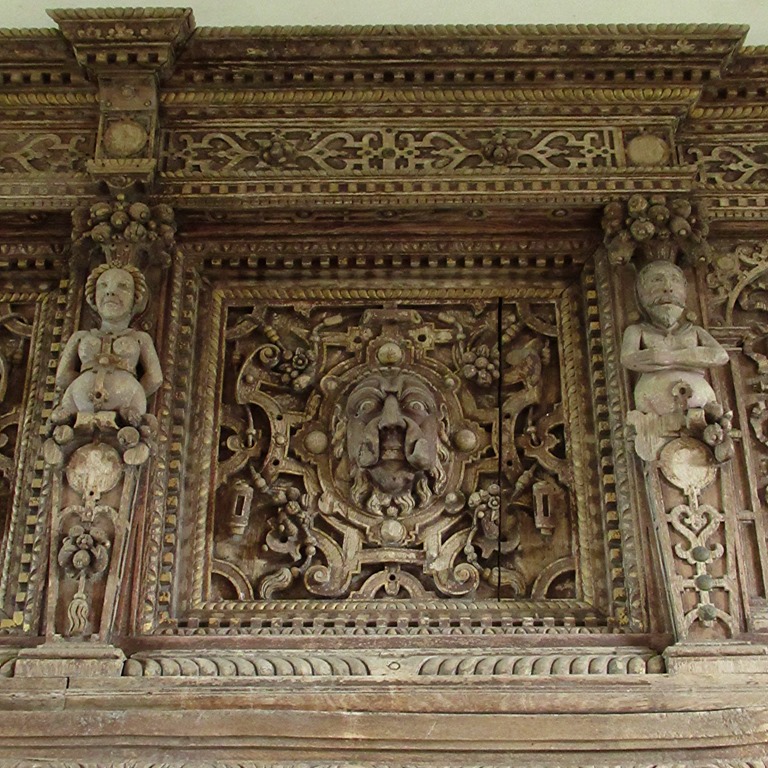
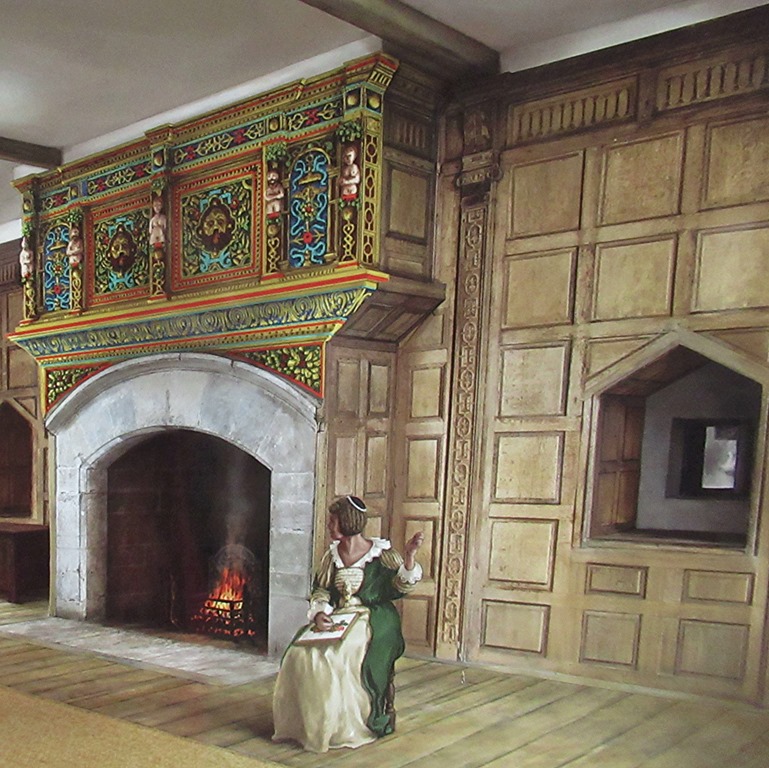
The solar was ‘done up’ in the 17th century with the addition of some very fine panelling and a very extraordinary over-mantel above the fireplace. Not at all the sort of thing you’d expect in a polite drawing room, nor the garish decoration of the original carving that English Heritage have re-created in one of the room’s interpretation panels.

IMG_5101

IMG_5098

IMG_5102

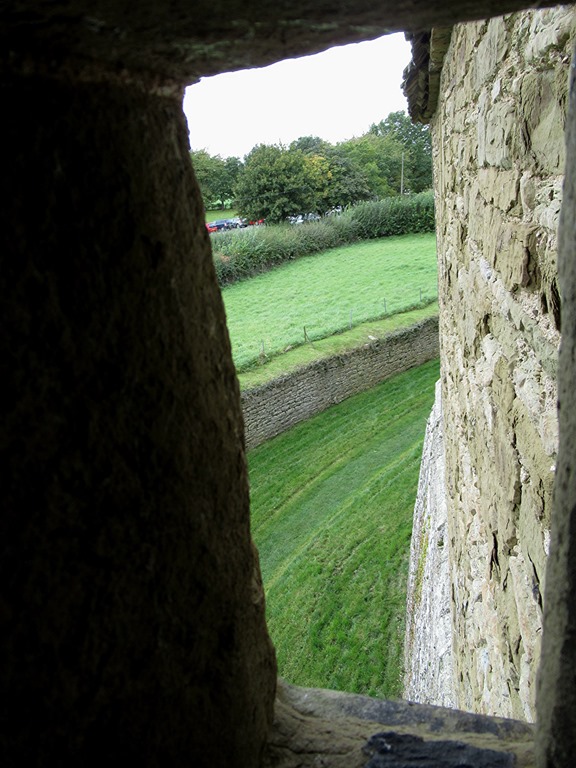
I always find myself quite interested in the toilet facilities. I think I spotted two garderobes or privies on my way round. Usually in castles and big manor houses the outflow simply went out through the external wall, dropping into the moat, or over the ramparts. At Stokesay one of the loos has a very fine view of the moat, now waterless. A draughty experience I should think.

IMG_5105

IMG_5156

IMG_5147

IMG_5079

Stokesay is in the care of English Heritage

Line Squares #22


Wenlock Priory ~ Ruined Lines

IMG_3759

It’s almost always the case with things on your doorstep: you forget to visit them, or even to appreciate their handy existence. I’ve known Wenlock Priory for over half a century which possibly adds its own miniscule historical dimension to this most ancient Shropshire site. Anyway, a few weeks ago I took myself off there for a long-postponed visit. It’s only a short walk down the Cutlins path past the MacMoo clan. I quite enjoyed playing tourist in my own town.
The photo shows the remnant south aisle of the once vastly prestigious monastic edifice built in the 12th century CE to house monks from their mother foundation in Cluny, France. But then that’s only half the story.
We need to wind the time-machine clock back another thousand years. The Romans were here too, though what they left behind has been hard to interpret: villa, bathhouse, shrine – all, or only one of these. The remains anyway survived into Saxon times and were apparently repurposed in the building of a double convent i.e. for both monks and nuns (in separate quarters). This work was commissioned by King Merewald of Mercia (basically the English Midlands) in the 600s CE.

His daughter Milburga (later to be sanctified and made pilgrimage-worthy) served as abbess once she had been sufficiently well educated over in France. Her two sisters were also similarly educated to be abbesses of other religious houses. Their mother too, left Mercia and her marriage, to become abbess down in Kent. Such positions entrusted to royal woman allowed them to control extensive landed estates along with their agricultural and mineral assets, as well as to look to the spiritual welfare of the land’s lowly inhabitants.

Over succeeding centuries, Milburga’s convent underwent various phases of redevelopment. When the Normans arrived in the 11th century the site was re-dedicated to the Cluniac (monks only) monastic order. But after the finding of what were believed to be Milburga’s bones in 1101, the priory received a very big upgrade, along with a saintly shrine and the patronage of the King of England. So began the era of pilgrim-tourism and the up-sprouting of Wenlock town to cater for the influx. In fact two of our well-loved public houses – the George and Dragon and the Talbot  have their origins in these times. So much history then in one small place. So many long-established ties with Europe. Makes you wonder what our forebears would have thought of Brexit.

IMG_3779

Doorway from the south aisle to the now roofless cloister.

*

For Historic England’s schedule summary of the Priory’s history please go HERE.


Cee’s Black & White Photo Challenge: Indoor walkways, hallways, elevators

Line Squares #19

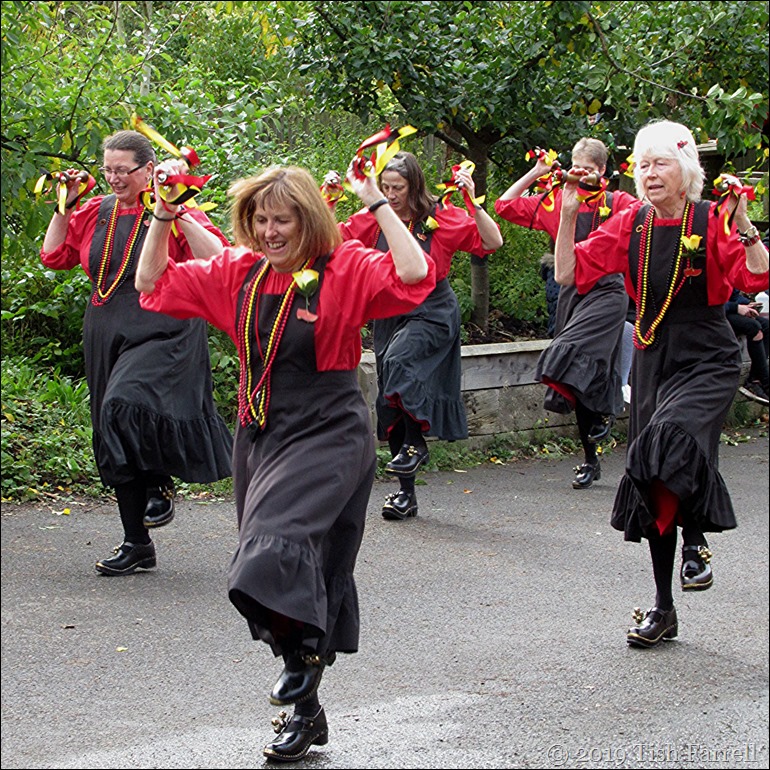
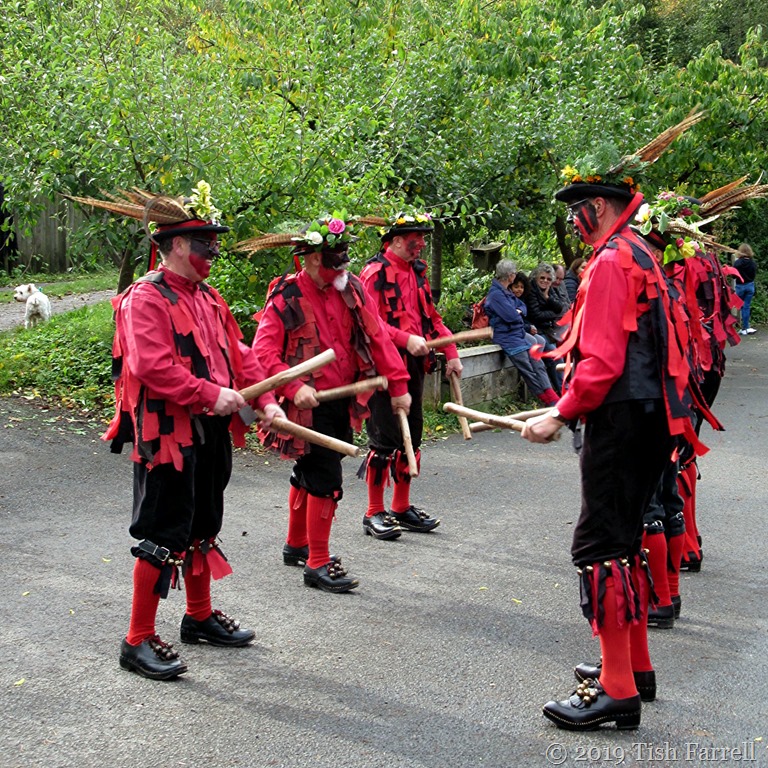
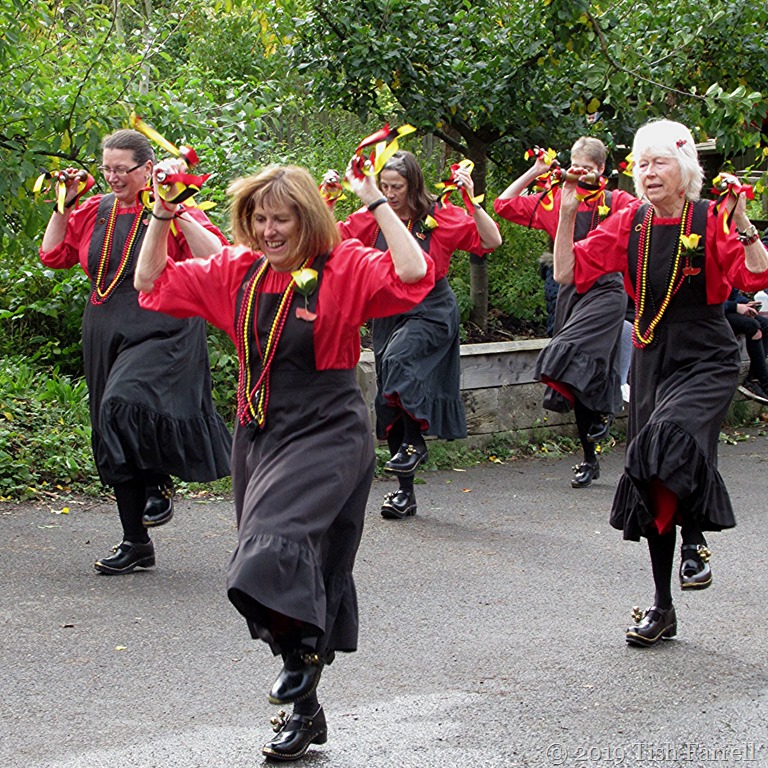
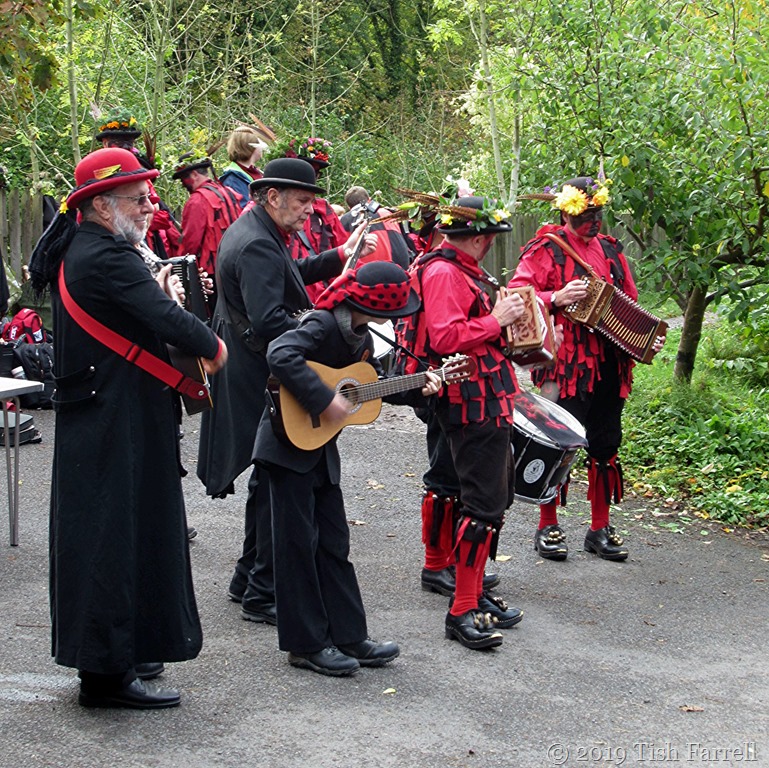
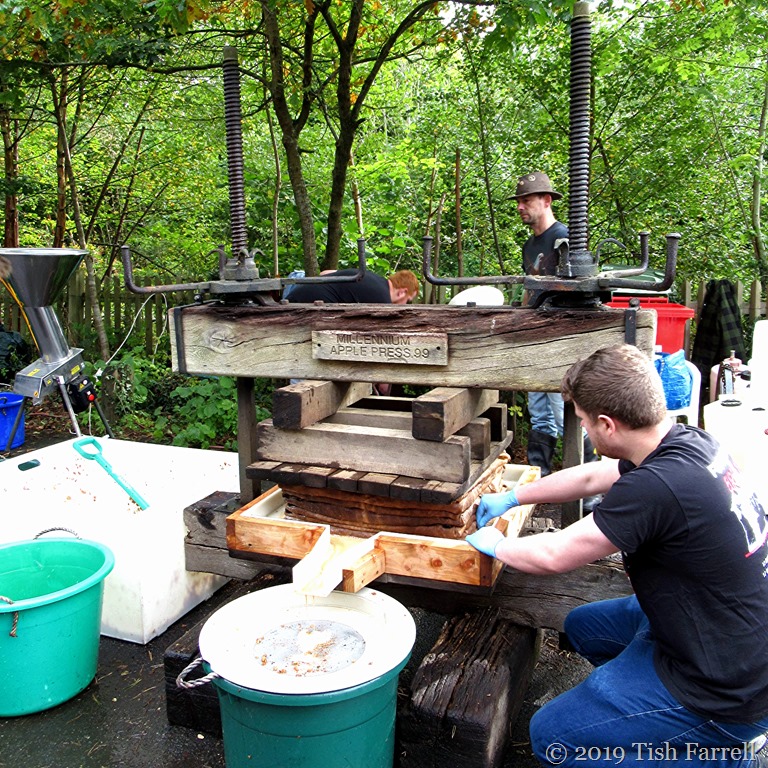
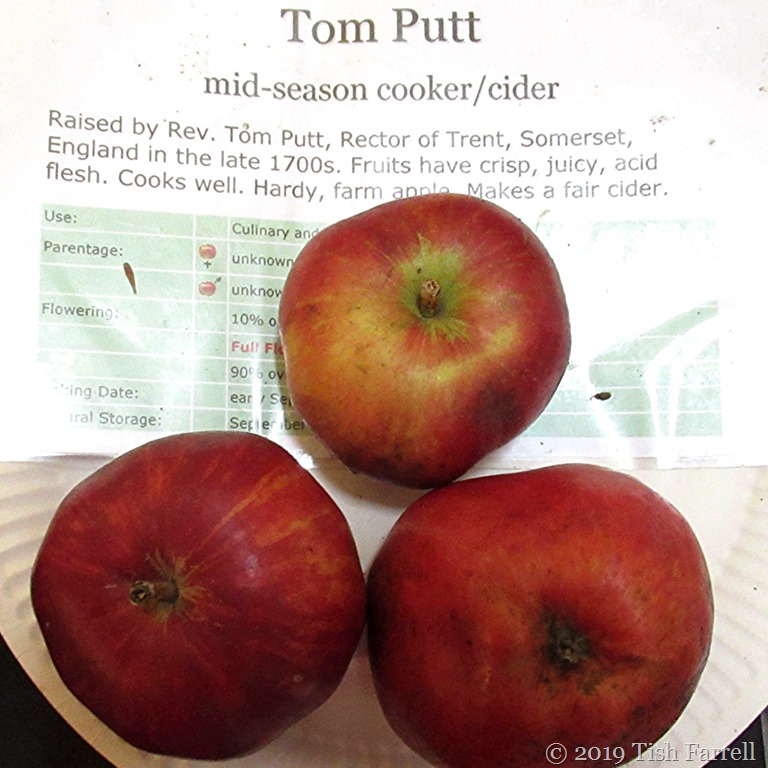
Sticks, Clogs, Ribbons And Bells ~ Yesterday Was A Big Hurrah For Apples At Coalbrookdale’s Greenwood Trust

IMG_5179

The Ironmen lining up.

And the Severn Gilders Morris doing their stuff:

IMG_5172

While the band played:

IMG_5170

And apples were pressed:

IMG_5183

And unusual varieties identified:

IMG_5175

And home-made cakes and roast pork buns scoffed, stories told, local makers’ wares displayed, and all matters relating to trees and woodland widely shared, and then bottles of fresh-pressed juice to take home…

IMG_5196

And all in celebration of the apple whose magnificent variety and native seasonal range has been much undermined since the advent of supermarkets which managed to reduce a possible choice of 750 cultivars to half a dozen. But things are changing. Old apple trees are being rediscovered and nurtured, and orchards replanted. Nor could there be a better time to be planting them. Trees absorb carbon and we need to plant three trillion fairly fast. Apart from which, there is much to be said for the old saying: an apple a day keeps the doctor away.

Line Squares #13

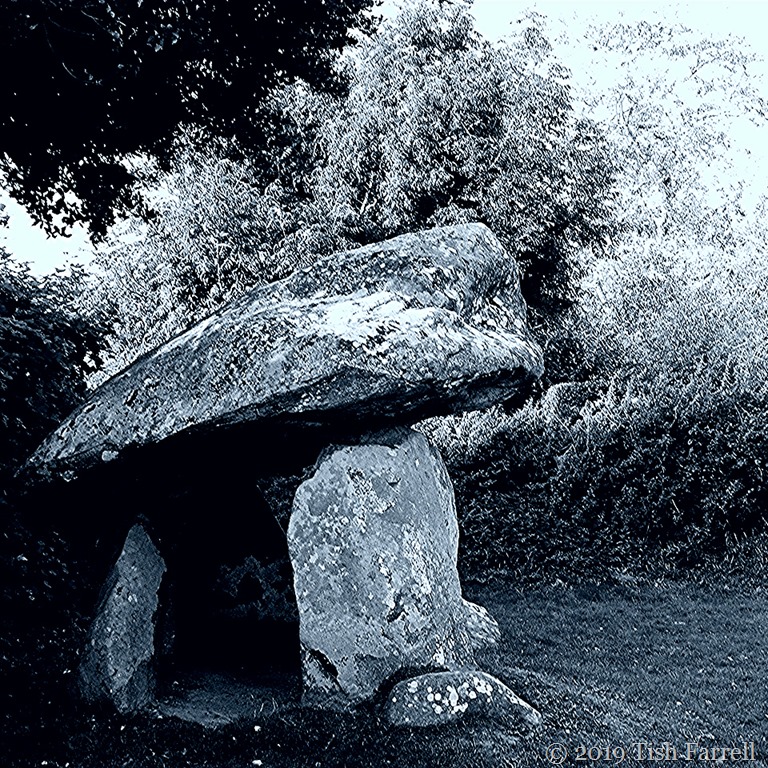
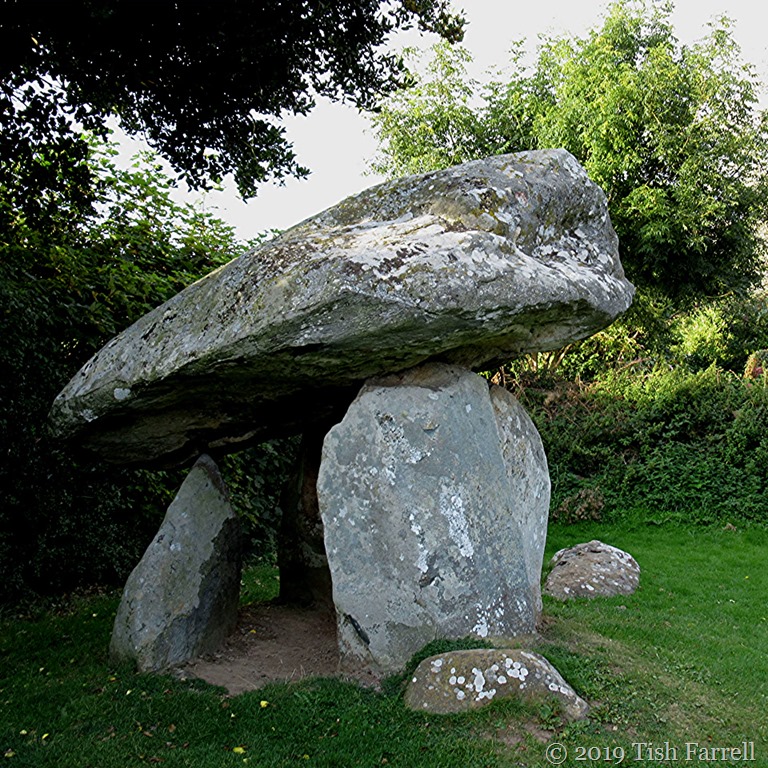
More Ancestral Lines ~ Carreg Coetan Burial Chamber

IMG_4335

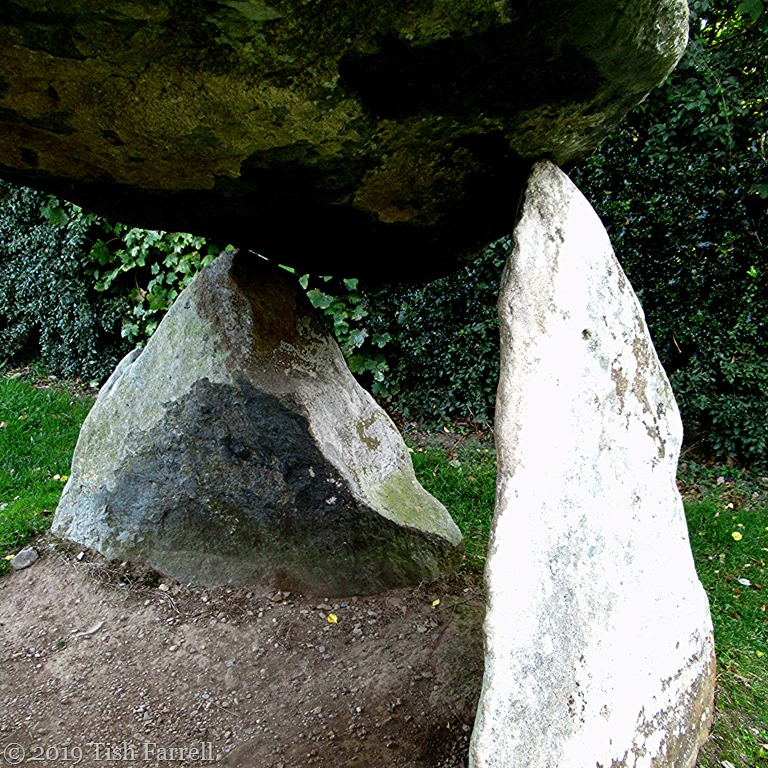
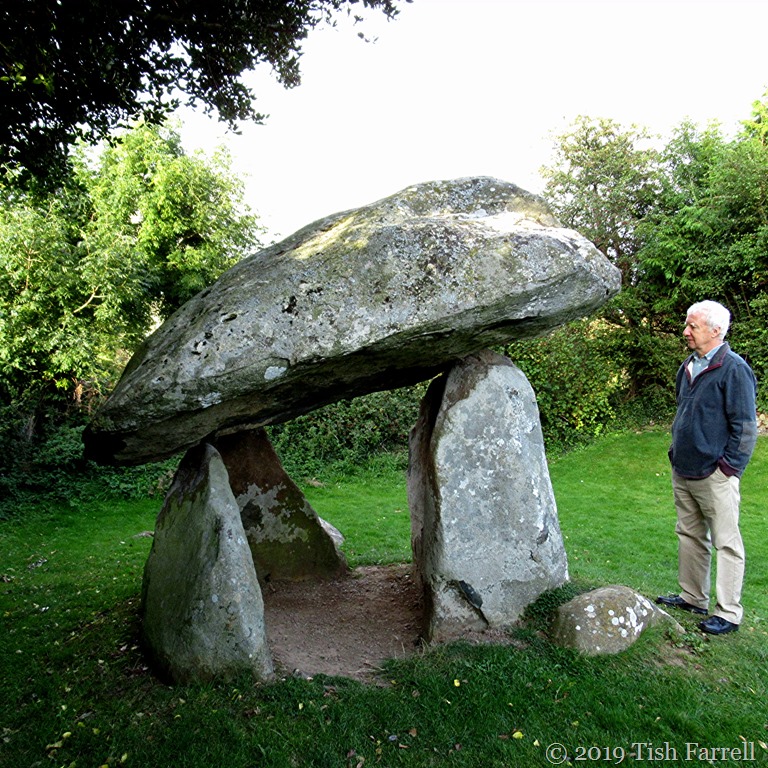
The remaining stones of this ancient burial chamber sit in their own grassy sanctuary amid a little enclave of holiday bungalows in Newport. The Cadw noticeboard (the official Welsh heritage service that cares for such monuments) says it was built around 6,000 years ago. Long ago excavations inside the tomb uncovered cremated bone, stone tools and pottery belonging to the Neolithic period. These days the huge capstone balances on only two of the four upright stones. Once, too, the whole structure would have been covered  by a mound of earth as at Pentre Ifan.

IMG_4337

IMG_4339

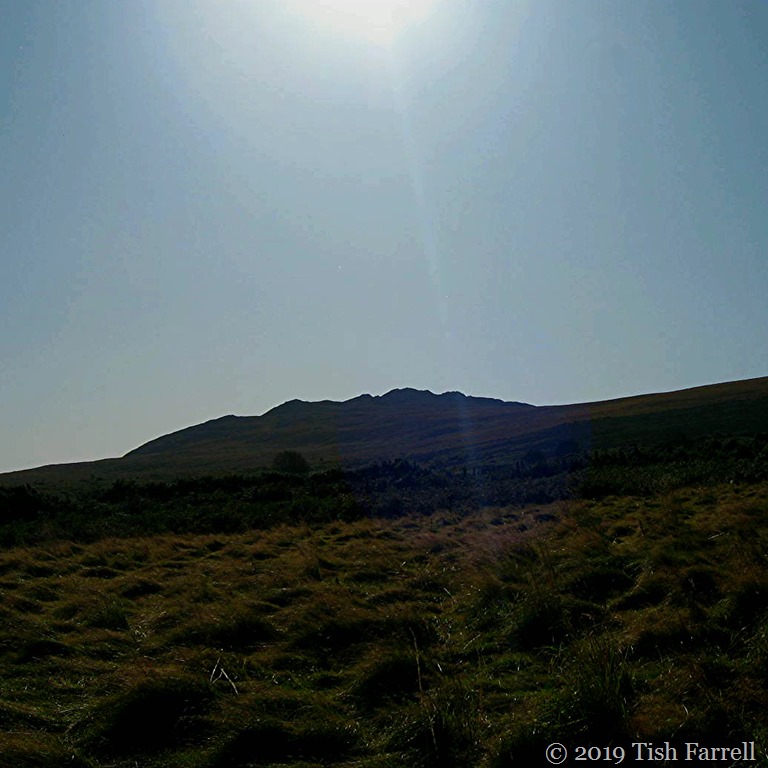
Carreg Coetan is one of several similar tombs along the River Nevern valley, all lying in sight of the craggy top of Carn Ingli mountain. That it survives now so well embraced by 21st century domesticity is either heartening or incongruous depending on your view. I rather like it. It reminded me of Brittany and coming upon a similar burial chamber that had been incorporated into the structure of a farmyard shed, the capstone providing a substantial door lintel, and elsewhere a long barrow whose gallery served as the crypt for a village church built in medieval times. It could anyway be timely to tap into some ancestral thinking. I feel they might tell us to review our values and pdq.

IMG_2967


Line Squares #10

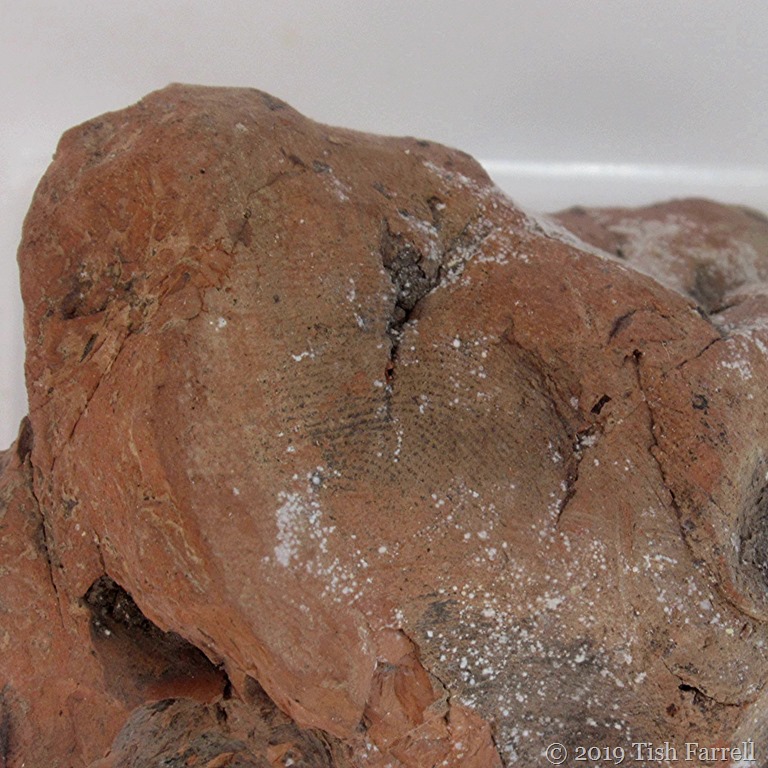
Who Needs CSI Forensics? Though You may need your Glasses ~ A Welsh Potter’s Thumbprint circa 1530

IMG_4827

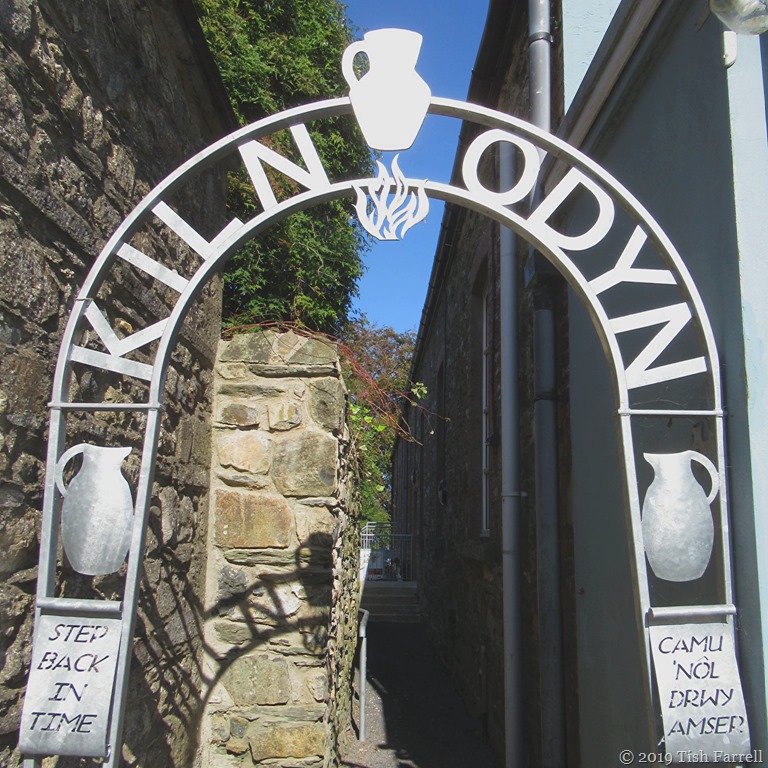
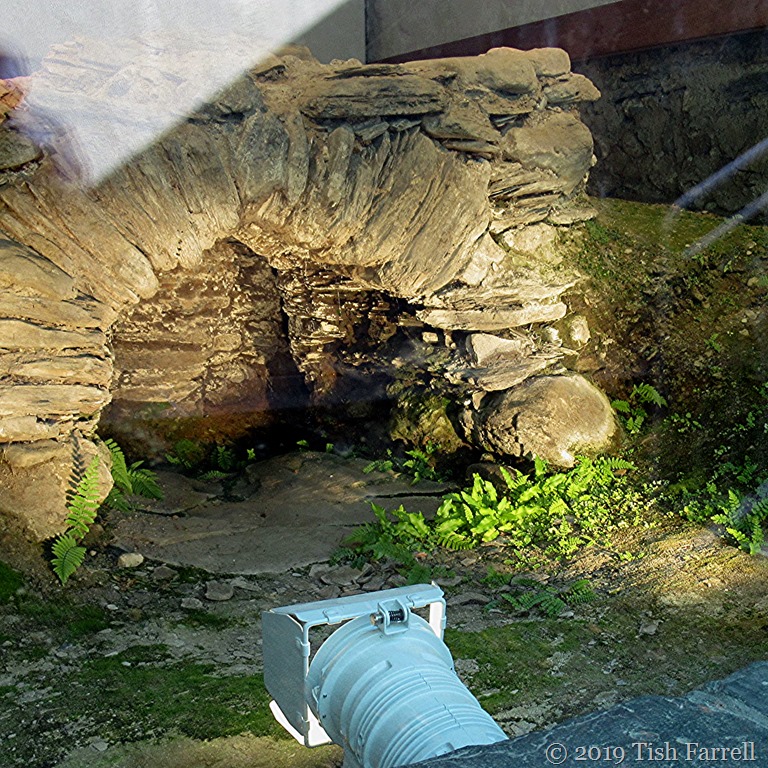
It was an extraordinary find, so tucked away. For a couple of days we’d been reading the signs to Kiln Odyn, but the message had not been sinking in. And then it did. And off we went – a short walk from the Castle Inn where we were staying, and up a little alley beside the old Memorial Hall and there it was: the best surviving medieval pottery kiln in the United Kingdom.

Stranger still was the story of its discovery. In 1921 the people of Newport began work on the building of a Memorial Hall in remembrance of community members who had died in the Great War. In the midst of digging the foundations, builders uncovered two medieval kilns. The National Museum of Wales was alerted. Its director, Dr. Mortimer Wheeler, so-called ‘father of British archaeology, was swift to ensure the site was preserved. This included having the National Museum put up the £20 he said was needed to adapt the building plans and so keep the archaeological site intact within the new Hall’s basement. A trap door would provide access to the remains..

IMG_4852

And so it remained for nearly a century until 2016 when the community decided the Memorial Hall facilities were badly in need of an update. There followed a scheme of creative refurbishment and a grant from the Heritage Lottery Fund, which meant the kilns, by now a Scheduled Ancient Monument, could also be re-excavated, conserved and put on permanent view. All it took was the installation of a very big window in the side of the building and some heavy-duty spotlights.

IMG_4810

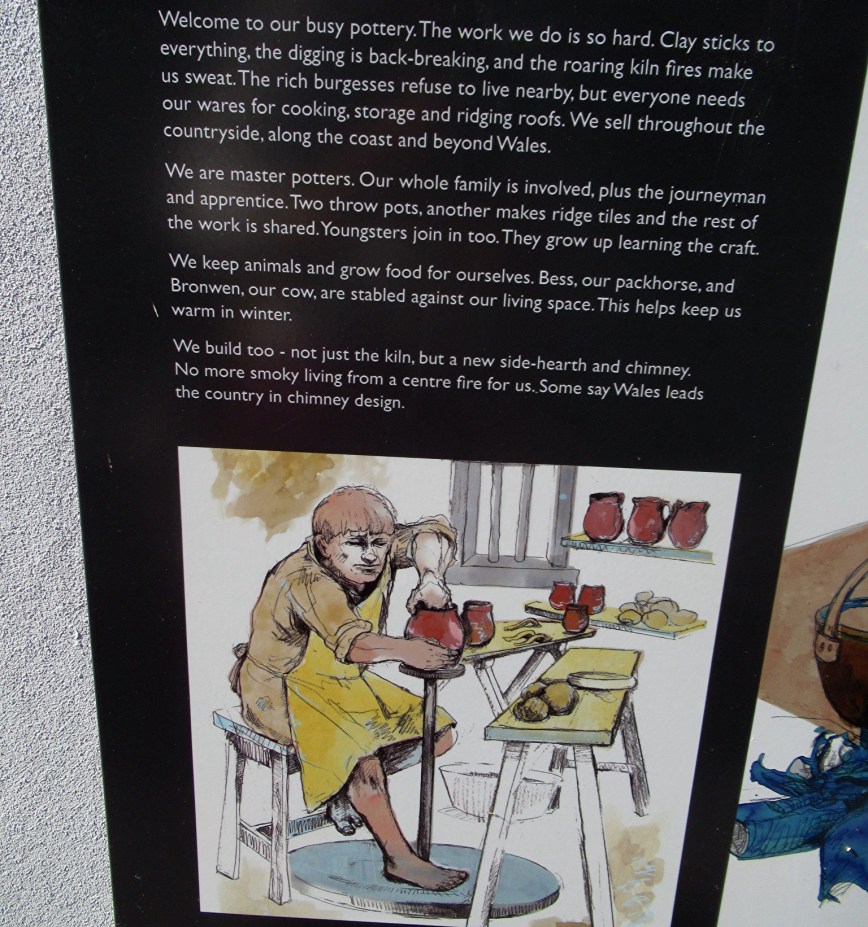
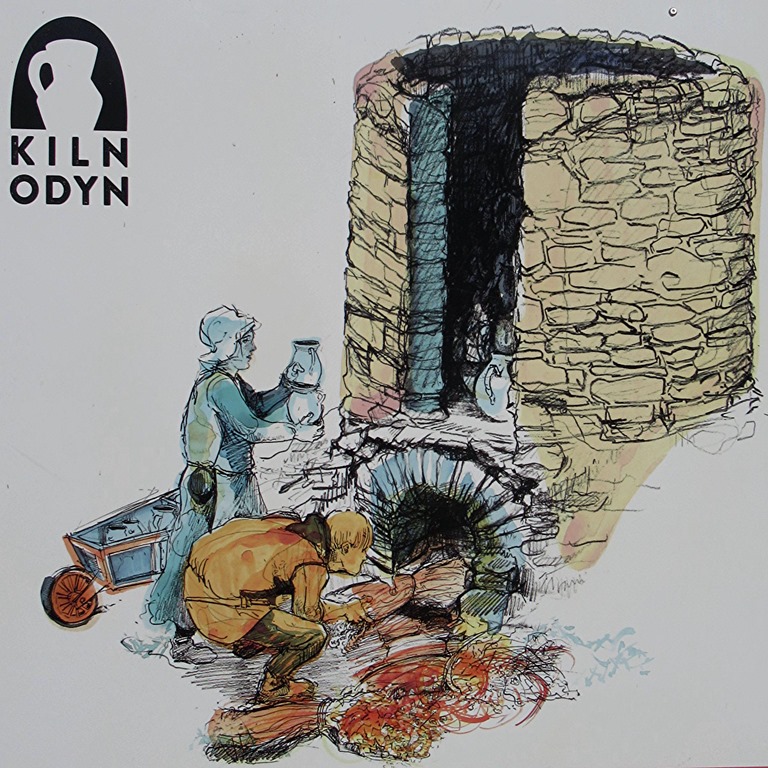
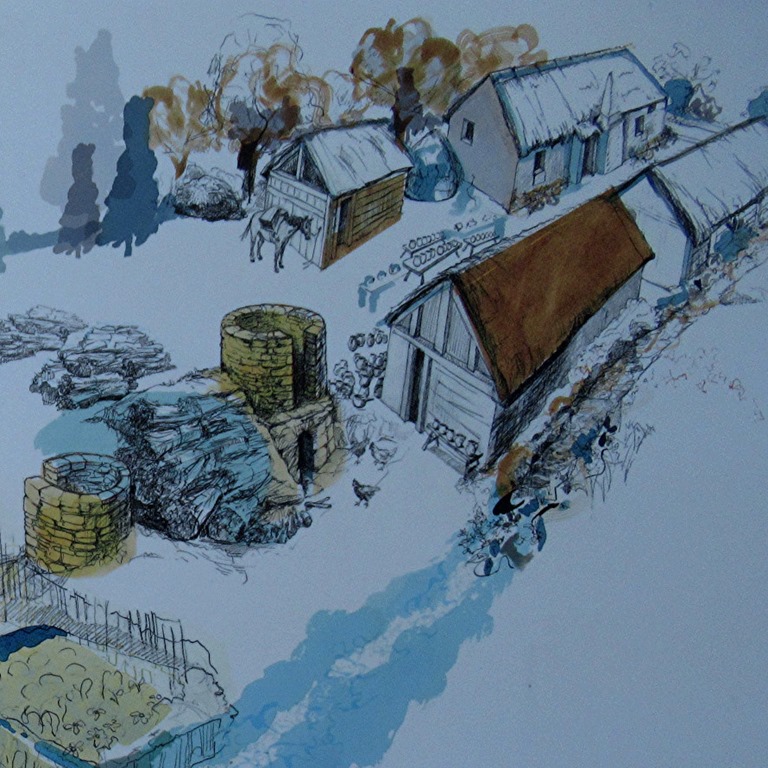
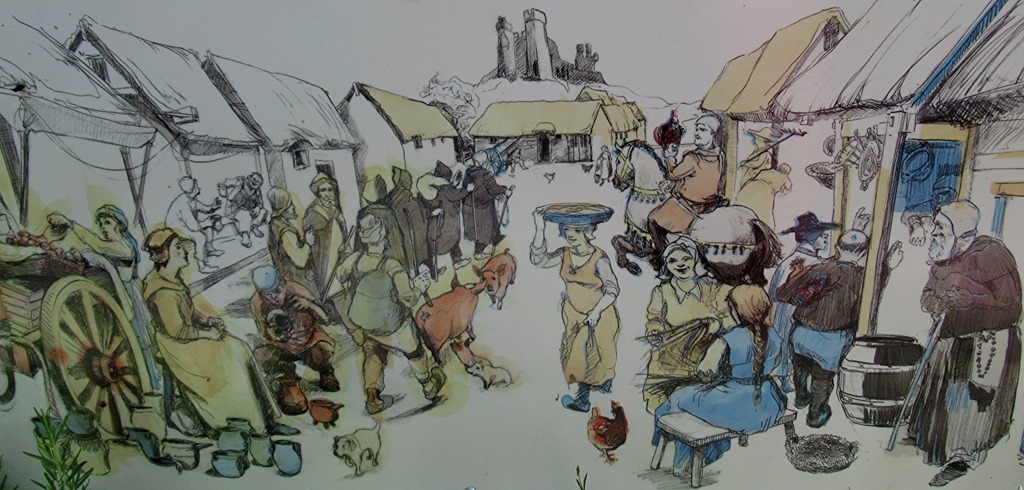
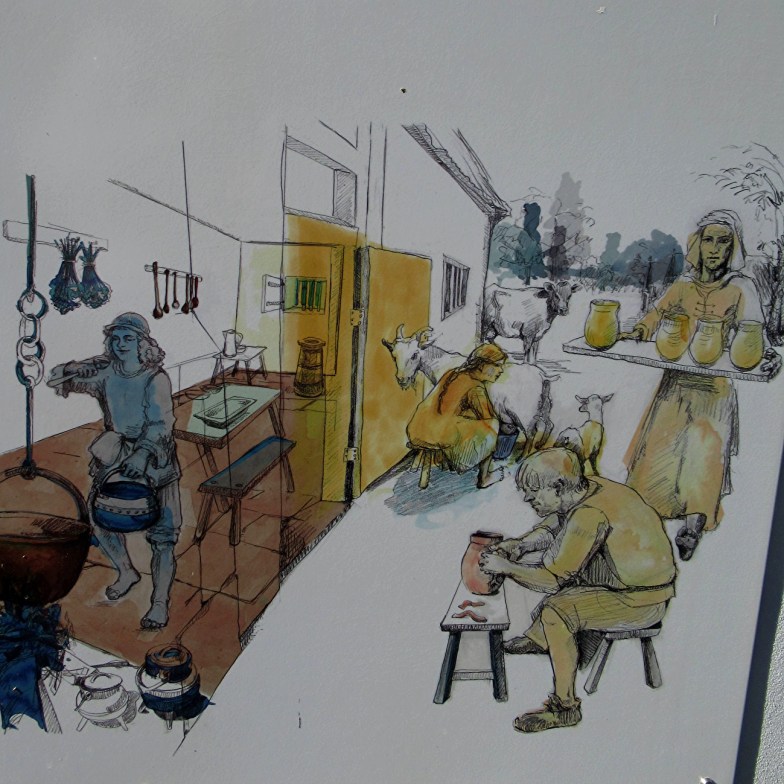
Also added were some very thoughtful outdoor information panels designed by students of Carmarthen College. Their artwork brings medieval Newport to life. We meet the master potter and his family and see how they might have lived and worked.

We’re also told what a busy market town Newport would have been during the lifetime of the kilns (c1470-1530); not only a port exporting goods, which may well have included the jars and jugs from the pottery, but also a stopping place on the pilgrims’ route to St. David’s in south Pembrokeshire. And in 1485 we are also told there was a very particular event: Henry Tudor passed by the town, and what a sight that would have been – an army 2,000 strong, marching on to Bosworth to win the English crown and found a new royal dynasty. One of the panels further conjectures that the potter’s son might have gone off to join the army, escaping the hard work of digging, potting and firing for the thrill of battle and adventures in foreign parts.

IMG_4805

IMG_4806

IMG_4828

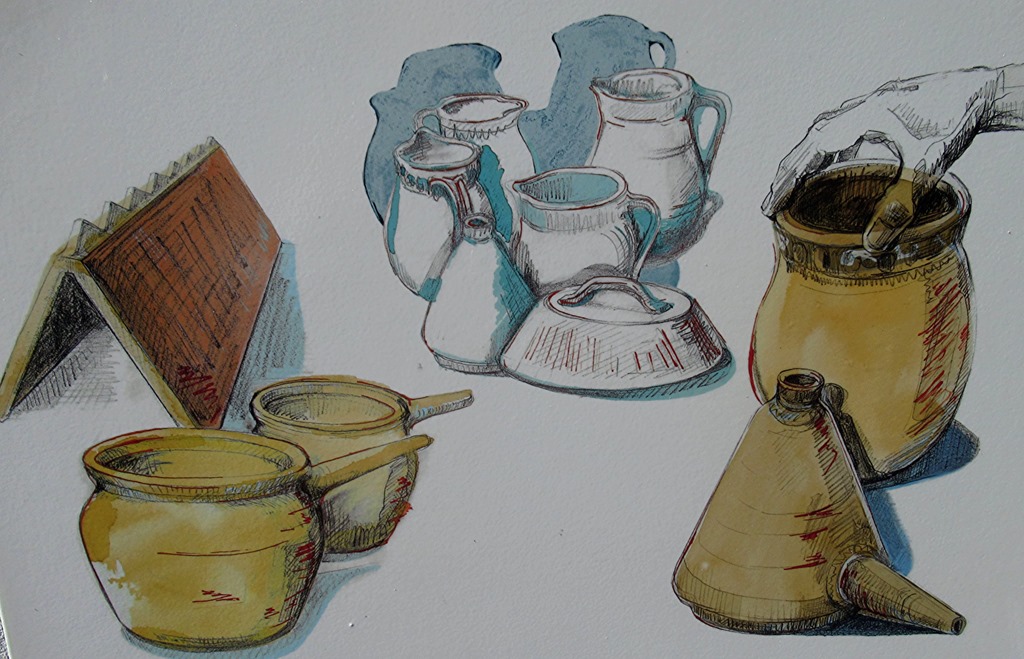
Kiln Odyn produced high quality domestic wares of the day: cooking pots and pitchers, alembics for lotions and potions, ridge roof tiles for high status buildings. The work, from digging the clay to selling the pots would have involved the whole family, skills passed down the generations. The Lord Marcher, who owned all the lands, took his cut of the potter’s profits instead of charging him rent.

IMG_4851

Credit: artwork by the students of Carmarthen College.

Accounts of the 2016 archaeological excavations HERE and HERE and some details about the pottery shards recovered with reconstructions of jars and jugs HERE

Line Squares #9


What Next: A Cloud Of Herring?

Once it was said the hauls of  herring landed at Fishguard were so great that the fields of West Wales were spread with the excess catch. And if this sounds balmy, decomposing fish would make a good (if environmentally expensive and pretty maloderous) fertiliser. When I read this I then remembered that the farmers of the great Inca Empire of Peru were said to do a similar thing. Before planting their maize seed, they dibbed a hole and dropped a fish in first to feed the growing plant. I’m assuming it wasn’t a fresh one that could otherwise have been eaten.

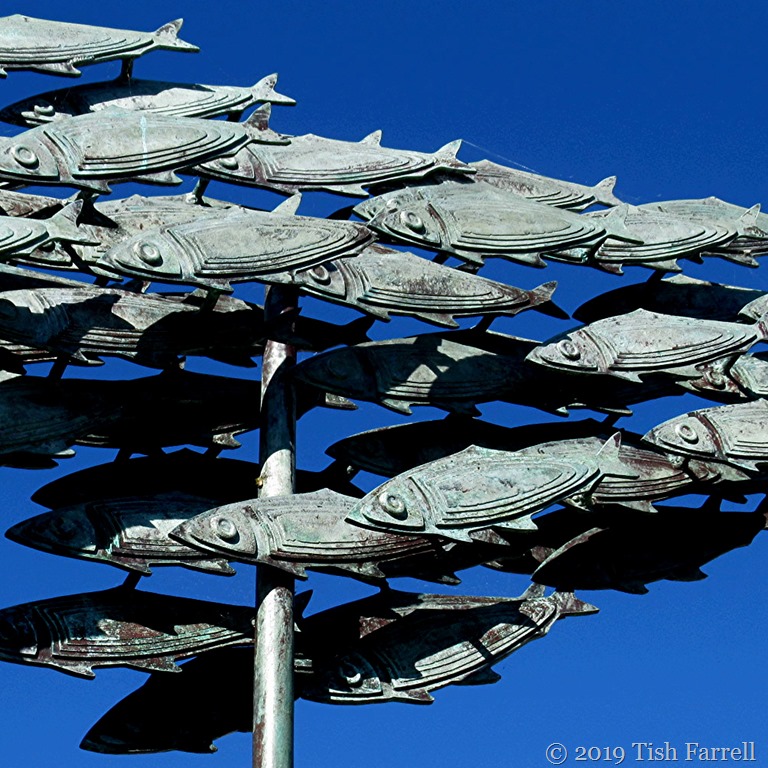
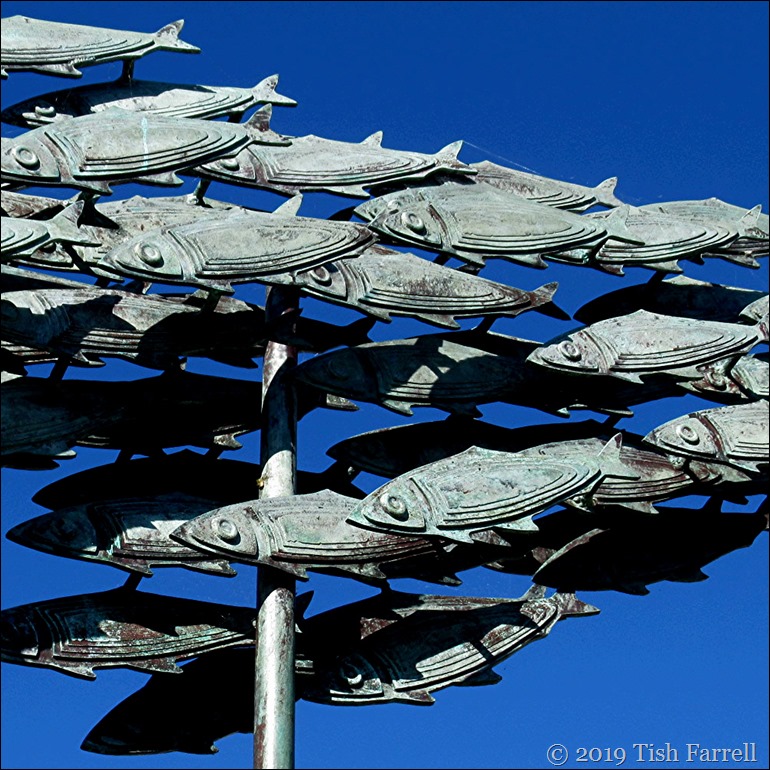
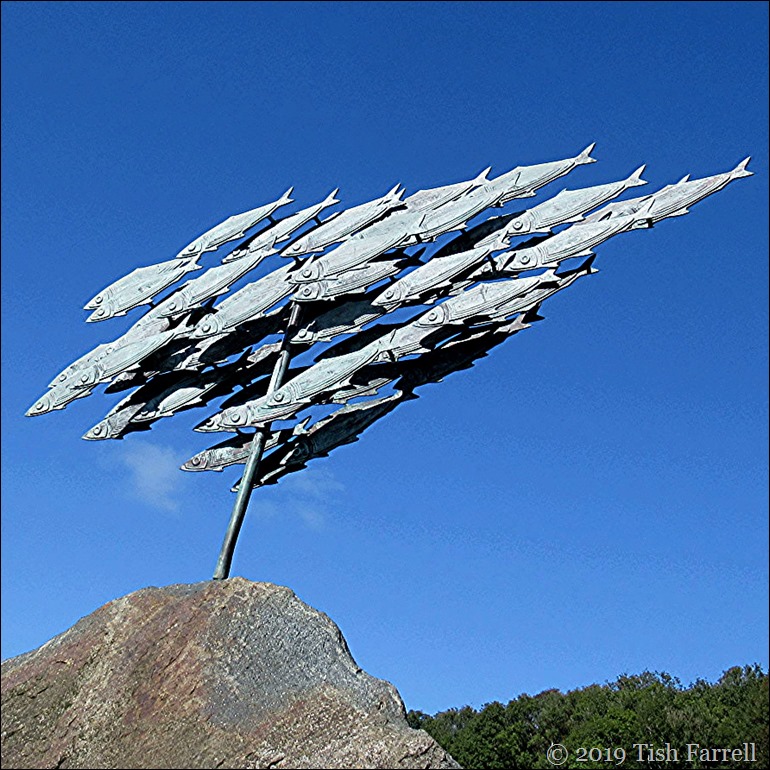
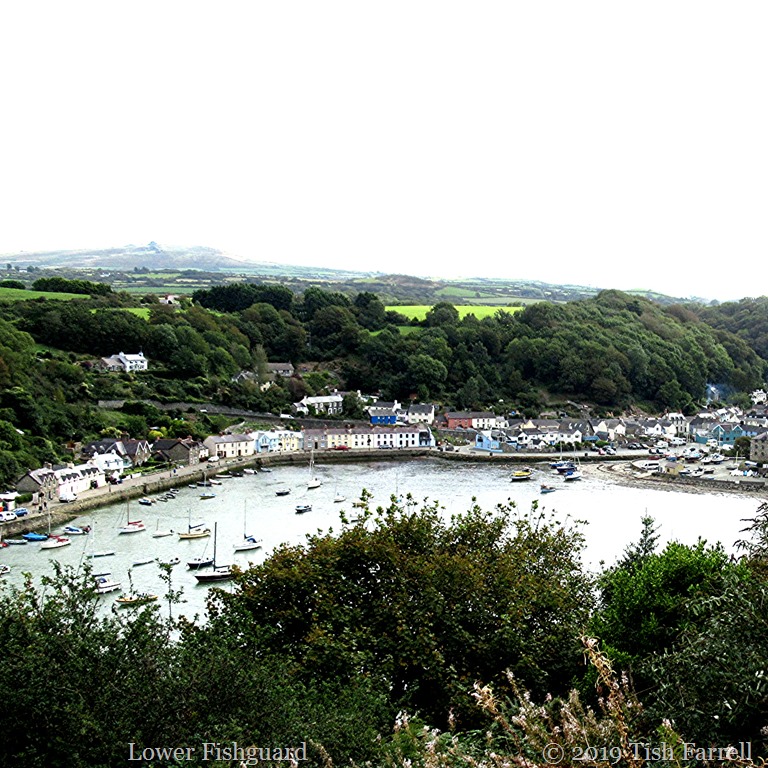
The sculpture (maker not credited) sits beside the harbour in Lower Fishguard and commemorates the town’s rich herring days. The trade was already established by the 900s CE when the Vikings, who spent a lot of time raiding Wales and Ireland, left off pillaging for a bit of fish buying.  These rapacious sea-raiders called the little inlet Fiskigarðr  and this, according to the town web page, means ‘fish catching enclosure’ in Old Norse. The name Fiscard in fact hung on for centuries after the Vikings were long gone, and only Anglicised at the end of the 19th century. The Welsh name is of course quite different, and probably these days more geographically useful. Abergwaun means the mouth of the Gwaun River.

The herring industry scaled reached industrial heights in the late 18th century. Fifty Fishguard coastal vessels were bringing in catches that were sold in Ireland and the English ports of Bristol and Liverpool. Oats were the other main export, the crop doubtless well fish-nourished on the fields of the West Wales hinterland. It now becomes clear why the town’s shipping was targeted by the American privateer Black Prince in 1779 (see previous post). It looked like the town would be good for £1000 ransom fee. But then looks can be deceptive.

IMG_4452

Line Squares #5

Six Word Saturday

A Line Of Defence ~ Fishguard Fort

IMG_4500

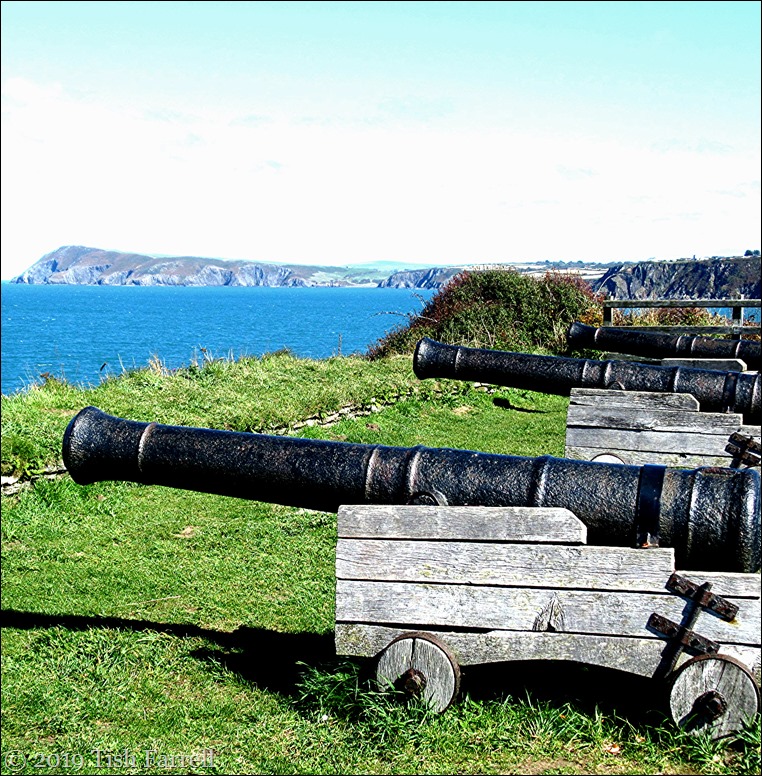
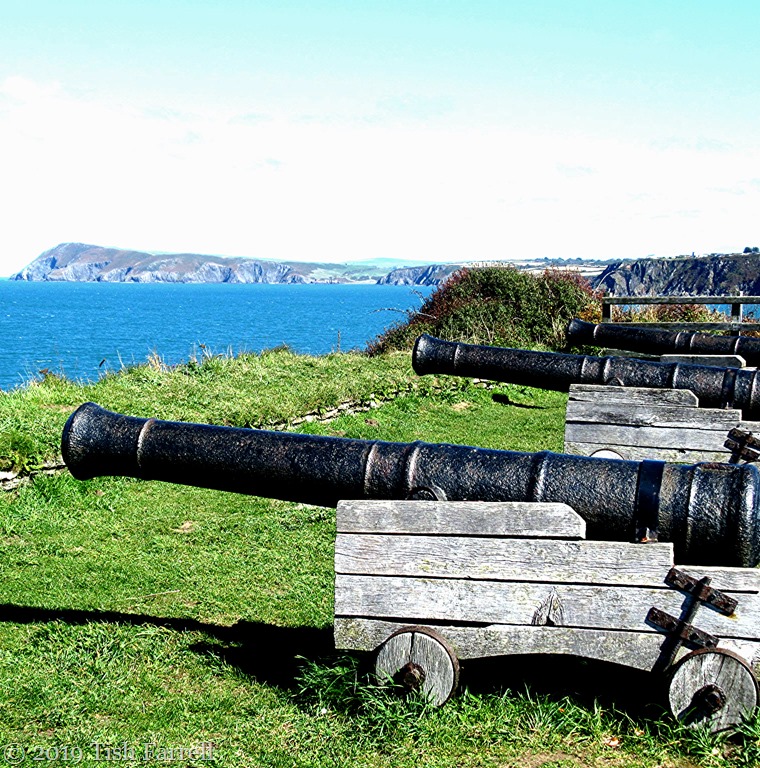
As defensive promontories go, it could not be better, eight 9-pounder guns set in a fan formation to protect the bays off Fishguard. The guns were in place too in February 1797 when the forces of republican France invaded nearby. (See previous post for ‘the last invasion of mainland Britain.’) Warning blanks were fired from the fort as soon as one of the invader ships was spotted approaching Fishguard, but thereafter it played no part in defending town from the invasion. There are various accounts as to why this was, one being the place was short of cannon balls.

The young commander of the local Fishguard Fencibles and Newport volunteer infantry, Thomas Knox, was at a party when news of invasion reached him by messenger.  He had bought his commission and never seen action and so, thinking the invading force too large to handle, he decided the best course of action was retreat south with his men towards Haverfordwest and there meet up with reinforcements.

He thus left Fishguard to its fate, ordering the fort guns to be spiked, an order that was in fact refused by the three invalid Woolwich gunners appointed to man the fort’s heavy ordnance. On the road, Knox met up with Lord Cawdor and his forces coming the other way, and after a dispute as to who was in charge, Lord Cawdor marched on with their combined manpower to Fishguard  and victory.

IMG_4521

In fact Fishguard Fort never does seem to have had much of a military function. It was finally built in 1781 to defend the town after an unfortunate incident that took place in 1779. It was the time of the American War of Independence when attacks on British shipping was considered fair game. An American privateer, Black Prince, captured a local ship and held it for ransom, demanding £1,000. When the townspeople refused to pay, the Black Prince bombarded Fishguard, damaging St. Mary’s church and some of the houses.

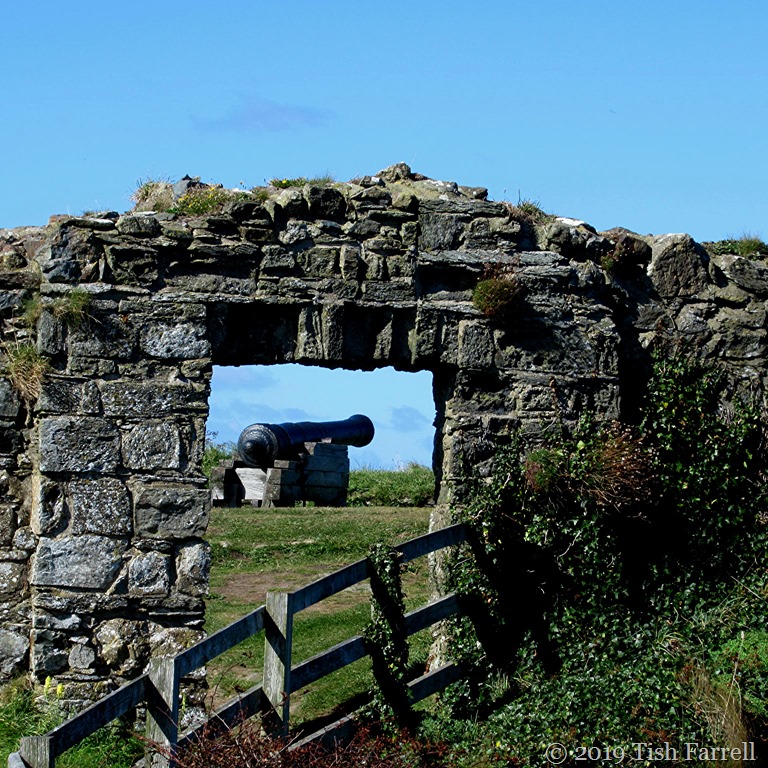
One account then has it that a local smuggler, sailing a much smaller vessel, moved in on the privateer and opened fire until the Black Prince departed. After that it was down to Sir Hugh Owen, Lord Lieutenant of Pembrokeshire, who decided to buy the piece of land on the promontory and finance the building of a small fort. But by 1815, and the end of the Napoleonic Wars, the fort was already falling into ruin. And so it remains.

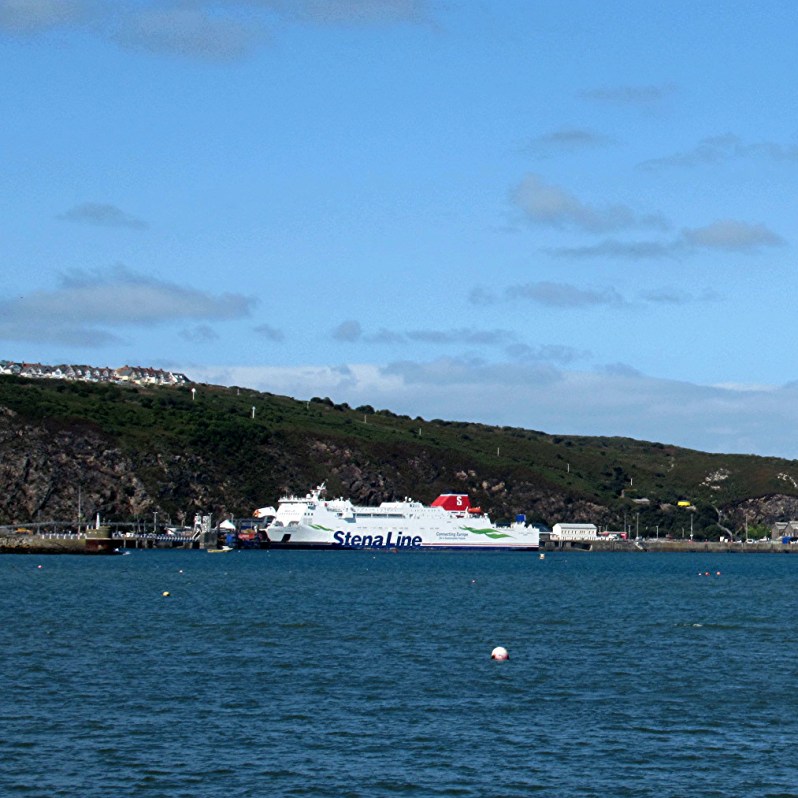
Today it is a very excellent look-out point for some coastal viewing along the Pembrokeshire Coastal Path. For one thing you can watch the coming and going of the Stena Line ferry from Goodwick Harbour, the four-times-a-day departures and arrivals between Fishguard and Rosslare in the Republic of Ireland, filling the heart with thoughts of voyaging.


Line Squares #4

A Stitch-in-Time-line? AKA ‘The Last Invasion Tapestry’

IMG_4431

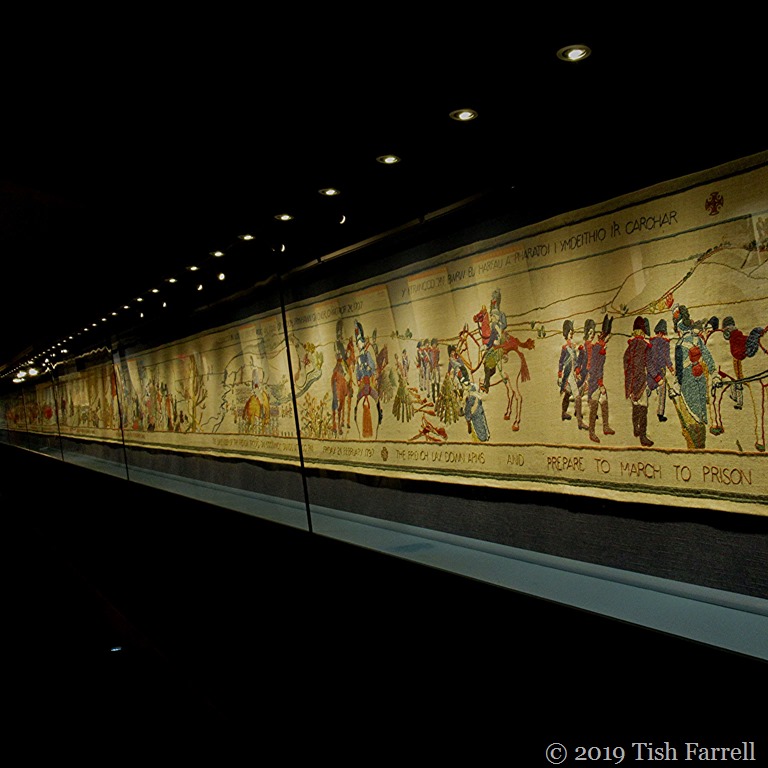
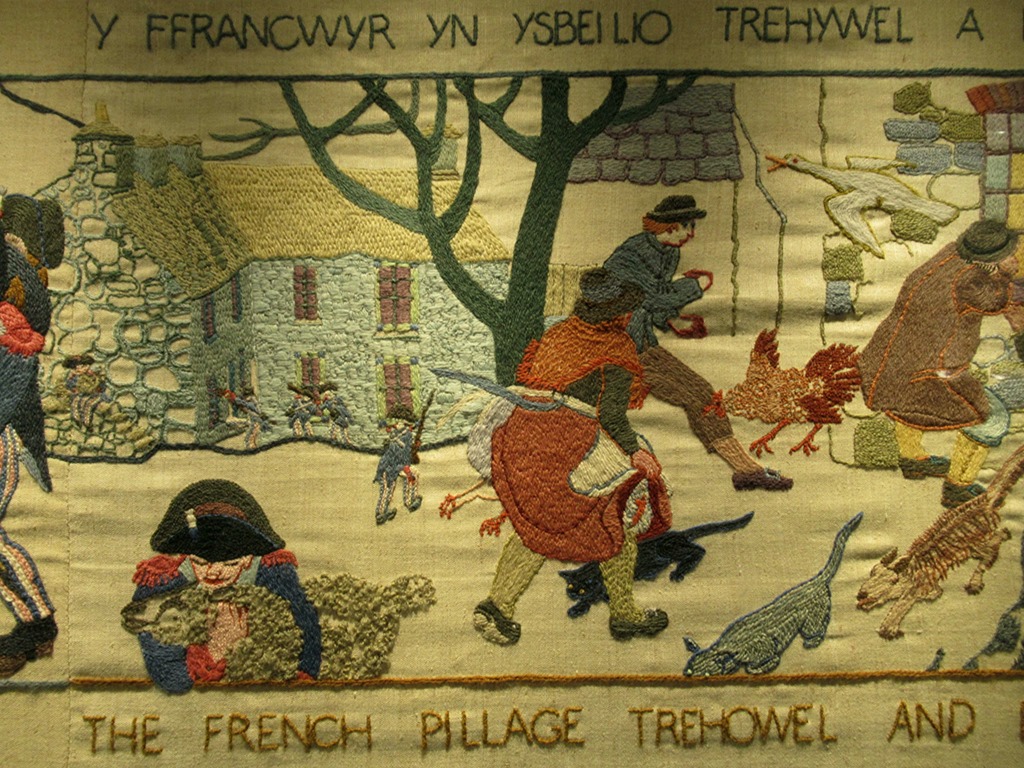
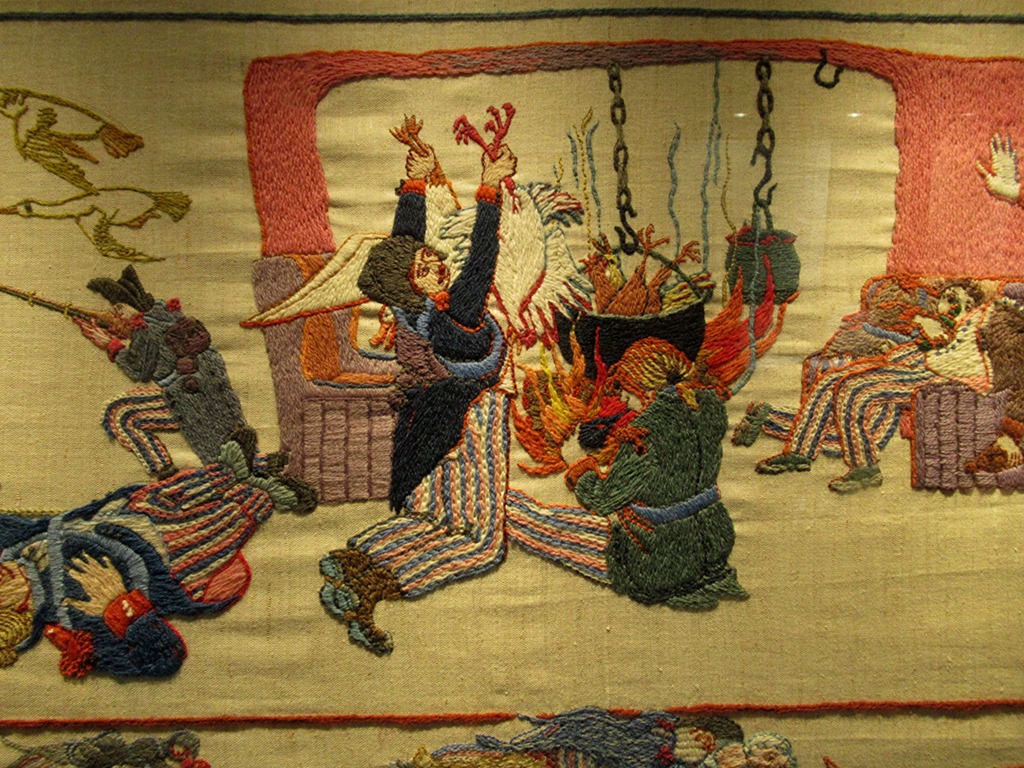
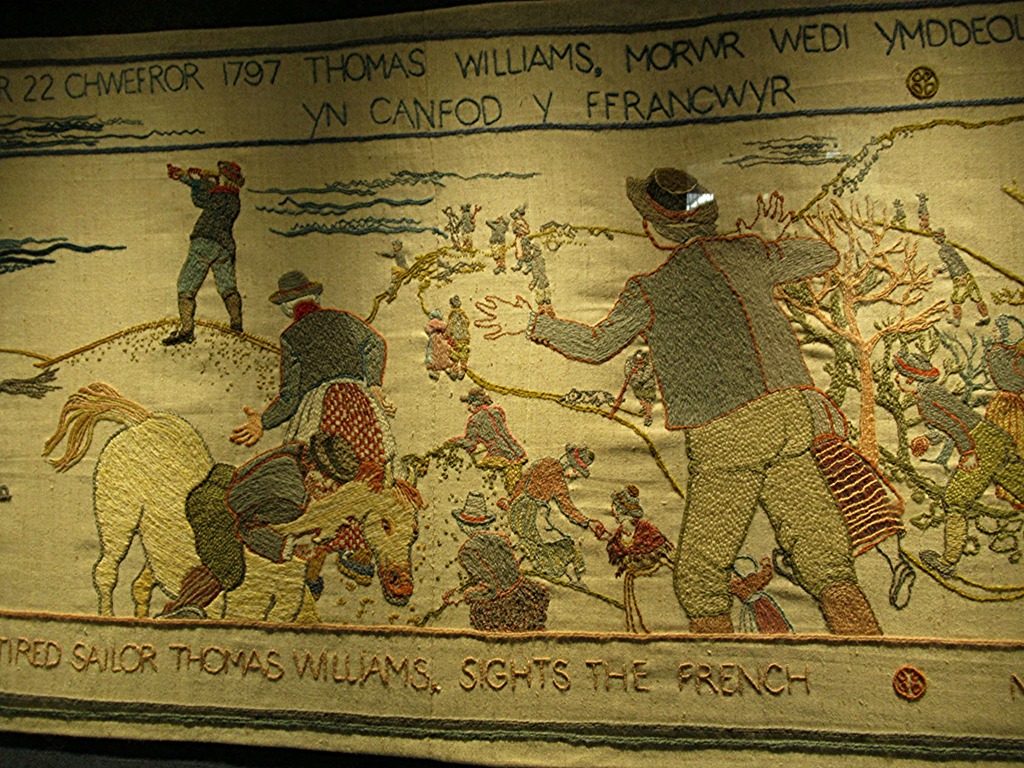
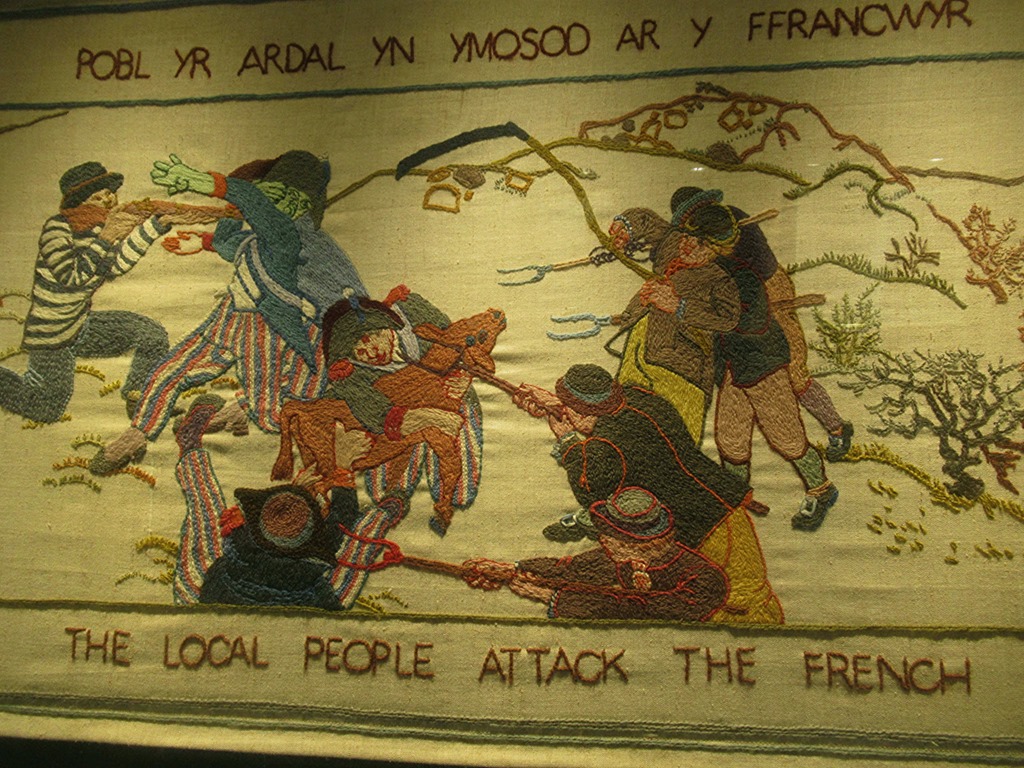
We’d only popped into Fishguard library for a map of the town so we could begin our explorations, and this is what we found: a magnificent creation of crewel-work that can surely hold its own alongside the Bayeux Tapestry which inspired it.

Both works tell of invasions of Great Britain by French forces, but whereas one is an 11th century account of ‘conquest successful’ (and probably everyone who knows a bit of British history will know about 1066 and William the Conqueror), the other marks a bicentennial commemoration of the last invasion of mainland Britain – a two-day shambles in February 1797, when 1400 soldiers of the French Revolutionary Government were put ashore near Fishguard with orders to conquer.

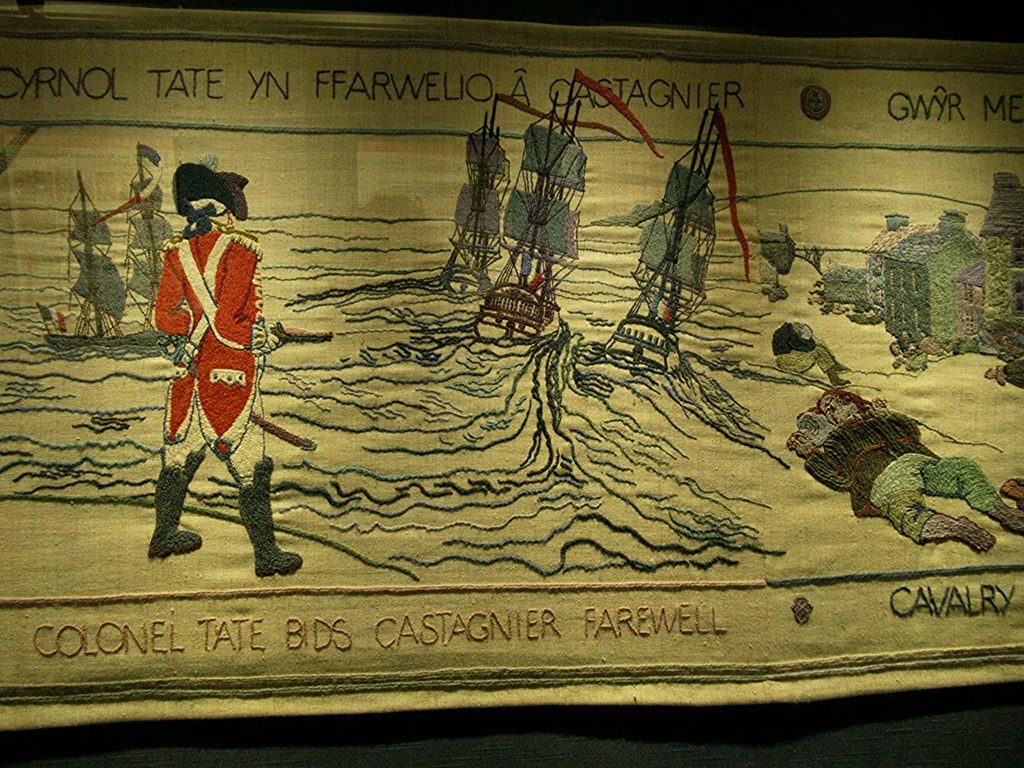
It seems the soldiers were not of the highest calibre militarily speaking. Only 600 were regulars, the rest were apparently  ex-convicts recently released from gaol, and all were under the somewhat elderly command of an Irish-American colonel, one William Tate. Things went wrong from the start. Bad weather prevented French ships from landing the troops at their intended objective near Bristol, and instead they retreated into Cardigan Bay. And when the force was finally landed, and their ships sailed off, abandoning them, many of the soldiers ran amok, looking for food, raiding farmhouses and were quickly beyond control.

IMG_4425

IMG_4422

IMG_4423

On the Welsh side there was also much pandemonium as the local gentry were charged to raise an army. Lots of summoning and gathering hither and thither, an inexperienced young gent initially put in charge of defending militia and making a hash of it. Meanwhile Jemima Nicholas (Jemima Fawr or ‘the great’ as she was later a known), wife of the local cobbler, set forth with a pitchfork, rounded up 12 Frenchmen and marched them into Fishguard where she locked them in the church before resuming her hunt.

IMG_4434

IMG_4424

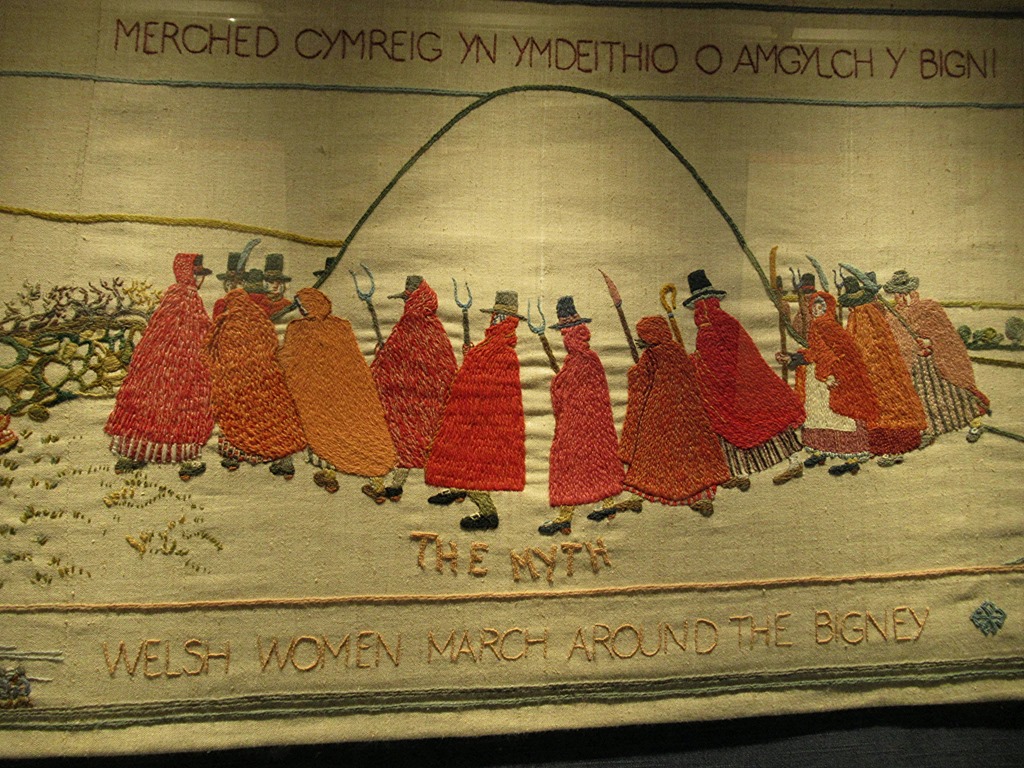
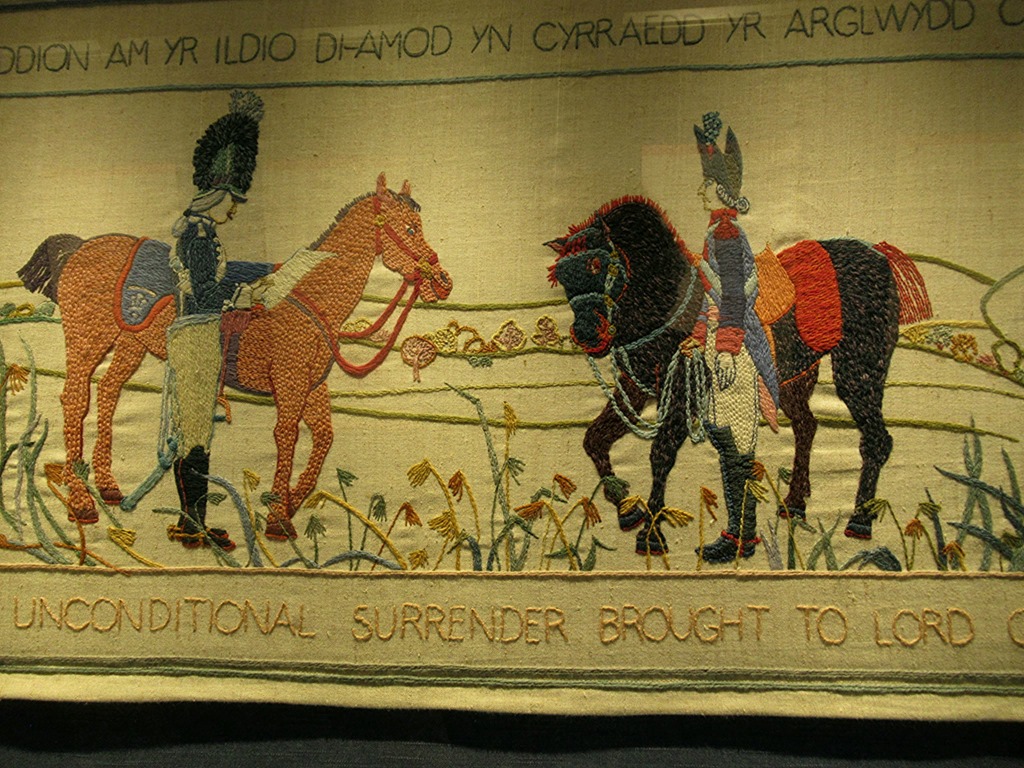
In the end Lord Cawdor, commanding British militias gathered from across Pembrokeshire, won the day, though a tale has it that the French only accepted unconditional surrender because they mistook the Welsh women come to watch as the gathering of  a large British army. The women were wearing their traditional tall black hats and red shawls.

IMG_4426

IMG_4427

As you can see, the tapestry is a delight. Every inch of it brimming with humour and finely executed detail, and all of it using much the same stitch work found in medieval embroidery. The designer, Elizabeth Cramp, also followed a similar lay-out to the Bayeux Tapestry. At 53 cm wide it is a similar depth, although its 30 metre length makes it less than half that of the Bayeux version. It anyway took 77 local people four years to complete and now belongs to a local charitable trust: Fishguard Invasion Centre Trust Ltd. A veritable tour de force.

It was also very difficult to photograph, what with the spotlights and reflections. And I’m sorry I missed catching Jemima Fawr with her pitchfork. But if you go to the link HERE you can spot her in the middle of the header photo and learn more about the making of the tapestry and the names of all those diligent workers who so skilfully applied their needles and threads.

copyright 2019 Tish Farrell

Line Squares #3  Join Becky with her October Squares challenge; the only rule: your header photo (showing lines however you see them) in square format.

Spinning A Line At Tregwynt Mill: It’s All In The Warp And Weft

IMG_4666

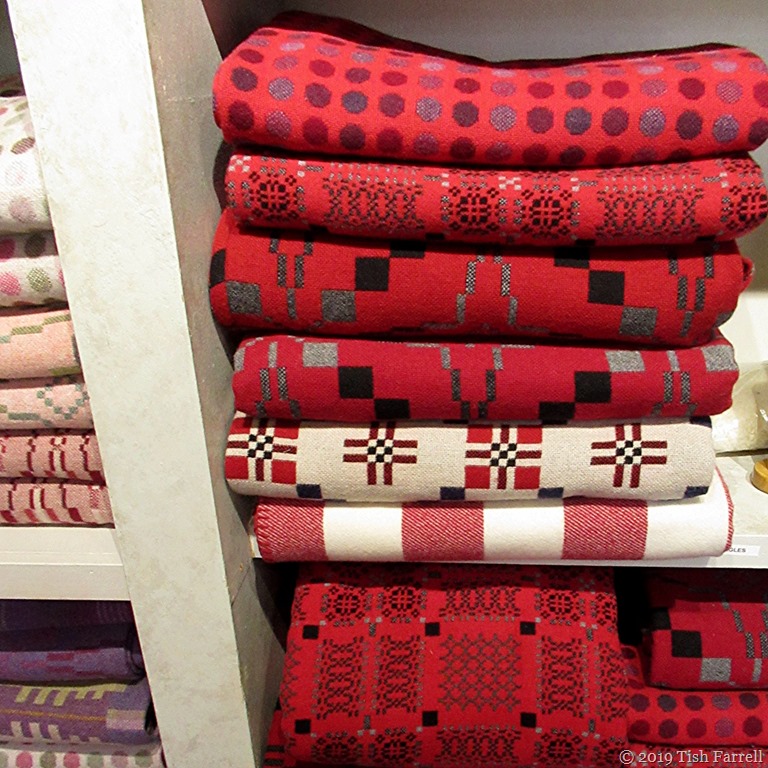
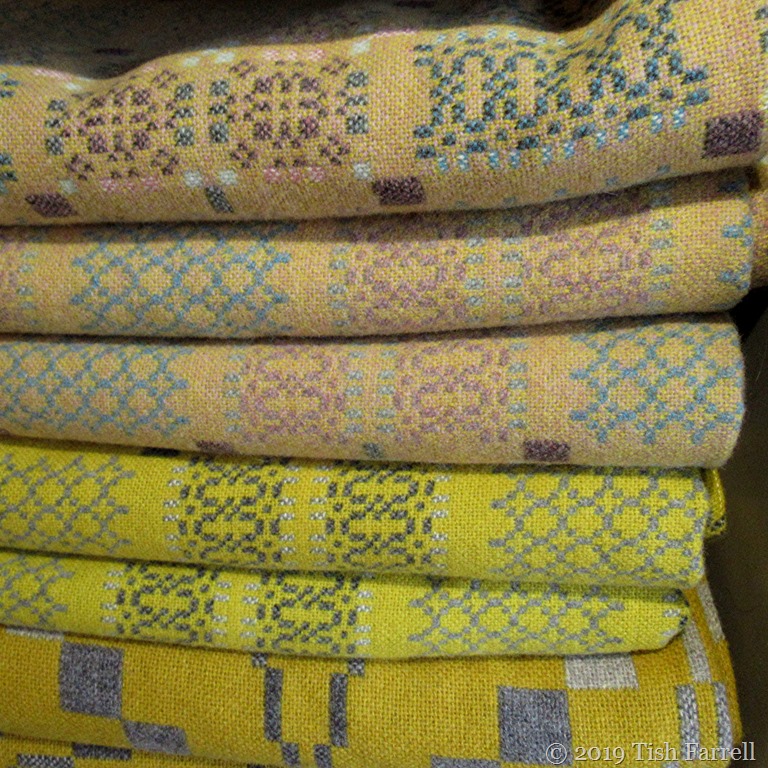
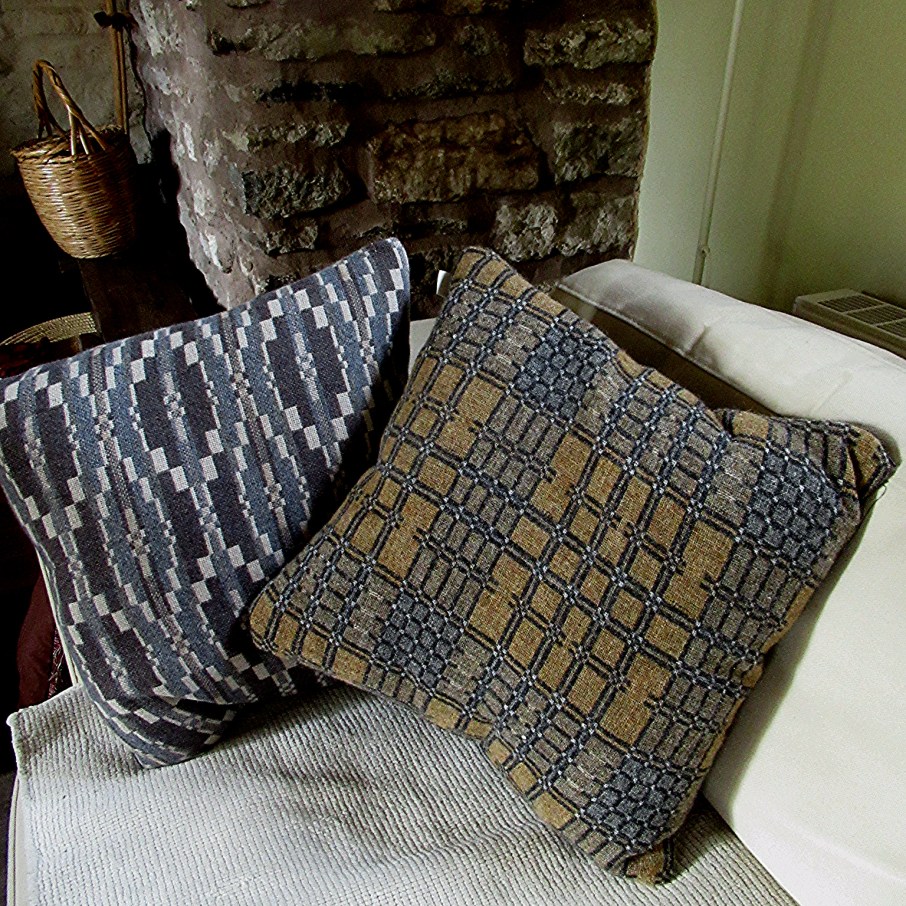
Who’d’ve thought it: Welsh Tweed that in the 1960s seemed so fuddy-duddy and old woolly tea-cosy-ish has been transformed into a substance of loveliness and huge desirability, and all thanks to some cunning tweaking on the design front. And the place where they are doing much creative tweaking of this most traditional of Welsh industries is Pembrokeshire, West Wales. (Some of you may remember my trip to Solva last year). Ten days ago we meandered our way down narrow lanes just south of Fishguard to visit Melin Tregwynt.

IMG_4668

It stands in a narrow wooded valley not far from the sea, and has been worked by members of the Griffiths family since 1912, when Henry Griffiths bought the place for £760. He took over premises that had their origins in the 17th century, the looms driven by water power from the nearby stream. Today Tregwynt’s looms are high-tech, but the weaving shed still houses an old waterwheel. And apart from producing wonderful cloth that feels like heaven, the other brilliant thing about this enterprise is that it employs over 30 local people, and is otherwise a fantastic place to visit with a very excellent shop and cafe.

And, in case you’re wondering, we did not come home empty-handed:


Line Squares  Today’s the first day of Becky’s October Squares: – lines, however you find them.

Scenes From The Realm Of Ancestors

IMG_4533

Two thousand years ago the people who lived within the mountain hillfort of Carn Ingli (seen here in the distance) would have looked down on this 5,500 year-old chambered tomb of Pentre Ifan. Back then, the Neolithic burial cairn was probably mostly intact, still covered with an earth mound and extending some 120 feet (36 metres). Over the centuries most of the stones have been removed, most likely for wall and house building; only the most immovable stones remain. The capstone is reckoned to weigh 16 tonnes and is supported on the tips of three larger-than-man-size stones.

However you think about it, this tomb is an extraordinary feat of construction by people who only had tools made of stone, wood and bone. In the next photo I have included men (near and far) to give some sense of scale – height and original tomb length. The burial place, probably used for successive interments and not only for one individual, is also in sight of the sea, the harbour inlet at Parrog, Newport, which may well have been used by trading boat as far back as the Neolithic.

I’m wondering what the ancestors would think of us now: the age when folly and ignorance finally ‘triumphed’ over wisdom?

IMG_4601

IMG_4602


Six Word Saturday