The other day I decided we should take a short break in Wales as we did this time last year. Back then we went to the Llyn Peninsula. On Thursday we headed further south, to Dolgellau in Gwynedd in north-west Wales. It’ is well under a two-hour drive from home, but given that the local guidebook states that the town ‘enjoys’ 70 inches of rain a year, it might seem a perverse choice of holiday destination, and especially in the autumn. All I can say was we were very lucky. For four whole days the weather was fine, the sun often hot, and when it did rain, it did so while we slept. What could be better?
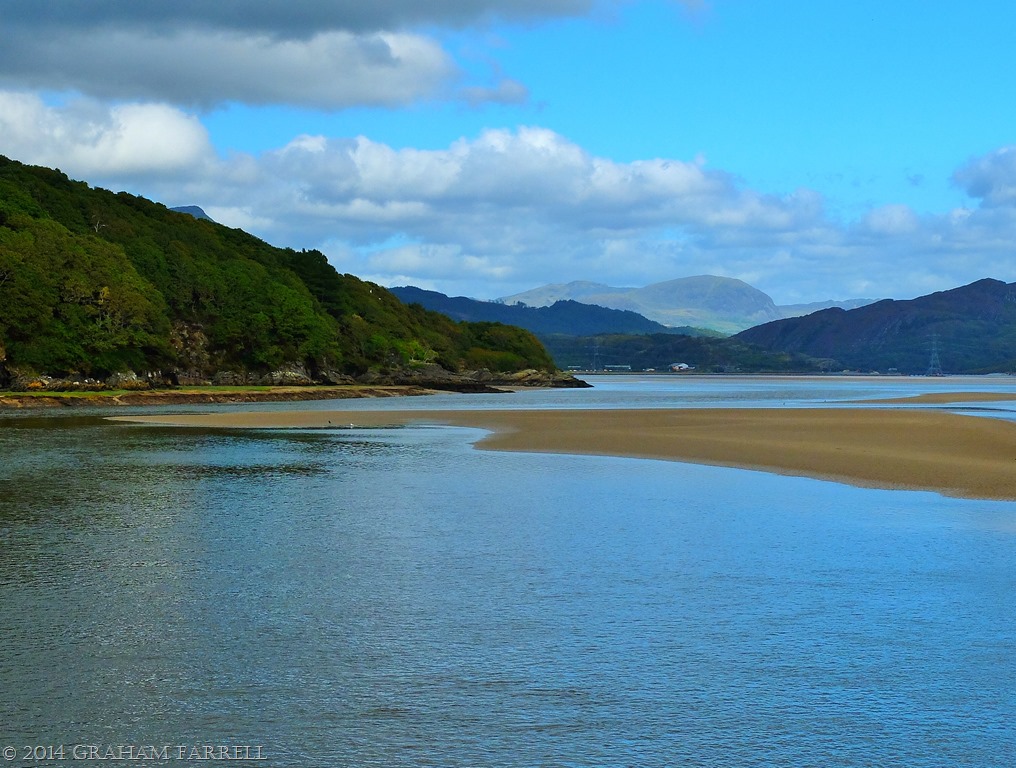
Dolgellau (Dol-gethl-eye) is an ancient market town, once prosperous as a centre of the wool trade. Today, agriculture, especially sheep and cattle rearing are still important, but tourism has now become a mainstay. And for those who relish outdoor pursuits of every kind, then this part of Wales has pretty much everything on offer, and all set in the most stunning mountain landscapes.
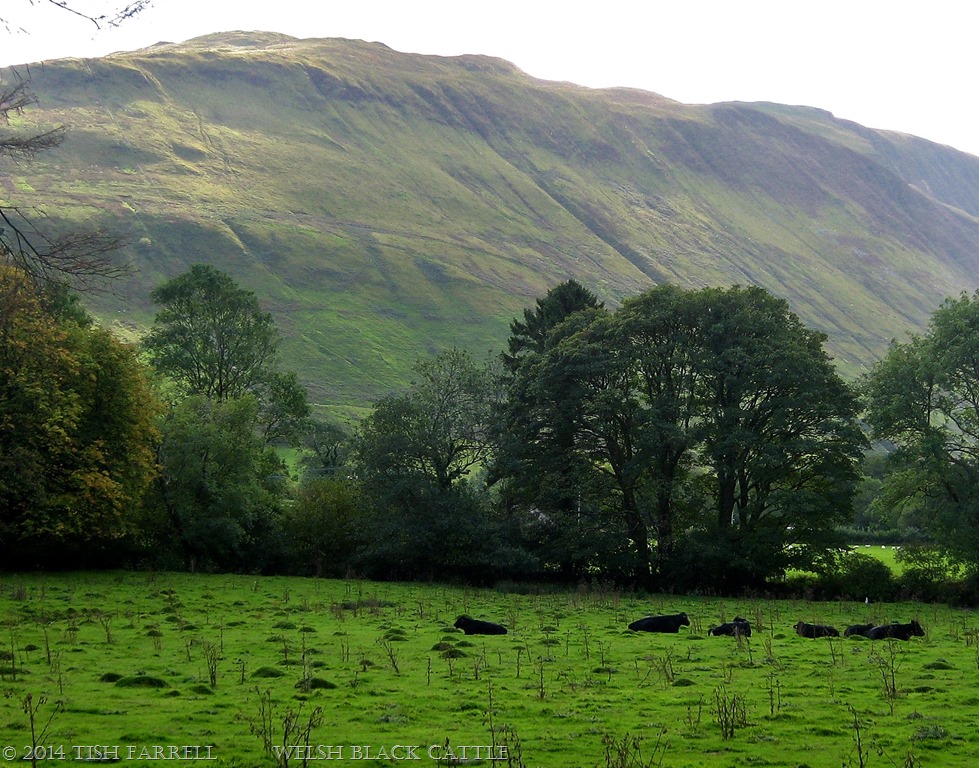
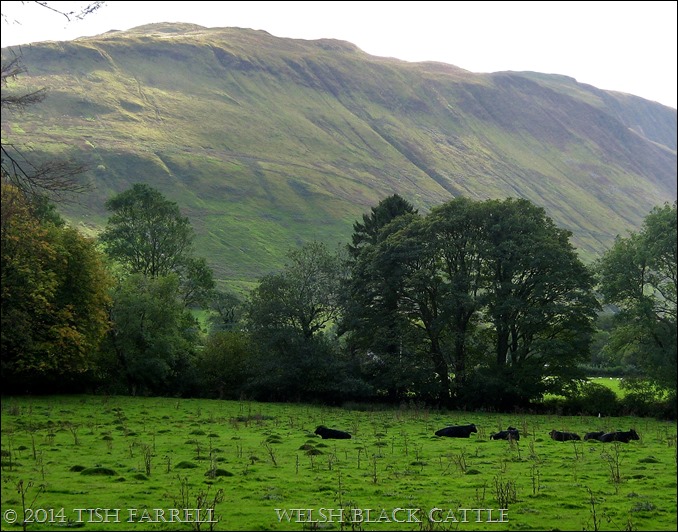
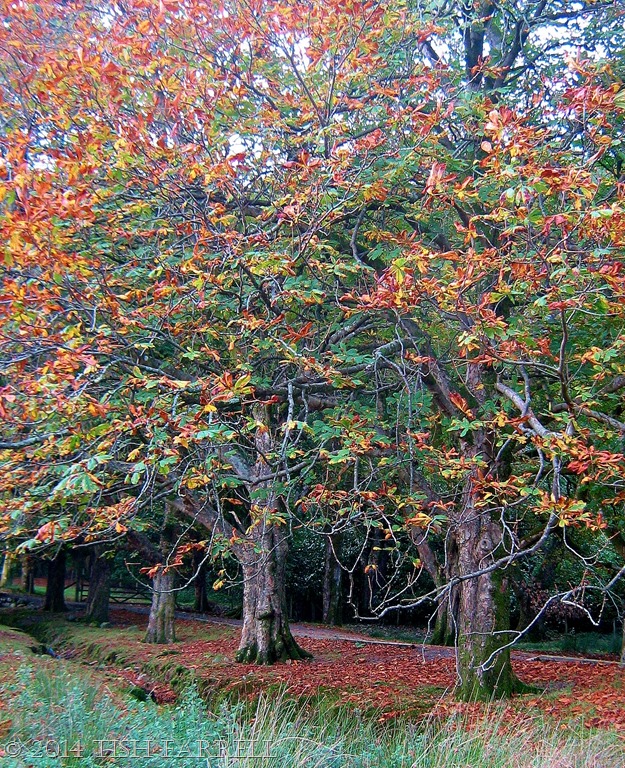
Perhaps the most dominant feature in this locality is Cadair Idris, seen here in its lower reaches from the Dôl Idris Path, a few miles outside the town.

*
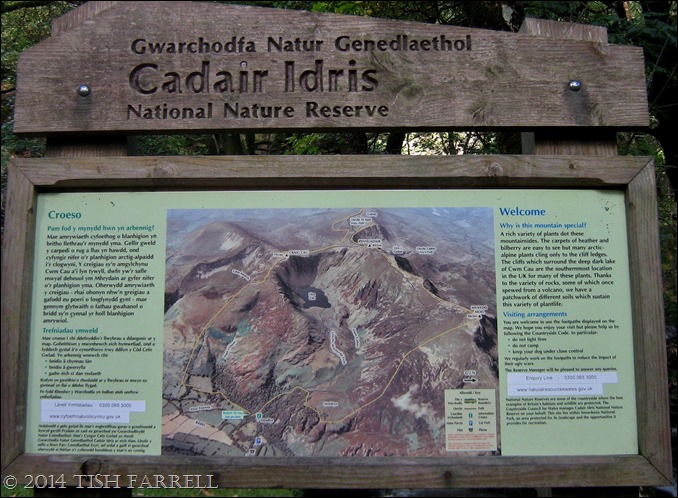
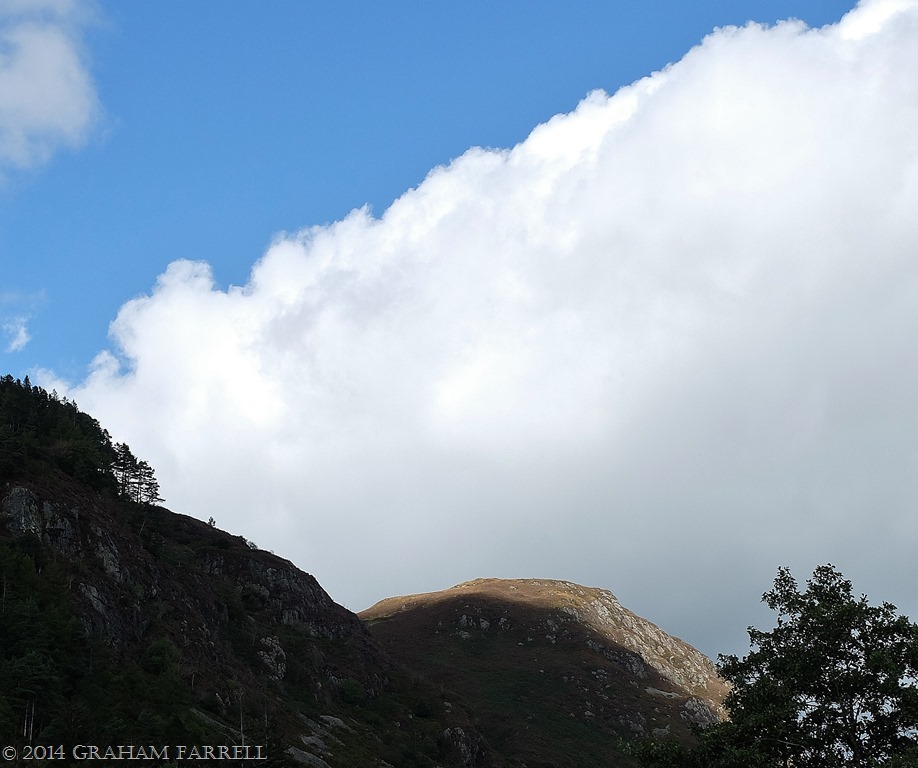
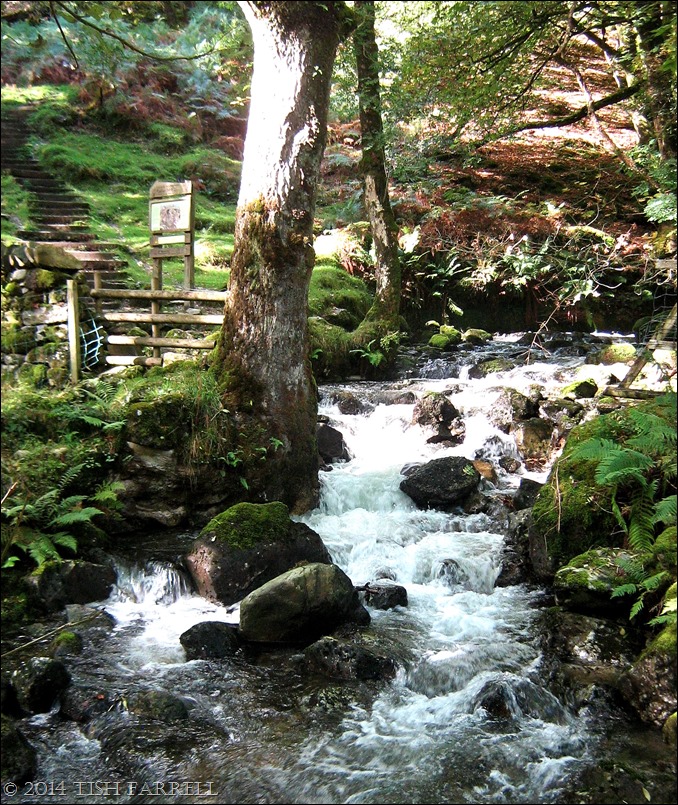
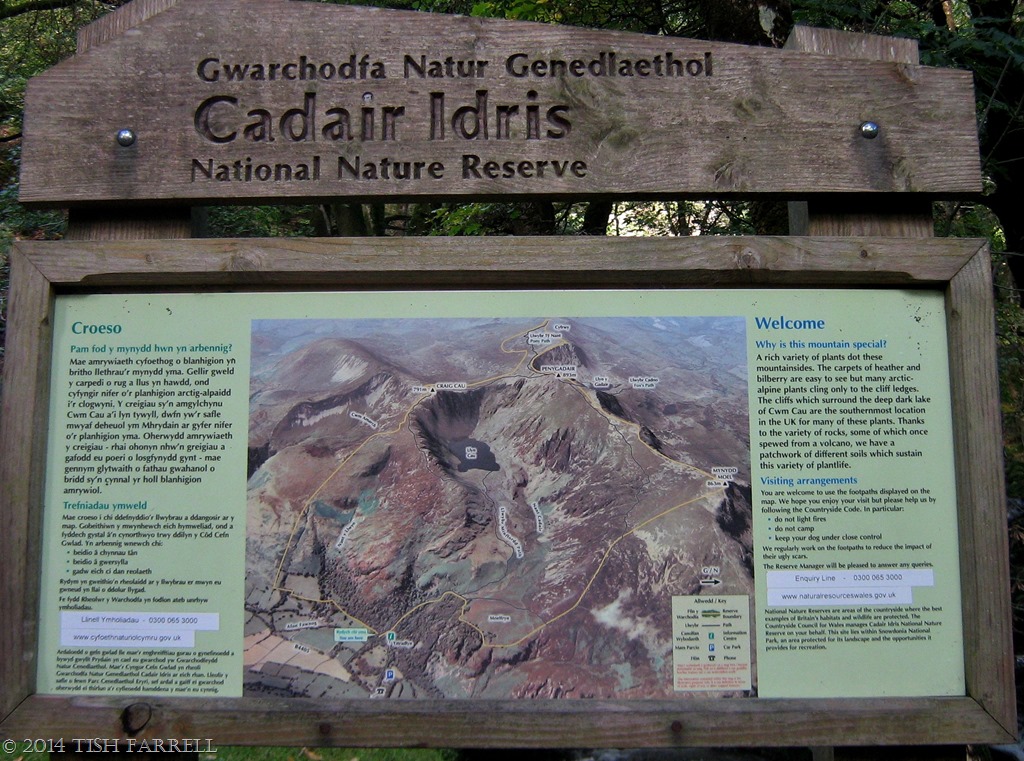
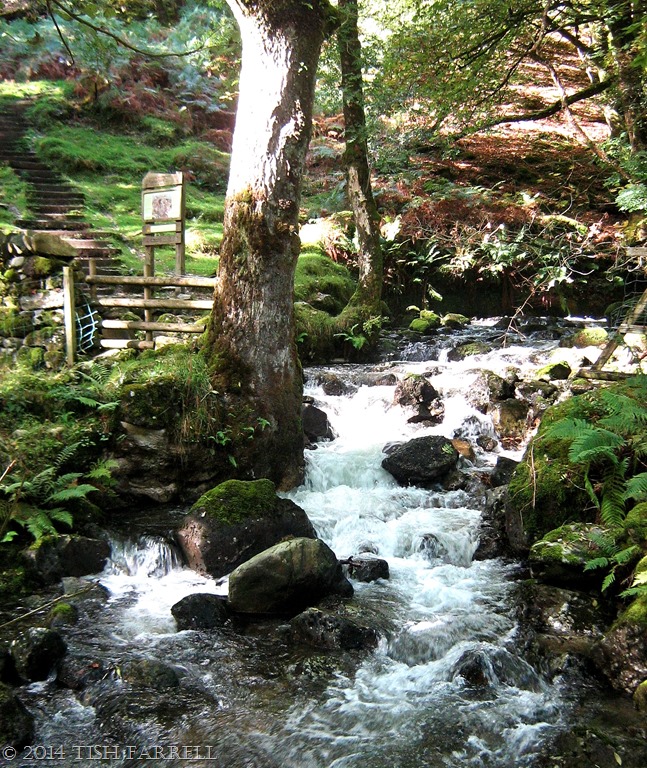
The mountain is 893 metres (2,930 feet) high, and there are several routes to the summit, but the most direct one strikes off almost vertically from the Dôl Idris Path, which itself is a short, level route created for those who wish to stroll on the horizontal. (That would be us). So we were not tempted to take the winding stairway up the hillside, this despite its splendid setting beside a roaring waterfall. We had read the guidebook and learned that those steps mark the start of 3.8 kilometre (2.4 mile) ever-upwards haul that includes a 300 metre (1,000 feet) cliff scree face. It would take five hours to go there and back, and besides which, there was also the legend to consider. This says that anyone who spends the night on the mountain will wake up either mad or a poet.
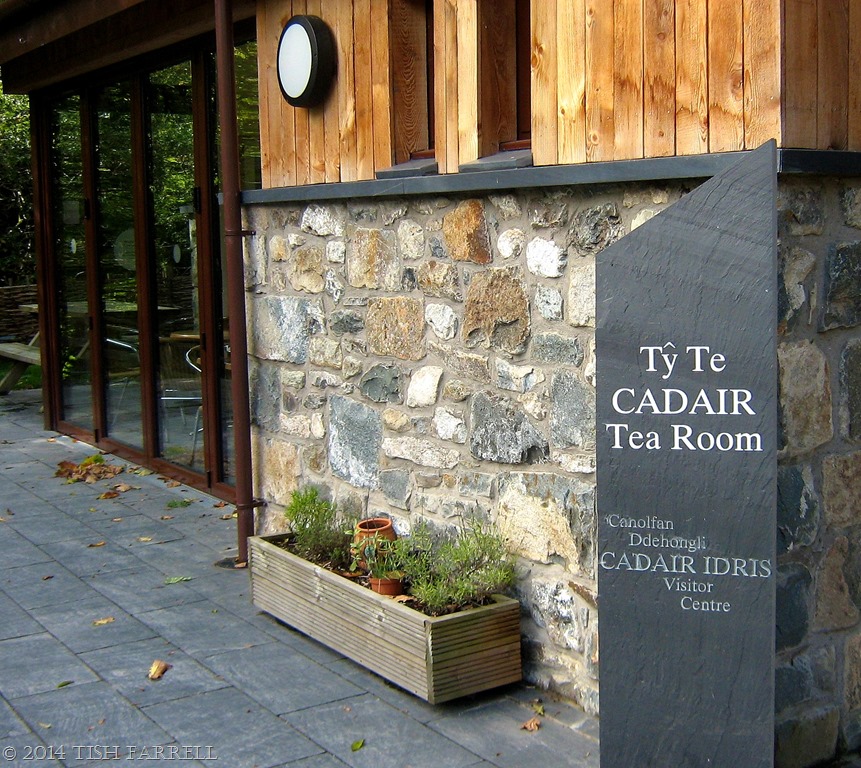
We couldn’t risk it, not even for a brainstorm of bardic eloquence. Instead we took photos, but only after we had visited the tea-room and eaten chicken curry and rice (me) and a bacon sandwich (G) while watching nut hatches on the bird feeder outside the window. (All Farrell safaris must include tea rooms, coffee houses and restaurants). Also, while we were there, we viewed the cartoon about Idris the Giant, who uses the mountain as his armchair (cadair) while gazing up at the stars. And finally, we peered uncertainly at the bat-cam video that mistily revealed to us rare and roosting horseshoe bats who live in the tea room roof space. Bats in the attic. That was somehow pleasing too.
*
*
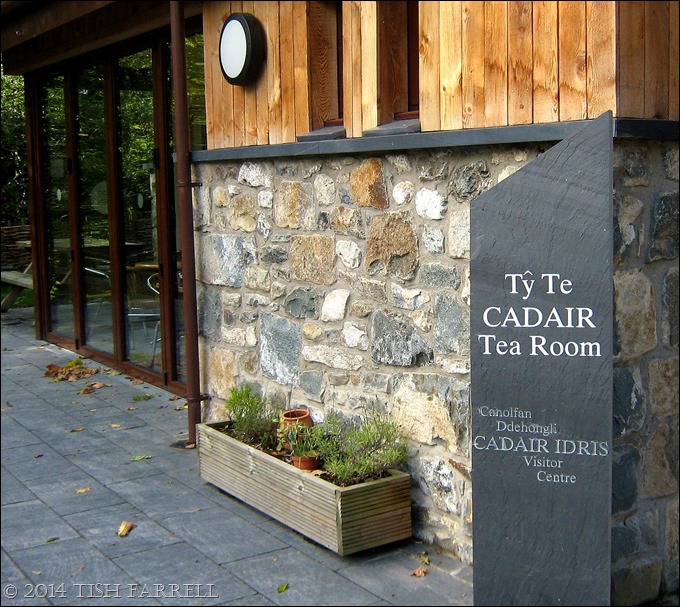

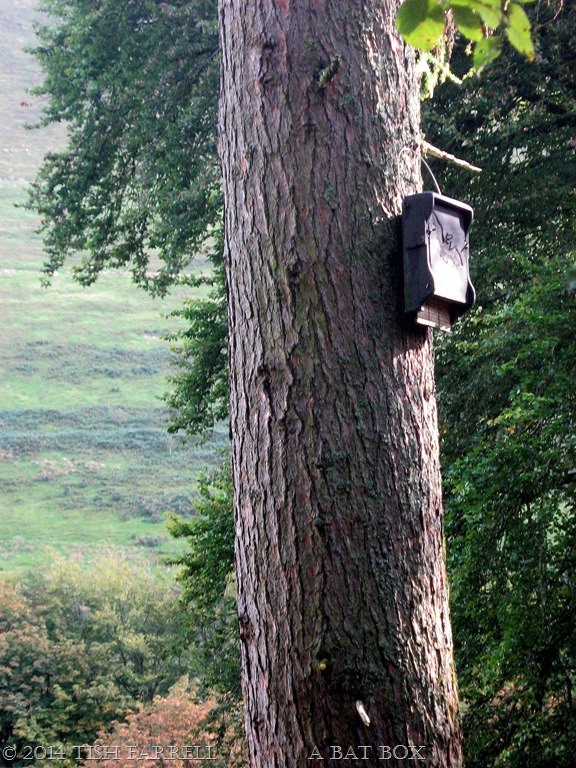
The food in the cafe was really rather good, but once back on the path we found still other diversions. There was the spotting of bat boxes in the trees. Apparently 9 species are catered for. I didn’t discover the exact purpose of the boxes – emergency roosts for dirty-stop-out bats caught out in the daylight while still far from home?

More curiously, at the foot of the mountain path, we found the ruined remains of Idris soft drinks company’s research laboratory. And yes, it does look more like a barn. It is hard to imagine that, in its day, a cutting-edge business empire based on non-alcoholic fizzy drinks, had its roots in an isolated valley below Cadair Idris. The company even went on to supersede Schweppes as the sole soft drinks purveyor to HM Queen Victoria.

![Im19190726ILN-Idris[1]](https://tishfarrell.com/wp-content/uploads/2014/10/im19190726iln-idris1_thumb.jpg?w=677&h=460 "Im19190726ILN-Idris[1]")
The founder of the company, a successful Welsh chemist called Thomas Howell Williams, began the laboratory in 1873. The Temperance Movement was gathering momentum at this time, and the production of cheap, non-alcoholic, and (apparently) healthy drinks was welcomed. Why Williams chose this site in particular is not exactly clear, but he was so impressed by the mountain’s splendour that he changed his name by deed poll to Thomas Idris. He also became known as The Ginger Beer Man, and all these years on, Idris Fiery Ginger Beer is still produced, albeit under the Britvic label.
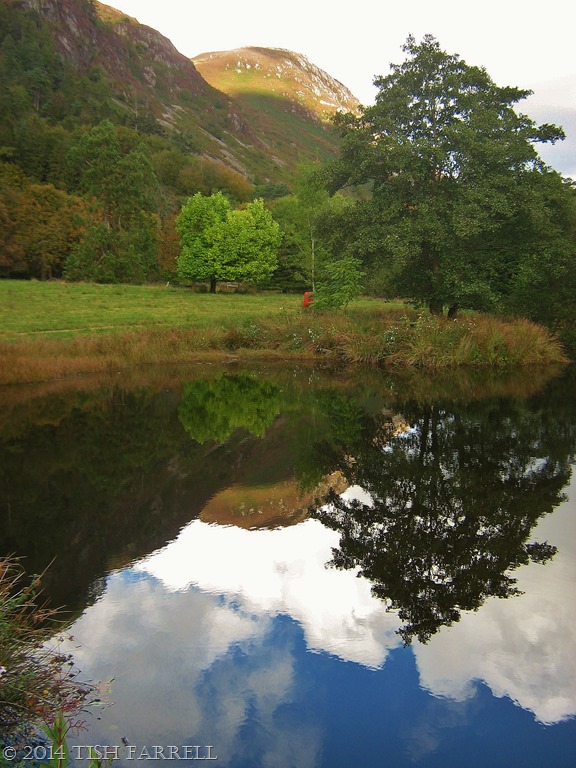
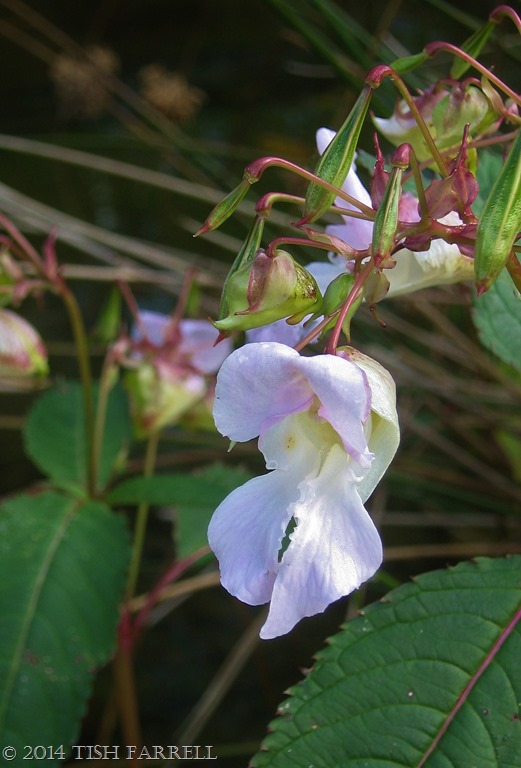
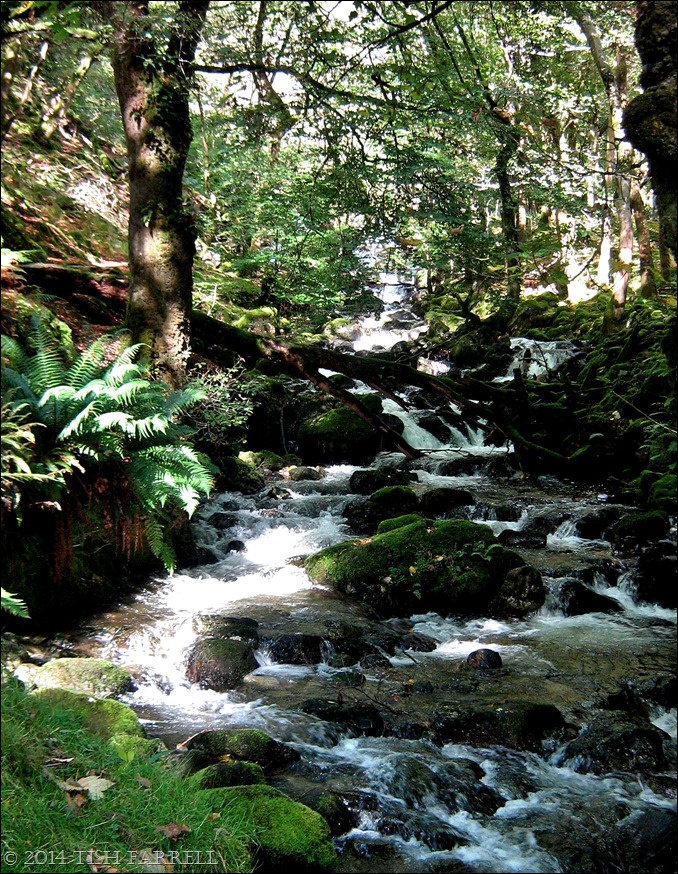
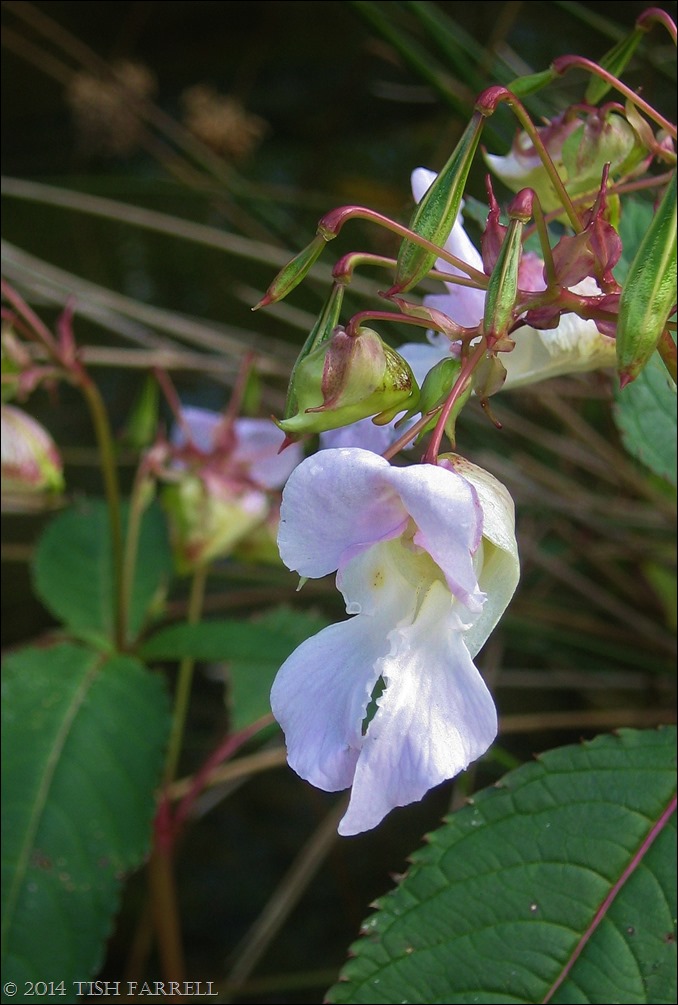
In the 1980s the Idris family gave the land to the Snowdonia National Park Authority and, in the last few years, a flat, circular path of just over a kilometre has been created to cater for all who wish to enjoy what remains of the Idris parkland domain. There is an ornamental lake with wild balsam on its margins, specimen trees dotted here and there, a fish ladder and weir to examine, secluded tables for picnics, a chestnut tree avenue, streams to walk by, and of course the tea room for the scones and carrot cake we didn’t have the first time round.
On our slow wandering we did not see the buzzards, kites or peregrine falcons noted on the tea room’s recent ‘bird sightings’ board, but it was a fine walk on a fine autumn day, and so thank you Mr. Idris for your gift to the nation – to Wales that is, and thence to the United Kingdom that derives only the greatest benefit from the sum of its peripheral lands’ magnificent places.
copyright 2014 Tish Farrell

*

This post was also inspired by Jo’s Monday Walk : Fountains Abbey








![Im19190726ILN-Idris[1]](https://tishfarrell.com/wp-content/uploads/2014/10/im19190726iln-idris1.jpg "Im19190726ILN-Idris[1]")