A Shadowy Past

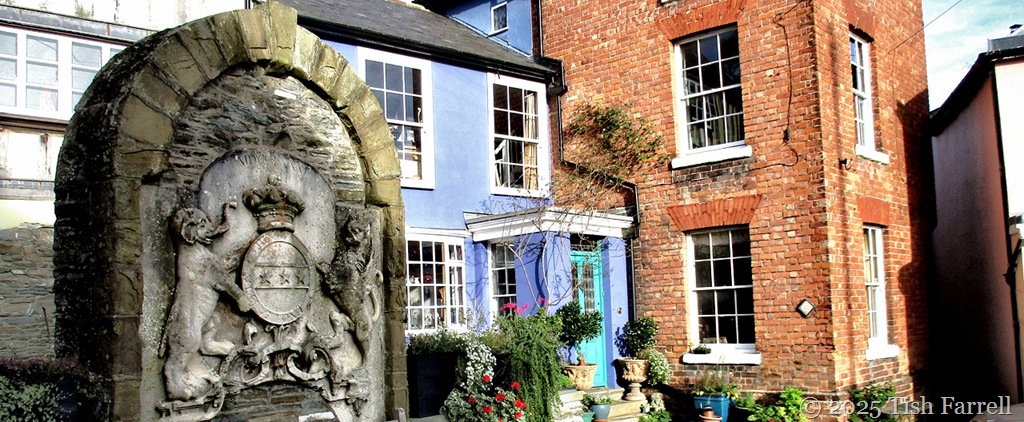
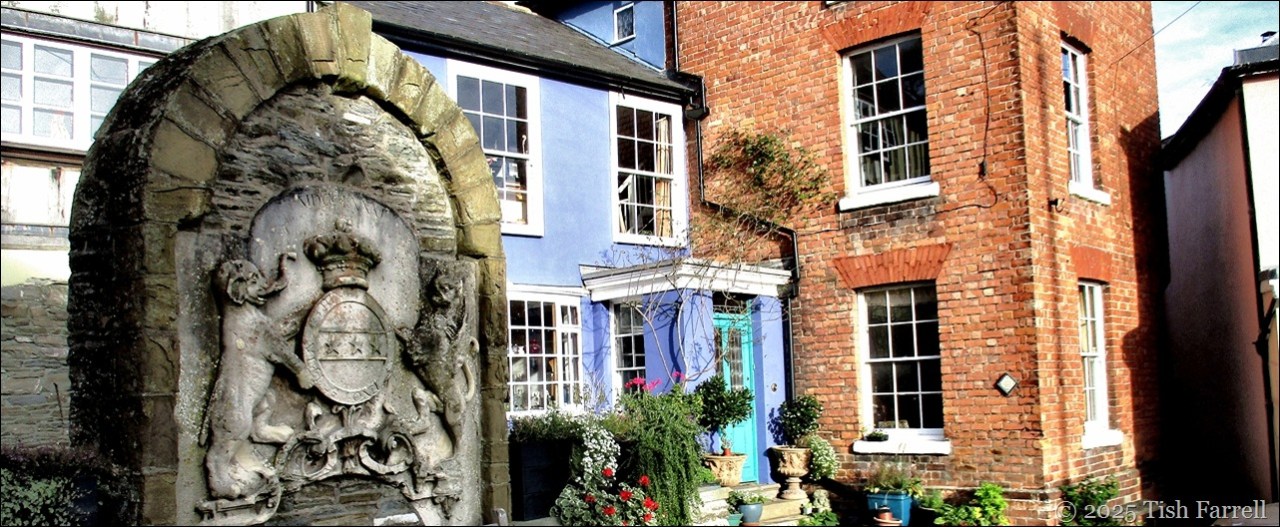
Clive coat of arms

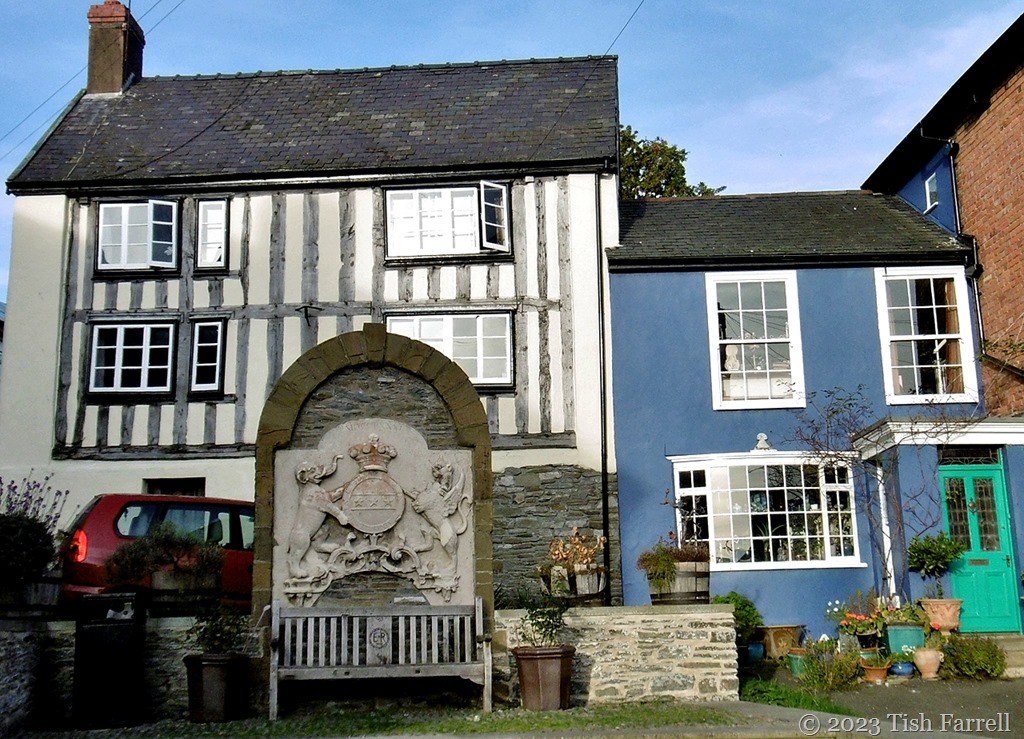
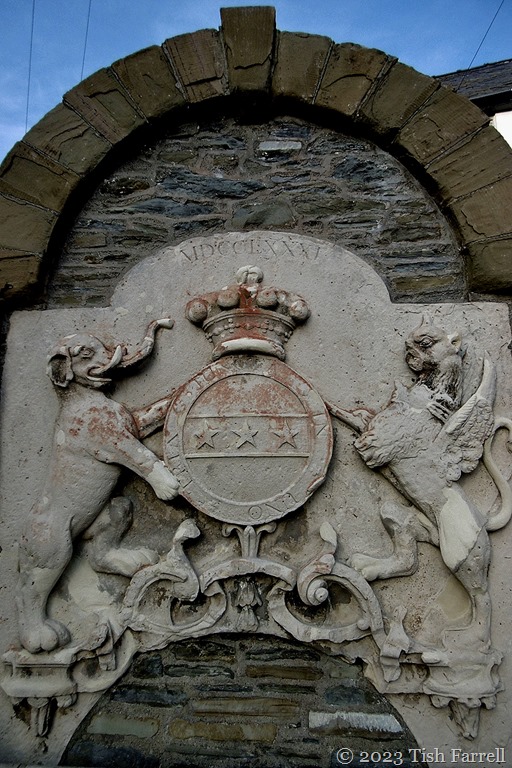
This is a fine spot for catching one’s breath after climbing Bishop’s Castle’s steep High Street. The bench sits on the footprint of a long gone market hall, built for the town by Edward, eldest son of Robert Clive (as in Clive of India) in 1781. At this time (and until 1926) the manor of Bishop’s Castle was owned by the Clive family, and above the bench is some surviving evidence. This is the Clive family’s (acquired) coat of arms: an Indian elephant and a griffin that once adorned the market hall, and so stood above the town, proclaiming the Clive wealth and power.
top4

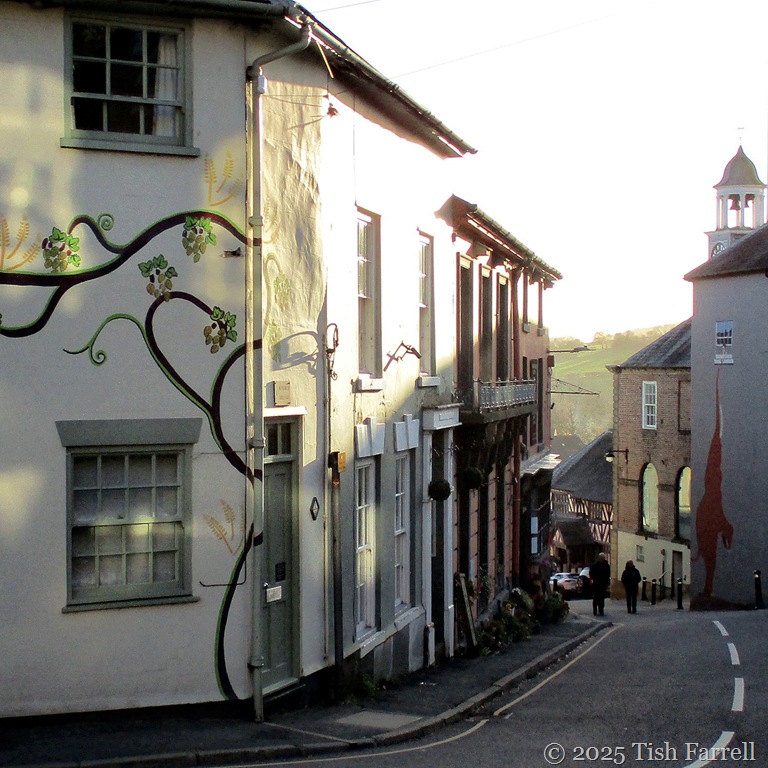
This, then,  is the view from the bench in the Market Square. (I included it the other day on our walk around the town). All very picturesque. Except, even on a bright autumn afternoon, that Clive coat of arms sheds dark shadows that still linger.

Robert Clive (1725-1774), was the pugnacious offspring of a Shropshire land-owning family. He began his meteoric career as a clerk in the East India Company Madras in 1744. Once in India, he proved an able administrator and ruthless military commander, so efficient in fact, he is credited with securing the power of the East India Company and thus the establishment of British Rule in India.

He returned to England with a vast fortune, equivalent to some 30 million pounds by today’s values. That he was the subject of a parliamentary enquiry for corruption (including examination of his punitive policies while running the East India Company) did not stop him from securing an Irish barony and buying his way into government.

He lived in Mayfair, London and owned estates in Surrey and Ireland, but bought the Shrewsbury  seat in 1761 and remained the town’s M.P. until 1774. (Shrewsbury is Shropshire’s county town and nowhere near London). He also deployed his wealth to secure the votes of Bishop’s Castle’s 150 burgesses, so ensuring that this town’s M.P. was also always a member of the Clive family fiefdom.  The town already had the reputation as a ‘rotten borough’ i.e. votes for whoever could best bribe the burgesses. Now it became a ‘Pocket Borough’ ruled by Clive friends and relations, a situation that continued until 1832 when The Electoral Reform Act ended direct representation for the town and other ‘rotten boroughs.’

It’s astonishing perhaps to think how one man’s shadow can reach so far – through time and across the world. But then what about those among us today whose material ambitions and global reach affect the lives of millions; I wonder what future historians will have to say of them.


November Squares #23

Jude’s Bench Challenge Anniversary
clive coat of arms header

From The Grave Of The Good Burgess ~ Speaking Truth To Power

IMG_3897cr

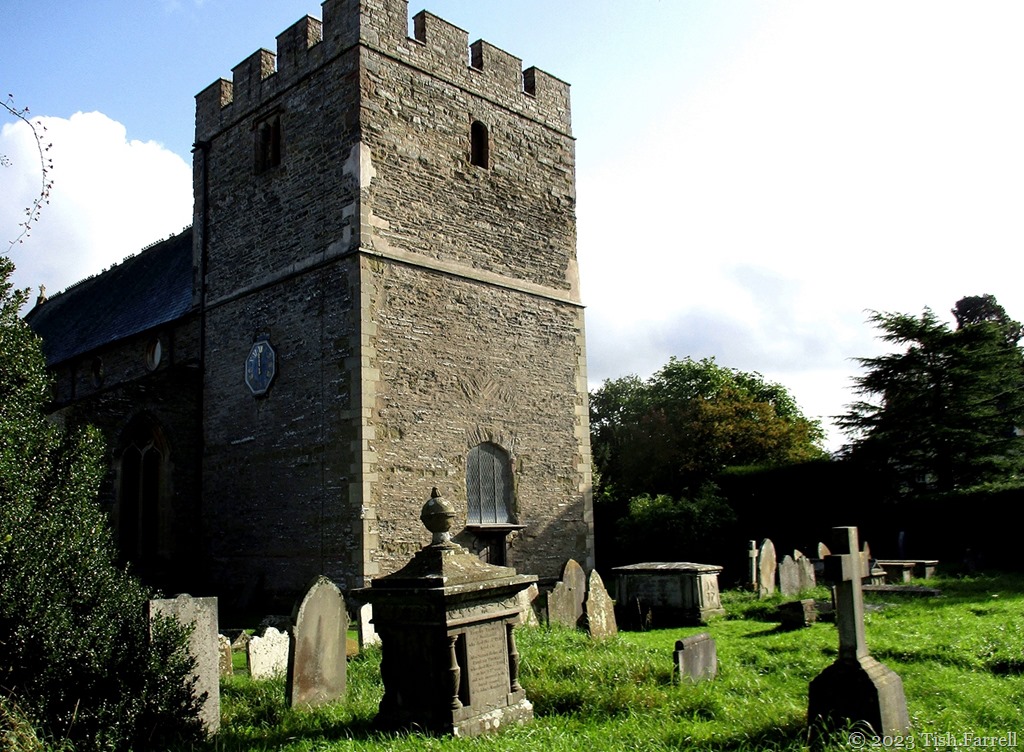
My last post featured a recent visit to Bishop’s Castle’s parish churchyard and the mystery surrounding the grave of an unnamed African who died in the town in September 1801. This week I returned to the visit another intriguing grave. It stands in sight of the great Norman tower of 1291, and marks a death that occurred in May 1802, a few months after I.D.’s burial, and also the year of a general election.

And what an epitaph it is. What a swingeing ticking off of the town’s ‘worthies’; very much in the vein of ‘you know who you are’.  (And doubtless everyone else in the town knew too).

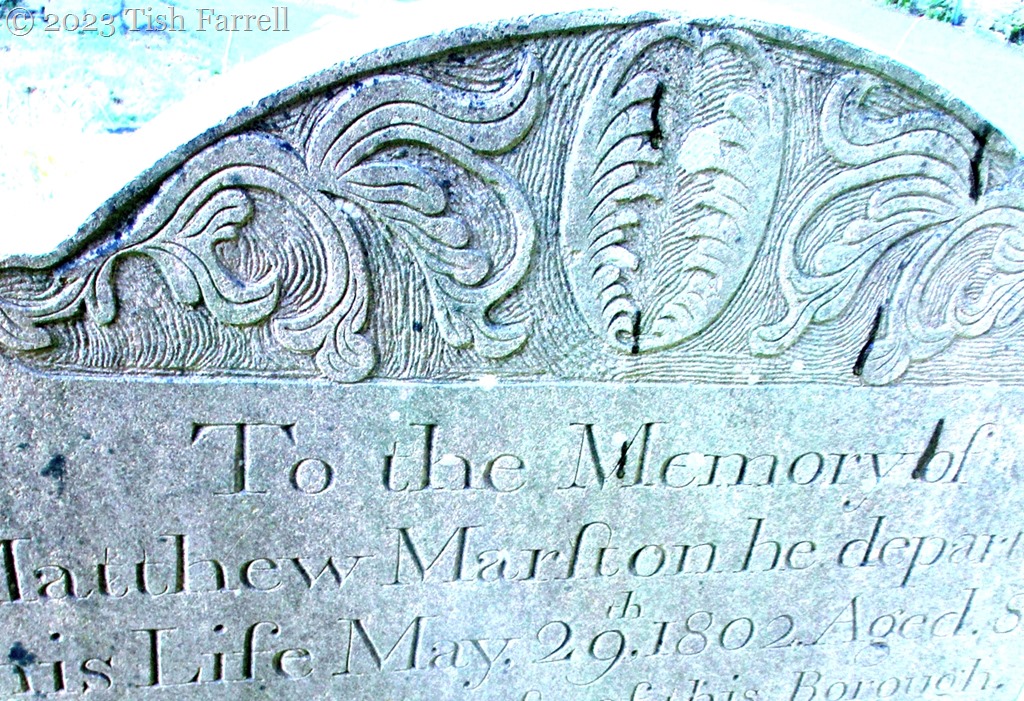
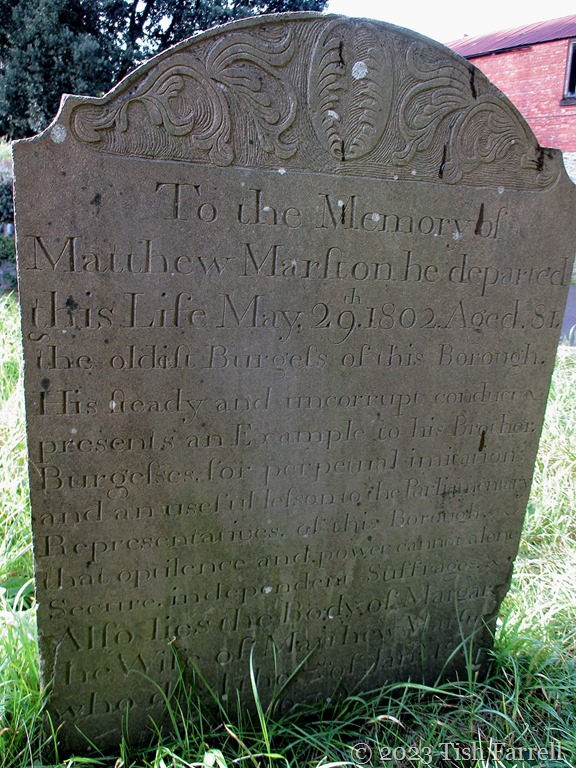
Here’s what the headstone says:

To the memory of Matthew Marston. He departed this life May 29th 1802 aged 81, the oldest Burgess of the Borough.

His steady and uncorrupt conduct presents an examples to his brother Burgesses for perpetual imitation and a useful lesson to the Parliamentary Representatives of the Borough that Opulence and Power cannot alone secure universal suffrage.

*

IMG_3903ed

*

And to what particular corrupt practice is the Marston stone referring?

Bribes for votes, that’s what, and the fact the town’s burgesses controlled the electoral roll. Only they could vote in elections, and only they had the power to admit new burgesses to the roll. And these were the men who managed all aspects of the town’s affairs, from market trading to judicial and coroner’s courts.

In 1802, when there were around 170 burgesses on the roll, the going rate for a vote was 25 guineas – well over a thousand pounds by today’s values, and enough then to buy 2 horses or 5 cows or employ a skilled tradesman for 173 days (National Archives currency converter).

For a small rural town, Bishop’s Castle seems to have earned itself a big reputation for shady political dealings: a ‘rotten borough’ from 1690-1763, and a ‘pocket borough’ from 1763 – 1832. During these years the town returned two parliamentary representatives, all members of the landowning class, or in the case of the pocket borough, all relatives or favoured associates of Robert Clive. (He had returned from India, where he had risen from lowly agent in the East India Company to Governor of the Bengal Presidency, amassing a fortune equivalent to 48 million pounds). Only with the Reform Act of 1832, did the parliamentary borough of Bishop’s Castle meet its end. We now have 5 regional county representatives.

During the rotten and pocket eras, parliamentary representatives were obviously intent only on furthering their own and sponsors’ interests and causes. This situation was compounded by the fact that several times the entire manor of Bishop’s Castle changed hands with the new owners seeking to secure a seat for their own man. In 1683 it featured in a marriage settlement between one Anne Mason and the Earl of Macclesfield. It was Anne’s ne’er-do-well cousin Richard Mason, seemingly the Earl’s ‘placeman’, who then bribed and bullied his way to Parliament, standing as M.P. for 30 years.

In 1718 the new Bishop’s Castle owners, the Harleys, appalled that their own candidate had failed to win a seat, roundly condemned the town’s burgesses (‘profligate wretches’) for their ‘villainous roguery’ and ‘perfidy’ in voting for Mason. They sold the manor on to the Earl of Carnarvon (Duke of Chandos)  who then, after considerable expense, secured his own placeman at the next by-election. His purposes doubtless served, he then sold the manor to his nephew, local landowner, John Walcot of Walcot Hall, who then found the means to further his interests through favoured candidates.  And so it went on. On and on.

But what of Bishop‘s Castle’s ordinary folk? Over all these centuries of political vested-interest, one might well wonder how did life go for the ploughman, dairymaid, tavern keeper, clerk, cowhand and stonemason, or for the cooper, brewer, carpenter, apothecary, farmwife, cook, curate and chamber maid? How indeed?

You can well see that the Marston family had a point when they erected this headstone to their kinsman, the good burgess: a lone voice of integrity?

IMG_3900ed

previous post The Man from Africa: I.D. unknown

source: The Story of Bishop’s Castle eds David Preshous, George Baugh, John Leonard, Gavin Watson, Andrew Wigley  2018 Logaston Press


Over The Hills And Far Away…

IMG_3673

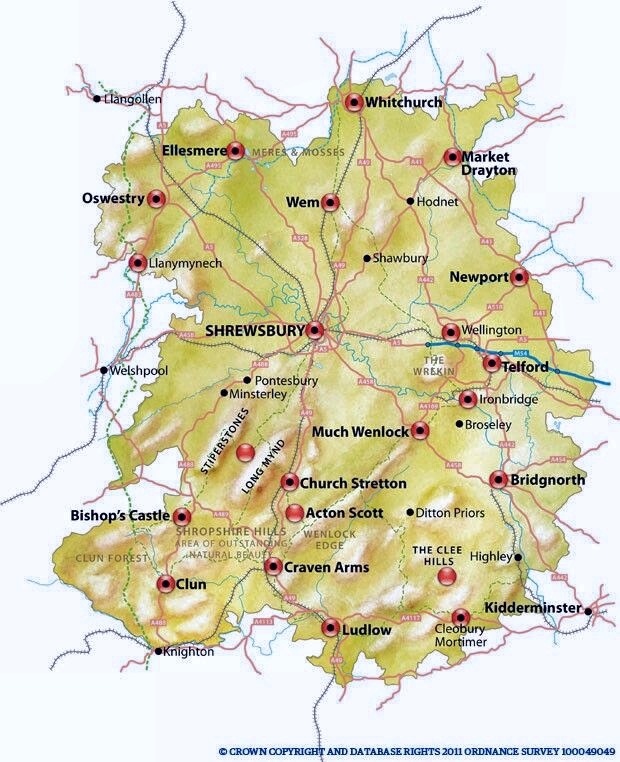
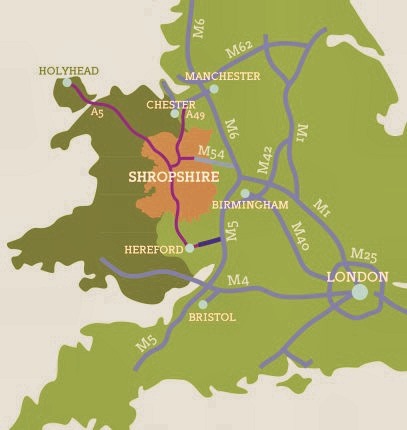
At last. We’ve landed. I’m back. And on a whole new edge; no longer Wenlock, but on the border between Shropshire and Wales. And although we are finally here in body, there’s still a sense of too long in transit; a Rip Van Winkle dislocation in time and space. So just so you and  we know where we’ve come to (from Broseley in the east to the county’s south-west corner just north of Clun), here are some maps.

03b9b2d507fc78c58ec9a4fcc2a4bbc5-2720297223

shropshire-travel-map-407x430-1174062181

*

Here we are, then, in the midst of Shropshire’s hill country, not far from the Long Mynd and the Stiperstones. Nor far either from the Welsh uplands. Bishop’s Castle also sits on its own steep hill.

IMG_3642

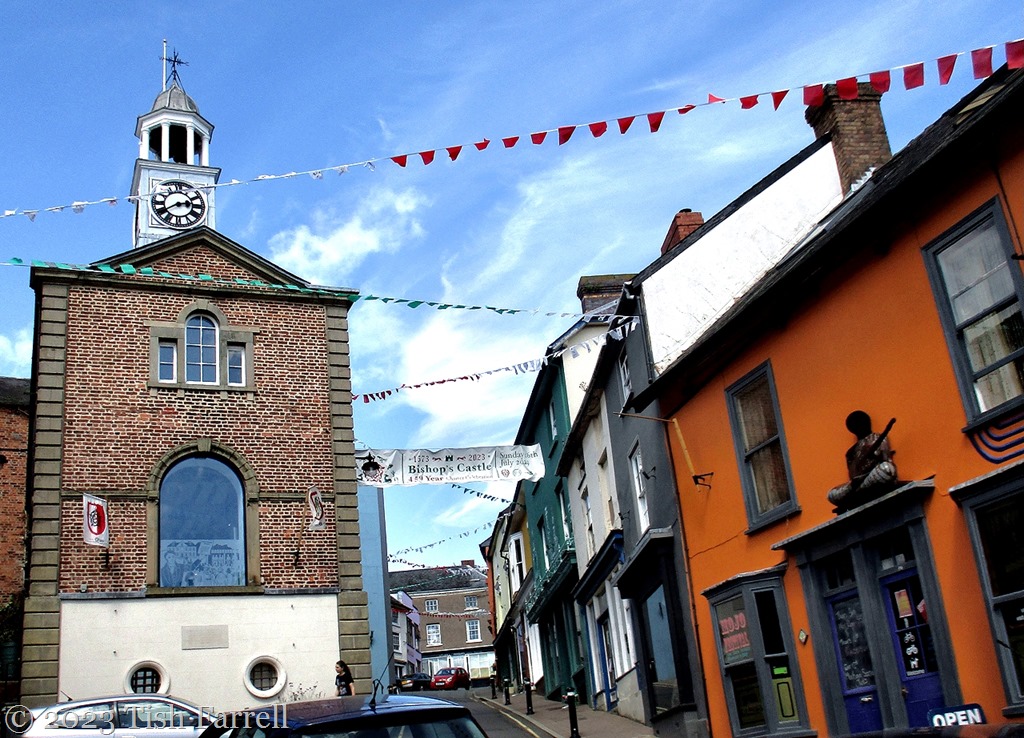
This is the Town Hall, not quite on the summit. The clock chimes the hours and quarter hours, the plangent tones (when one is half asleep) evoking vague notions of Dylan Thomas’s Under Milk Wood, for although we lack the slow black, crow black fishing boat bobbing sea, I feel sure I will discover some equivalent.

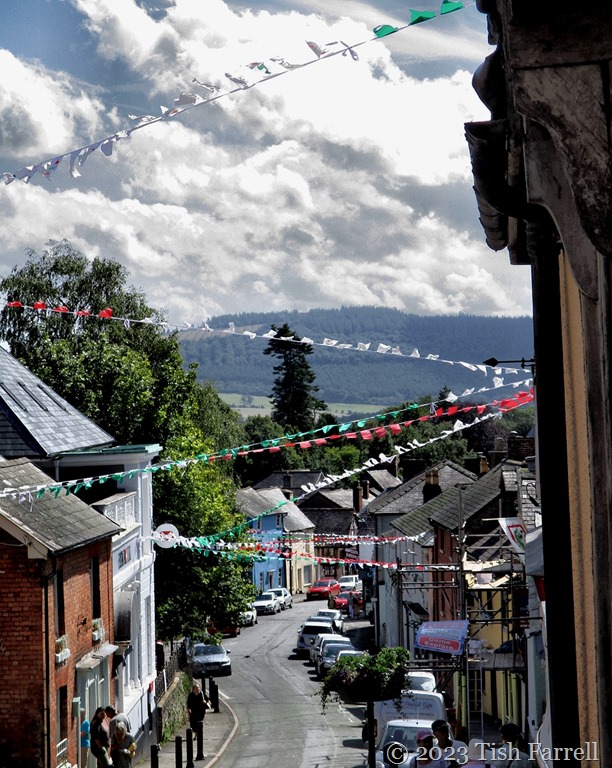
Here’s the downwards view:

IMG_3641

*

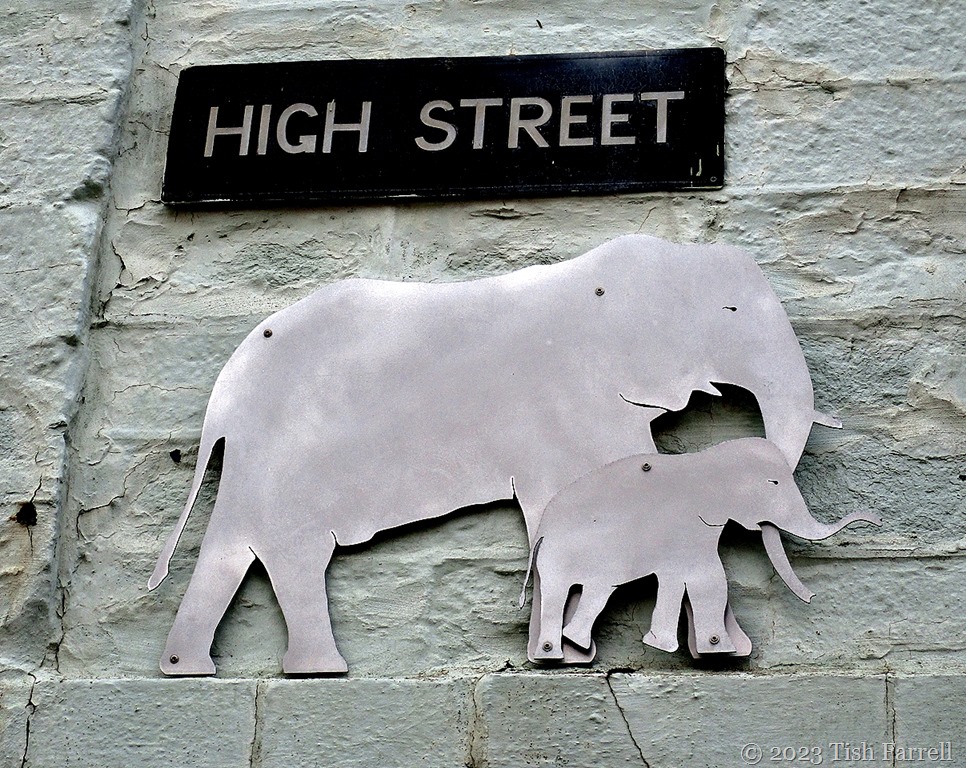
This is the High Street. Curiously perhaps, it features tributes to elephants here and there along its length. The most dramatic and near life-size version is just above the Town Hall:

IMG_3640

*

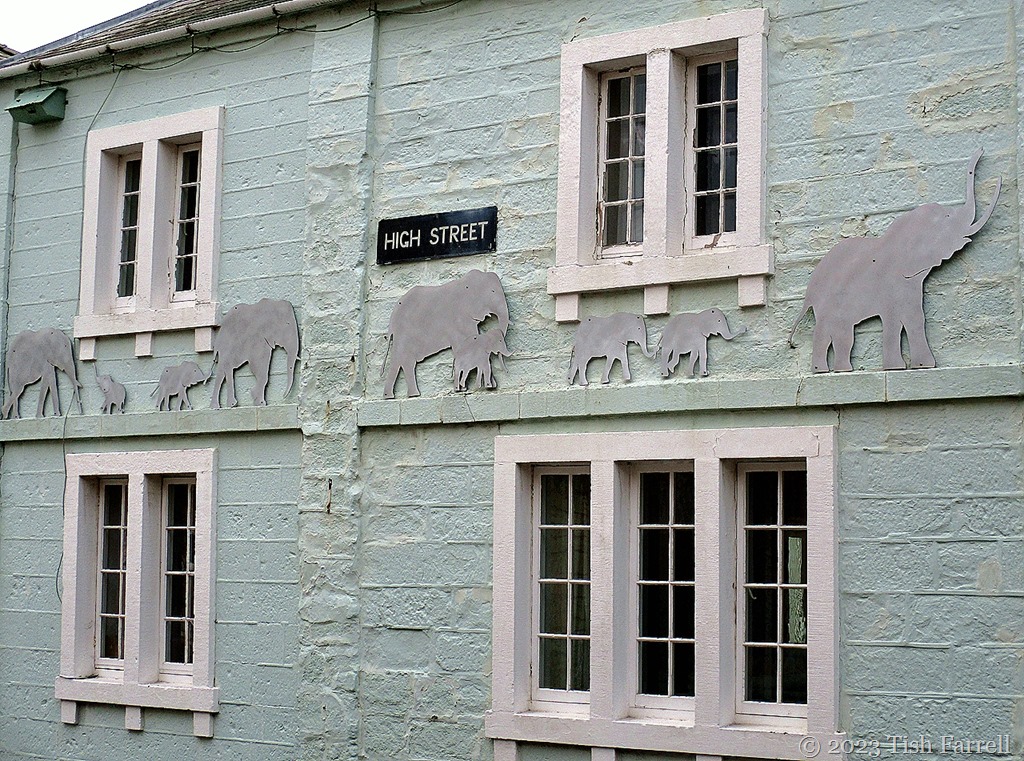
But half way down the hill we find a whole herd:

IMG_3658

IMG_3657

*

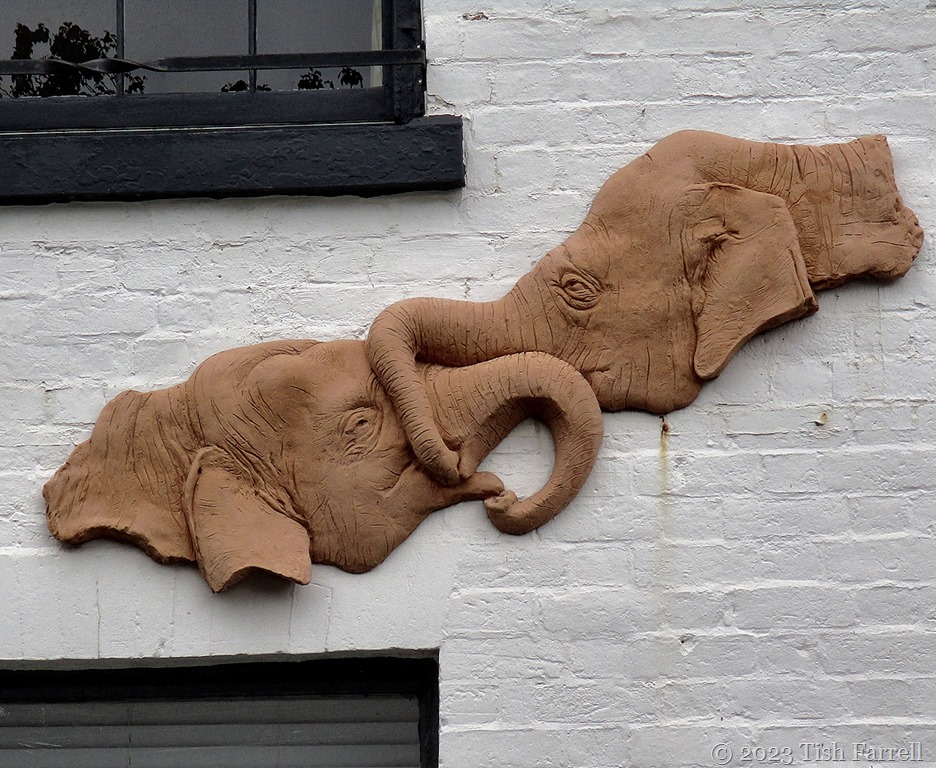
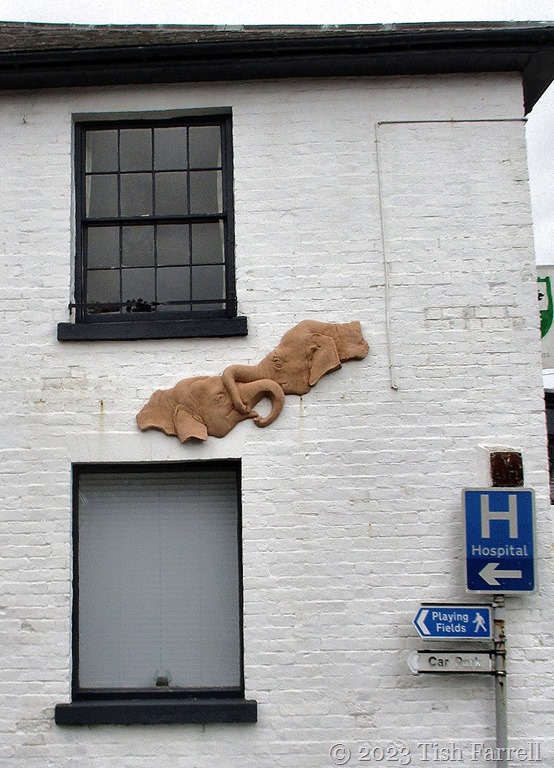
And on the corner with Union Street, our new-home road:

IMG_3668

IMG_3669

*

And why the elephants, you ask?

Well, there are two reasons.

1) In the 18th century, the rapacious Robert Clive aka Clive of India, returned to England with his haul of Subcontinental booty and became Member of Parliament for the rotten borough of Bishop’s Castle. Yes, he bought the votes, folks; married into the Earls of Powys dynasty and included an Indian elephant in his coat of arms (seen here at the top of the town)

P1050898

P1050899

*

2) Across the road from the coat of arms is the Castle Hotel. During World War 2 its stables were used to shelter a number of circus elephants, keeping them safe from bombing raids. When peace resumed and the elephants returned to their owners, it is said that one remained unclaimed and continued to be a familiar sight on the town’s byways.

The Elephant Gate House where the elephants lived has been refurbished and these days is a welcoming holiday retreat for humankind.

And now there’s an elephant I haven’t mentioned, but certainly featured in earlier blog posts on Bishop’s Castle. Please meet Clive, the mascot of the town’s Michaelmas Fair which is due to happen in two weeks time (I shall report back). Meanwhile here’s a photo of him from an earlier fair day:

100_7181ed

*

While I’m here, I’d like to thank all of you who wished us well with second house move since March. Those kind thoughts surely worked, and all went smoothly, and without the snowstorms of the first move. Though on the leaving day I was mightily caught out. Such is the fickleness of the human heart, but I felt more sad about leaving Broseley after a mere six months than ever I did about leaving Wenlock after sixteen years. Goodness! Where did that come from?

But then I probably do know. I fell in love with Broseley’s Jitties, the town’s meandering alleys and pathways that resonated with centuries of people history – of miners and iron workers, potters and clay pipe makers, water carriers and maypole dancers; and all discovered in a place I thought I knew.

It’s a lesson to carry onward. Don’t take things for granted. Look beyond the obvious. And I know very well that Bishop’s Castle has a myriad of tales to tell, from the ancient and antique to the quirkily new. It’s certainly home to many busily creating people.

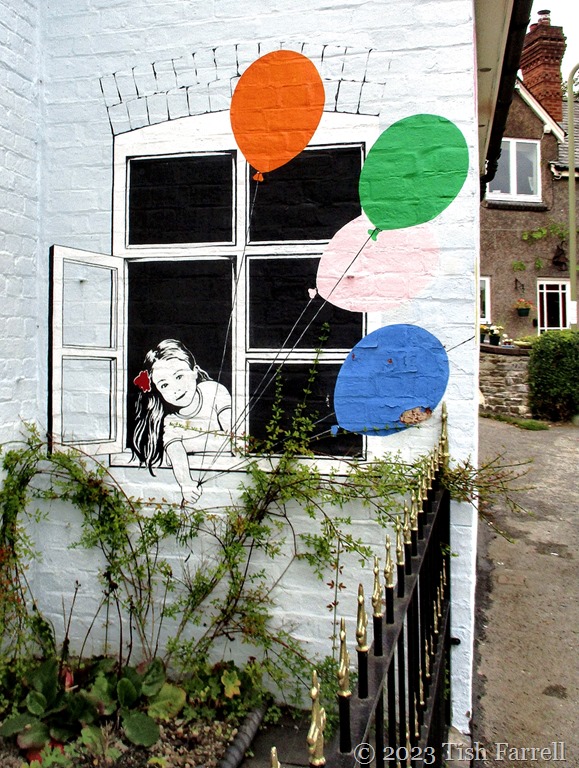
And on that note, here’s a cheery (elephant-free) artwork from the end of our road. You  can’t help but smile:

IMG_3670

*

PS: the header photo is the view from our bedroom window – if I stand on tiptoes.

Summer came back on Saturday and took us to the fair…


100_7330

…to the Bishop’s Castle Michaelmas Fair, to be precise. And not only did summer come back to us after a week of dreary coldness, it was warm, and bright and stayed ALL day.

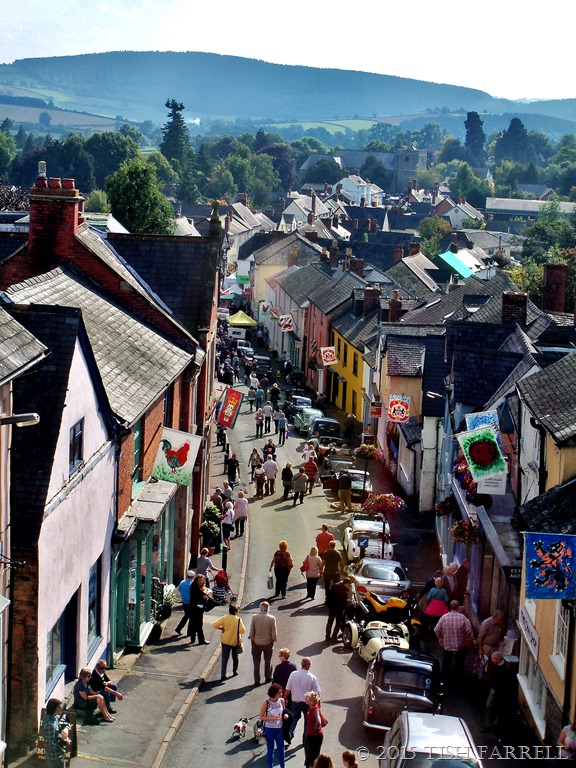
The fair was to be found in every quarter of the town, from St John the Baptist Church at the bottom of the hill to the Three Tuns Inn at the top of the hill, and with here-and-there enclaves in between.

100_7291

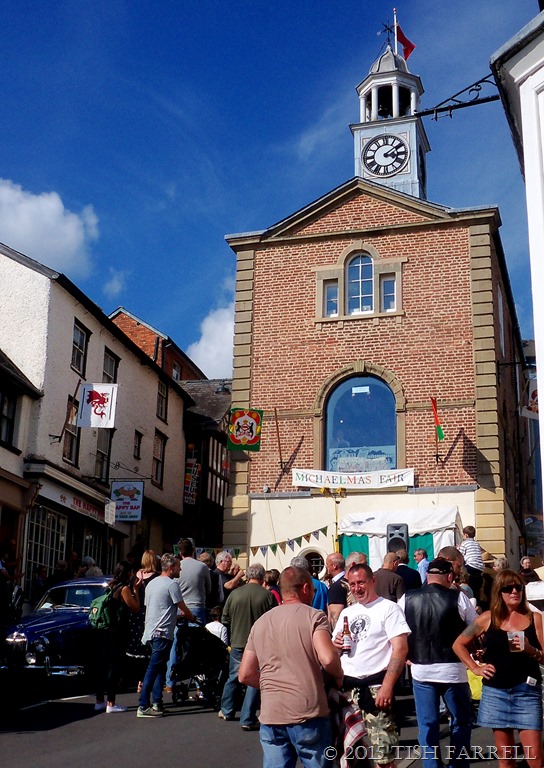
This shot of the High Street looking towards the church was taken from the window from the Town Hall. This handsome civic building (coming up next) has recently been refurbished and doubles up as the town’s market. This year it is celebrating its 250th  birthday…

100_7311

Wending on upwards past the Town Hall, and bearing to the right, you come to the Three Tuns Inn. It is one of Shropshire’s real ale treasures. They’ve been brewing beer there since 1642, so they must be doing something right. It’s apparently the oldest licensed brewery in Britain, but…

100_7274

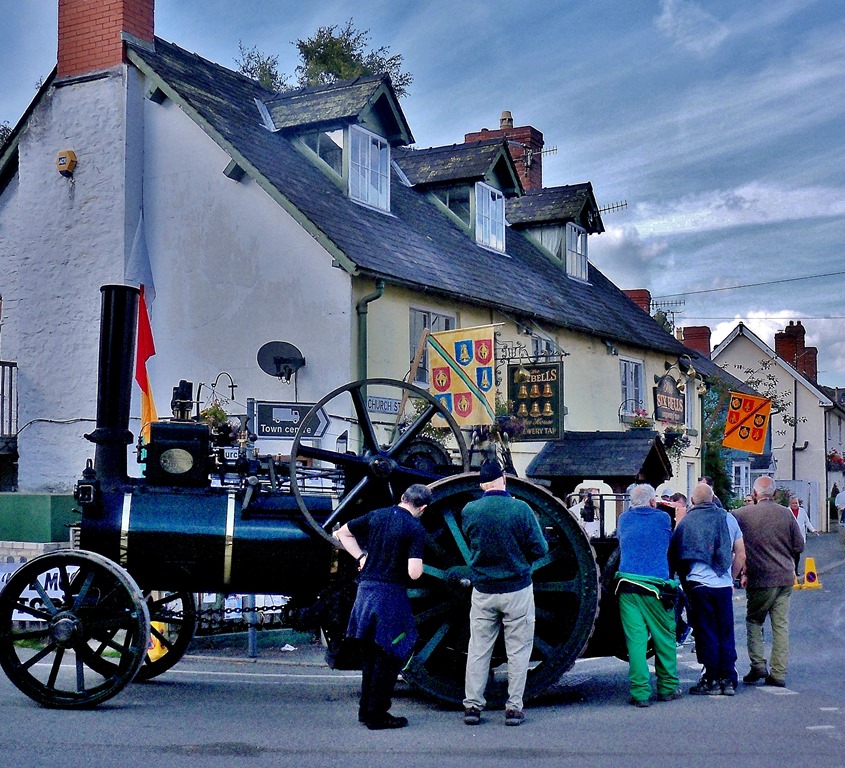
…it is not the only  micro-brewery in this small town. For those who don’t care to climb hills for a pint, you can sample the Six Bells’ Cloud Nine, a piece of real ale heaven, down on the corner of Church Street.

100_7351

A nice set of wheels, chaps?

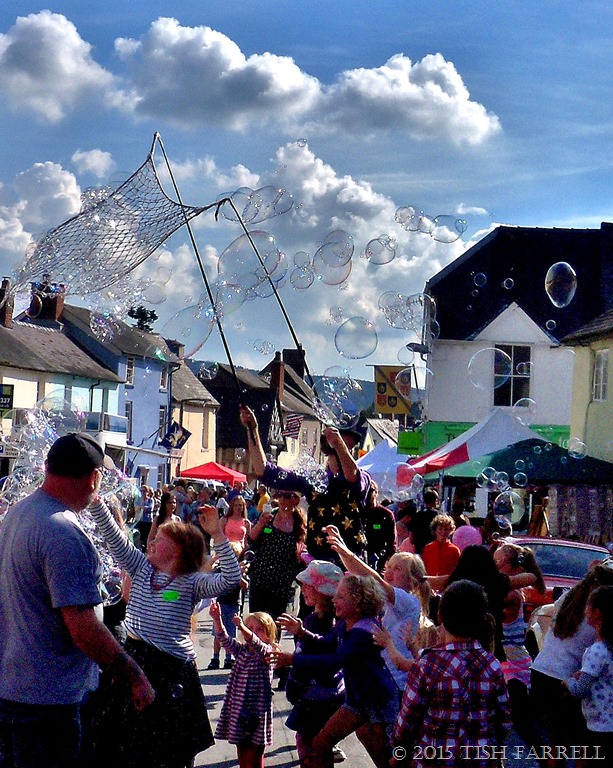
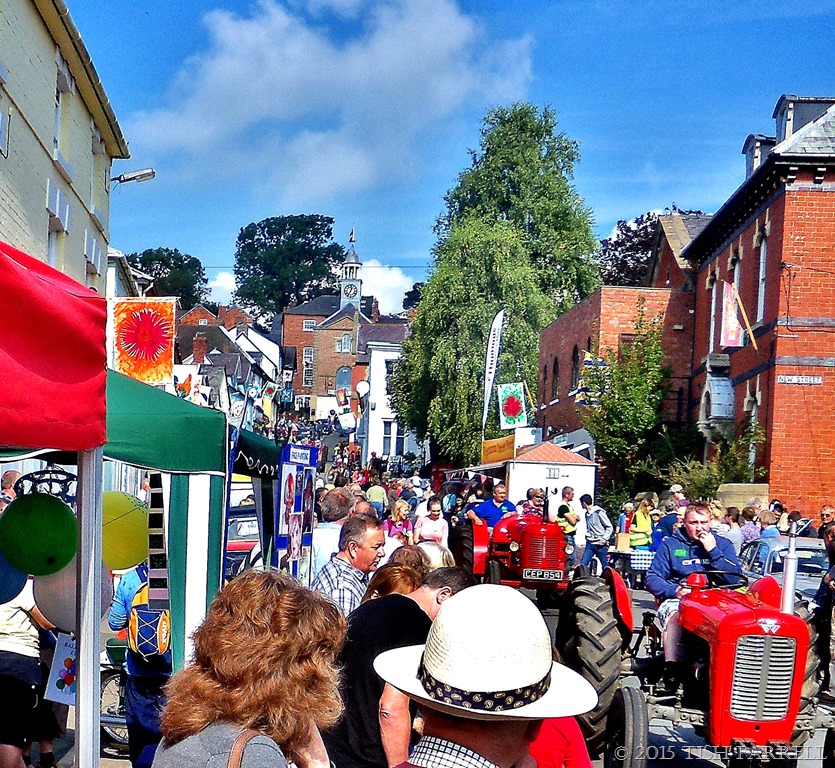
Which brings me to another big excitement of the day – the Michaelmas Fair Parade. Not only did we have beer, bubbles, folk songs, indie rock, ballads and wall to wall bonhomie, there were also classic cars, tractors, and steam powered vehicles. But before all that we had…

Oh ye, oh ye. Make way for the Bishop’s Castle Elephant…

100_7179

100_7181

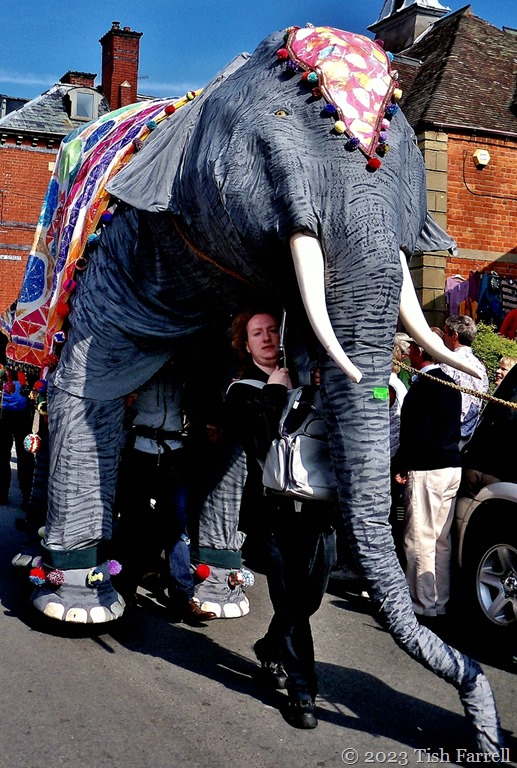
He’s called Clive, and was created by local maker, Bamber Hawes, with help from the town’s Community College students. Bishop’s Castle artist, Esther Thorpe designed Clive’s ‘skin’, and the primary school children did the printing. And if you want to know why Bishop’s Castle has an elephant on parade, I’ll explain later.

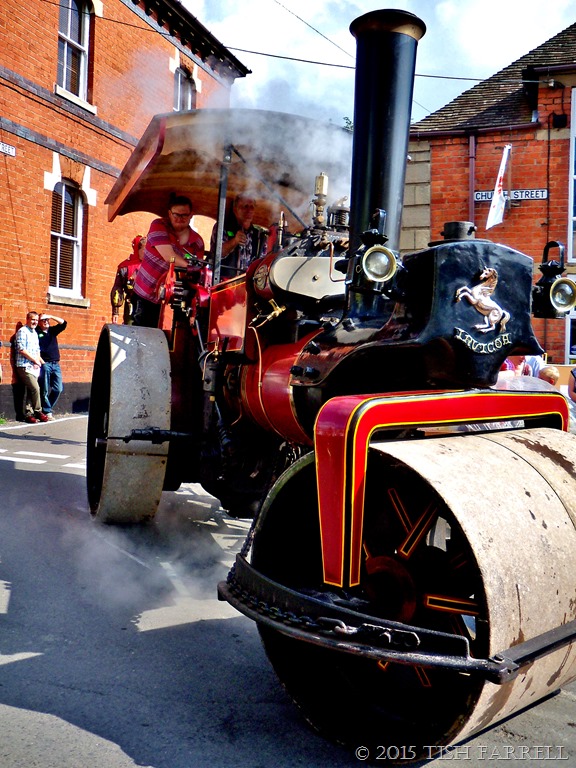
For now, watch your toes, here comes a huge steam roller…

100_7217

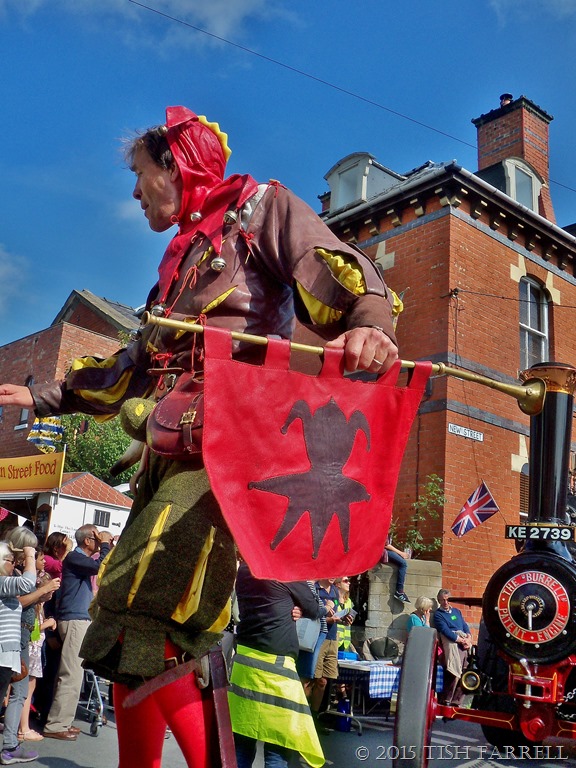
…and Peterkin the Fool on his stilts. He nearly trod on me…

100_7204

100_7205

…and then there were tractors (I remember when farmers had these)…

100_7190

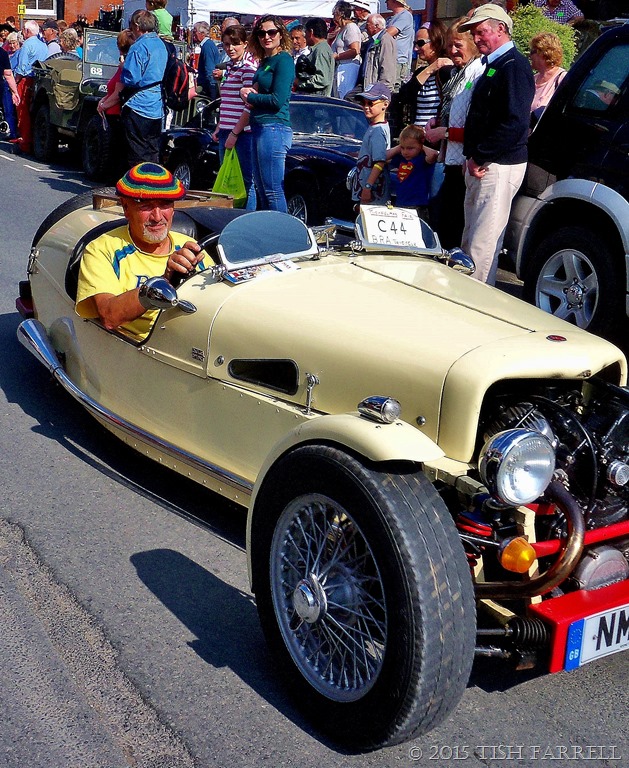
…and cool types in classic cars…

100_7195

Then there were owls to hold, alpacas with socks to sample, more bubbles from the world’s tallest bubbleologist. We were so excited we had to resort to the Church Barn for soothing tea and brownies. After all, no good English ‘do’ is complete without afternoon tea…

100_7358

And now as promised, a bit of a yarn about Clive the Elephant. It’s a tale of dirty dogs and political shenanigans of 250 years ago. These were the days when Bishop’s Castle was a notorious Rotten Borough. There were two Members of Parliament, and only 150 people with the right to vote. How people cast their vote was a matter of public record, and this meant voters could be intimidated into supporting particular candidates.

Enter Shropshire-born Robert Clive, aka First Baron Clive aka Clive of India.  He was on a mission to build political power, and had the money to buy it. He had used his position in the (also notorious) British East India Company not only to found the British Empire in India, but also to return from the Sub-Continent with shiploads of loot. He then set about buying votes for the  men he wished to have as MPs. As part of his scheme of self-aggrandizement he added an elephant to his coat arms. It symbolized India, and his personal power. Today, a stone carved version may still be seen in Bishop’s Castle’s old market place…

100_7269

The reason Clive wanted power was so he could set about reforming the East India Company, and get rid of corruption in the administration. This did not come to much. Pots and kettles come to mind here. He died at the age of 49. All sorts of allegations were made as to cause of death – that he stabbed himself, cut his throat with a penknife, died of an opium overdose. It seems he suffered from gallstones, and was using the drug to deaden the pain. A more recent interpretation of events concludes he died of a heart attack due to the over-use of opium.

However you look at it, this is not a good elephant story. Far more heartening is the fact that during World War 2, a circus elephant was looked after in the town, and  lived quietly in the stable of the Castle Hotel.

Finally a few more scenes of fun and jollification. I should also say that if I didn’t live in Much Wenlock, Bishop’s Castle would be the place I would most like to live – no longer a rotten borough, but a place bursting with community good spirits…

copyright 2015 Tish Farrell

Even though it was a Saturday, I’m linking this to Jo’s Monday Walk

Please visit her blog. There is no better place to be inspired to get out and about with your camera.